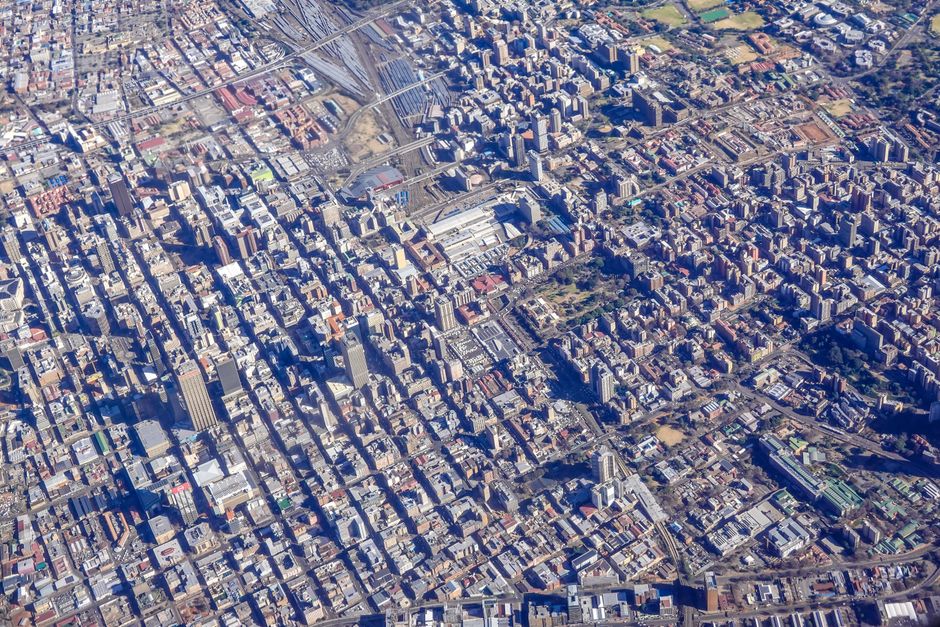
When the Braamfontein Community Centre reopened last month after an 18-month renovation, it marked far more than a fresh coat of paint and new facilities. For residents across this densely populated inner-city neighbourhood—home to nearly 40,000 people squeezed into less than 3 square kilometres—the restored venue on Commissioner Street has become a critical lifeline for social cohesion and neighbourhood safety.
"What we're seeing is a real reversal of the anonymity that characterises urban living," explains Thabo Mthembu, the centre's operations manager. "When neighbours don't know each other, trust breaks down. Crime thrives. Mental health suffers. This space is changing that dynamic."
The numbers tell the story. Since reopening, the centre has hosted over 1,200 residents across youth programmes, community meetings, and skills workshops. Attendance at monthly neighbourhood watch meetings has jumped from 23 to nearly 180 participants. Local crime reports in the immediate vicinity have declined by 31% over the past quarter, according to the Johannesburg Metropolitan Police Department's Braamfontein precinct data.
For young people in particular, the impact has been profound. The centre's after-school programmes now serve 340 teenagers daily, many from overcrowded residential units with limited recreational options. At R50 per month membership—subsidised for low-income families—it offers structured activities that keep youth engaged and connected to their community.
"Before, kids had nowhere to go. Now they have basketball, coding classes, drama groups," says Zandile Nkosi, a 17-year-old resident of nearby Hillbrow who uses the centre's digital literacy programme. "It's not just about having something to do. It's about feeling like you belong somewhere."
The centre's success reflects a broader shift in how Johannesburg's inner-city neighbourhoods are approaching urban renewal. Rather than top-down corporate development, community-led initiatives that prioritise social infrastructure—gathering spaces, youth facilities, local markets—are proving more sustainable and equitable.
The Braamfontein example carries lessons for other densely populated areas across Johannesburg facing similar challenges of fragmentation and disconnection. As the city grapples with rising urban density and the psychological costs of isolation, these neighbourhood anchors are demonstrating that investing in shared public space isn't a luxury—it's essential infrastructure for liveable, safer communities.
The centre's next phase will expand its Friday evening community markets, currently attracting 600+ visitors, to twice weekly. If the momentum continues, Braamfontein may yet become a model for how Johannesburg builds resilience, one neighbourhood at a time.
This article was compiled by AI from the sources linked above and screened before publishing. See our editorial standards.