How Johannesburg's Transport Crisis Led Us to Today's Infrastructure Overhaul
Decades of underinvestment and competing priorities have shaped the city's current push to rebuild its ageing networks.
Decades of underinvestment and competing priorities have shaped the city's current push to rebuild its ageing networks.
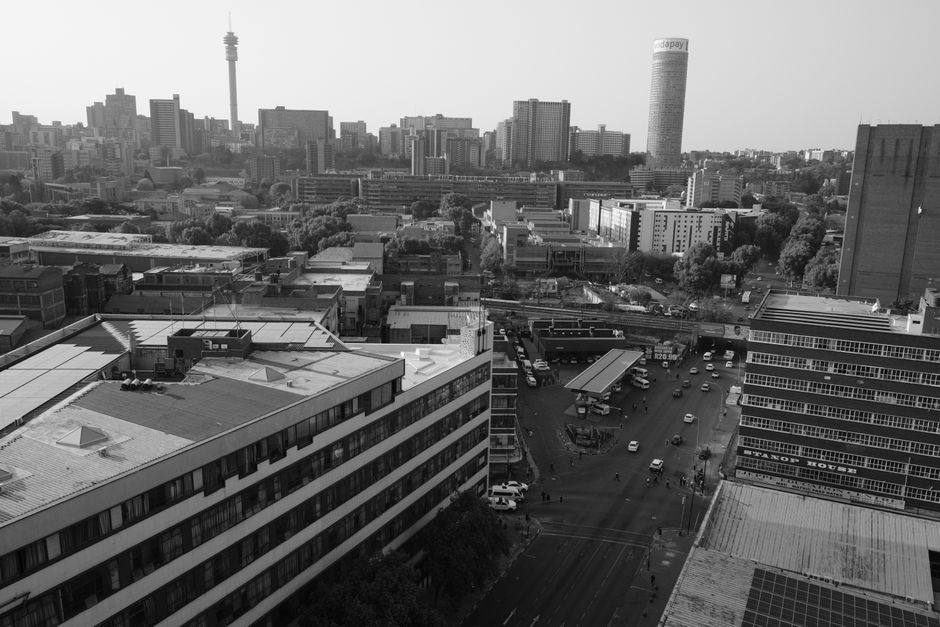
The pothole-riddled arterials around Braamfontein. The overcrowded Metrorail stations at Park Station. The gridlocked stretch of the N1 near Sandton during peak hours. These are not new problems in Johannesburg—they are symptoms of a transport infrastructure deficit that has accumulated over more than a generation.
The roots of today's infrastructure crisis run deep. Throughout the 1990s and early 2000s, the city's transport networks were starved of capital investment as municipal budgets prioritised other pressing demands. The Metrorail commuter rail system, which once moved hundreds of thousands of daily passengers between Johannesburg and its sprawling suburbs, fell into severe disrepair. By the early 2010s, reliability had plummeted, with delays and cancellations becoming routine for workers commuting from townships like Soweto and Alexandra to employment hubs in the CBD and northern suburbs.
Road infrastructure told a similar story. The M1 freeway, a critical spine connecting the city centre to Sandton's financial district, was designed for traffic volumes far lower than what it now carries. Maintenance backlogs compounded the problem. A 2019 audit of Johannesburg's road network revealed that over 40% of municipal roads were in poor or very poor condition, with repair costs estimated at billions of rand.
The Johannesburg Development Agency and the City of Johannesburg's Transport Department inherited these challenges when serious planning efforts resumed in the mid-2010s. Population growth—the city now exceeds 5.6 million residents across the metro area—meant demand was outpacing capacity faster than funds could address.
What shifted the conversation was recognition that sprawl was unsustainable. The distances between residential areas in the south and east, and employment centres in the north, meant commuters were spending upward of three hours daily in transit. Economic productivity suffered. Environmental costs mounted.
That context explains the current wave of projects now unfolding. The Gautrain expansion, the rehabilitation of key commuter rail corridors, and the accelerated bus rapid transit corridors targeting routes through Soweto and the East Rand—none of these emerged in isolation. They are responses to infrastructure gaps that became impossible to ignore.
The question now facing city planners is whether investment levels will finally match the scale of need. Recent budget allocations suggest renewed commitment, but transport experts caution that sustained funding over the next decade will be essential. Johannesburg's transport future, in many ways, was shaped by the choices—and constraints—of the past.
This article was compiled by AI from the sources linked above and screened before publishing. See our editorial standards.
How does this story make you feel?
Spread the word
About this article
Published by The Daily Johannesburg
Daily brief
Free, in your inbox before 7am. Weekdays.
More in News