The morning commute on the M1 highway has become a ritual of frustration. Every weekday, hundreds of thousands of Johannesburg residents crawl between Sandton and the CBD, burning fuel and time in a city that has long punted its transportation problems down the road. But the breaking point came not with a single traffic jam, but with years of compounding failure: ageing rail networks, inadequate bus rapid transit corridors, and a sprawling metropolitan area that has outpaced every infrastructure plan thrown at it since 1994.
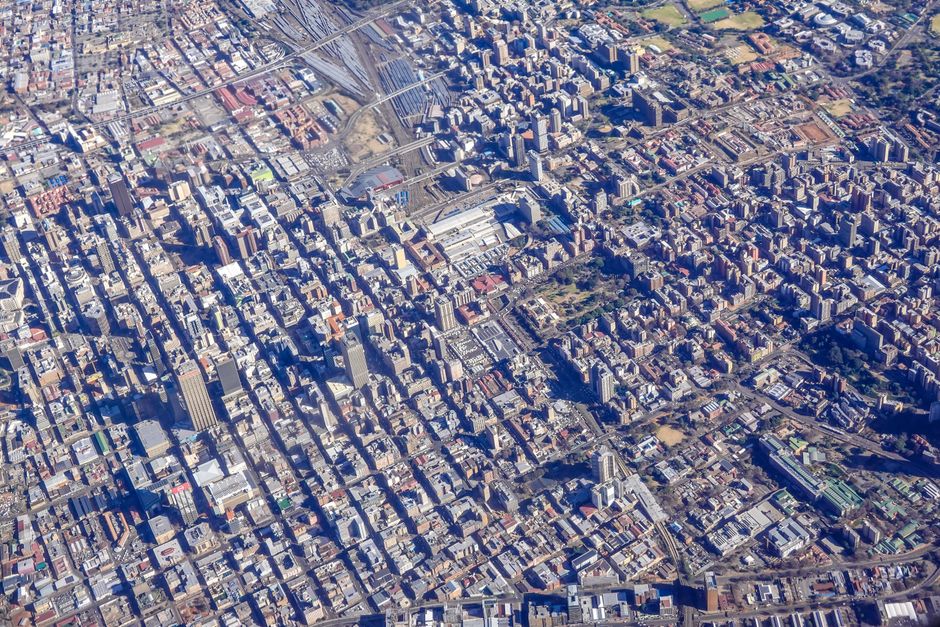
For decades, Johannesburg's growth seemed inevitable but unplanned. The city's population swelled from roughly 1.9 million in the early 2000s to over 4 million today, yet the transport networks were designed for a fraction of that number. The Metrorail system, once the backbone of worker mobility, deteriorated through chronic underinvestment. Commuter complaints about delayed trains became so routine they barely made headlines. Meanwhile, minibus taxis—informal but essential—filled the void, creating their own congestion patterns across corridors like the Witkoppen Road axis and into Soweto.
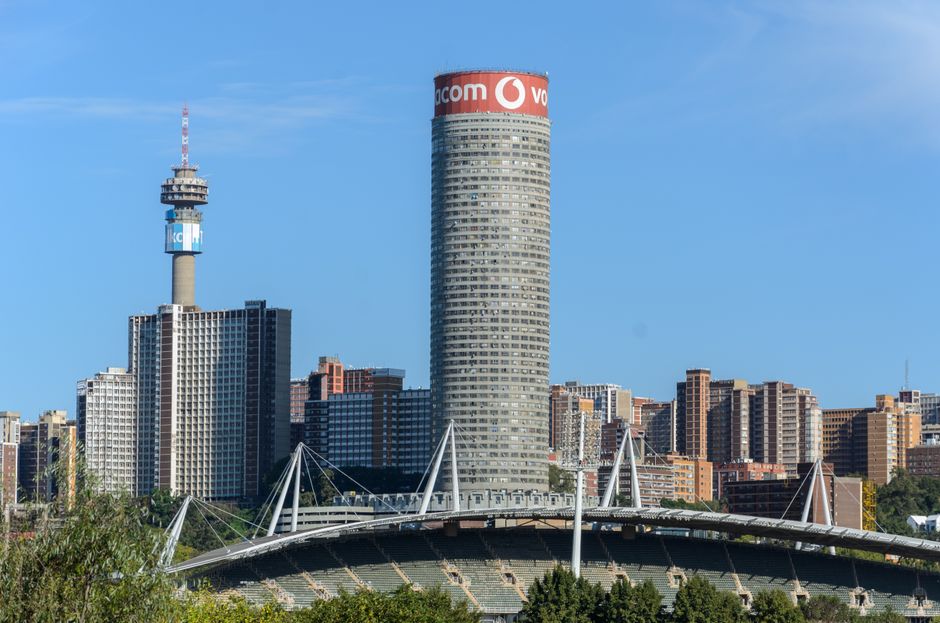
The economic costs mounted silently. Productivity losses from time spent in traffic, the wear on vehicles, the pollution drifting over neighbourhoods like Hillbrow and Berea—these externalities were rarely tallied in official reports, but they were felt daily. A 2023 survey suggested the average Johannesburg commuter lost 87 minutes per day to traffic, effectively costing the metropolitan economy billions annually.
Then came the reckoning. Persistent service delivery failures, combined with pressure from business chambers and civil society organisations like the Johannesburg Development Agency, forced the hand of city planners. The Gauteng government and the City of Johannesburg reluctantly acknowledged what residents already knew: incremental fixes would not work. The sprawling geography from Midrand to Soweto demanded something comprehensive.
This recognition catalysed a new generation of projects. The expansion of the Rea Vaya bus system, originally piloted on Oxford Road in Rosebank over a decade ago, became a template for rapid transit corridors. Discussions about rail modernisation intensified. Talk of a new ring road, pedestrian infrastructure improvements in areas like the Braamfontein precinct, and even speculative plans for light rail gained traction in planning chambers and development forums.
What changed wasn't infrastructure itself—not yet. It was the acknowledgement that Johannesburg had reached a tipping point where avoidance was no longer viable. The question now is whether these ambitions will translate into delivery before the city's arteries clog beyond repair.
This article was compiled by AI from the sources linked above and screened before publishing. See our editorial standards.