How Johannesburg Became a Global Crossroads: Tracing the City's Migration Story
From colonial mining boom to post-apartheid haven, the roots of our city's multicultural character run deeper than most realise.
From colonial mining boom to post-apartheid haven, the roots of our city's multicultural character run deeper than most realise.
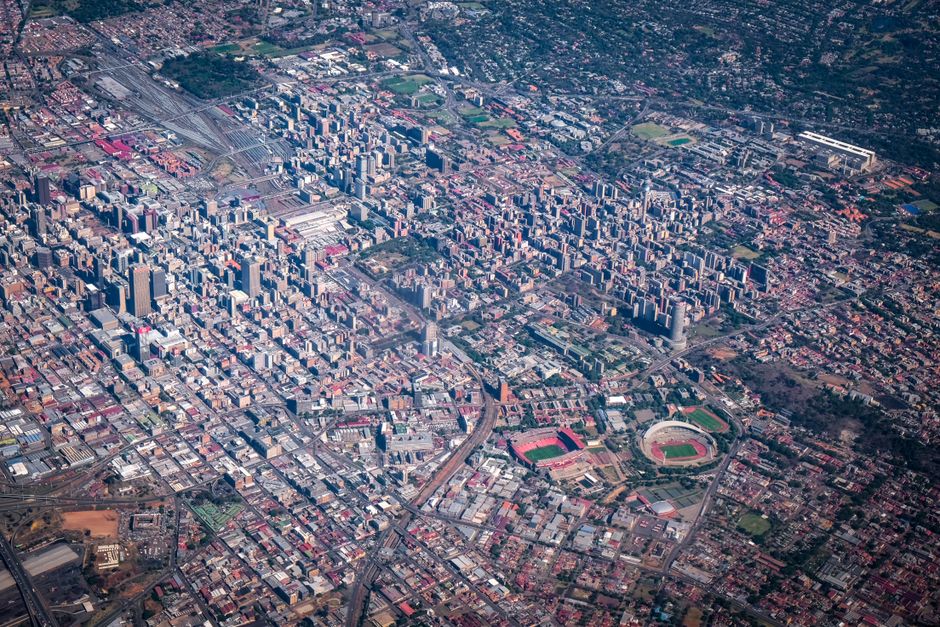
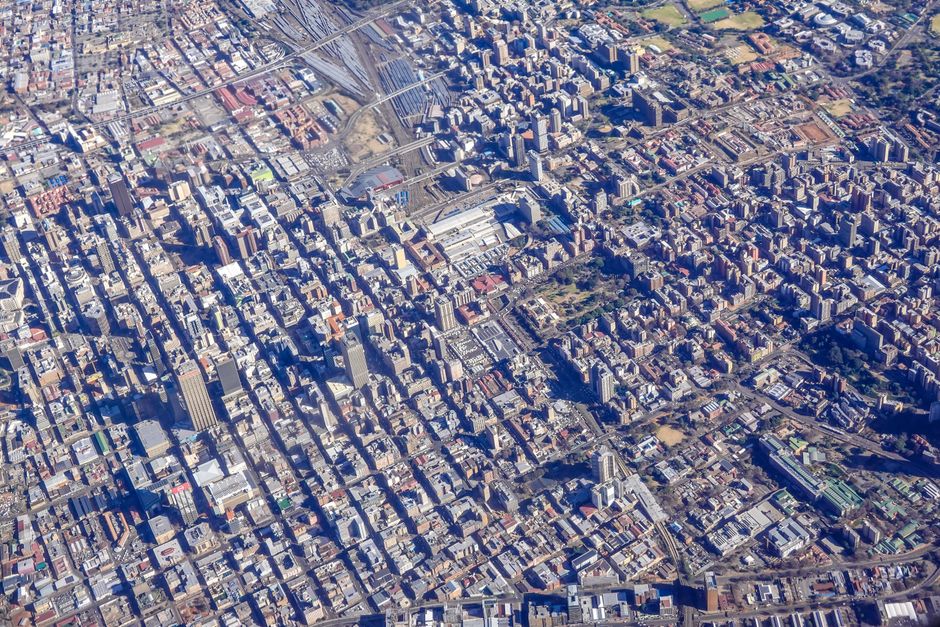
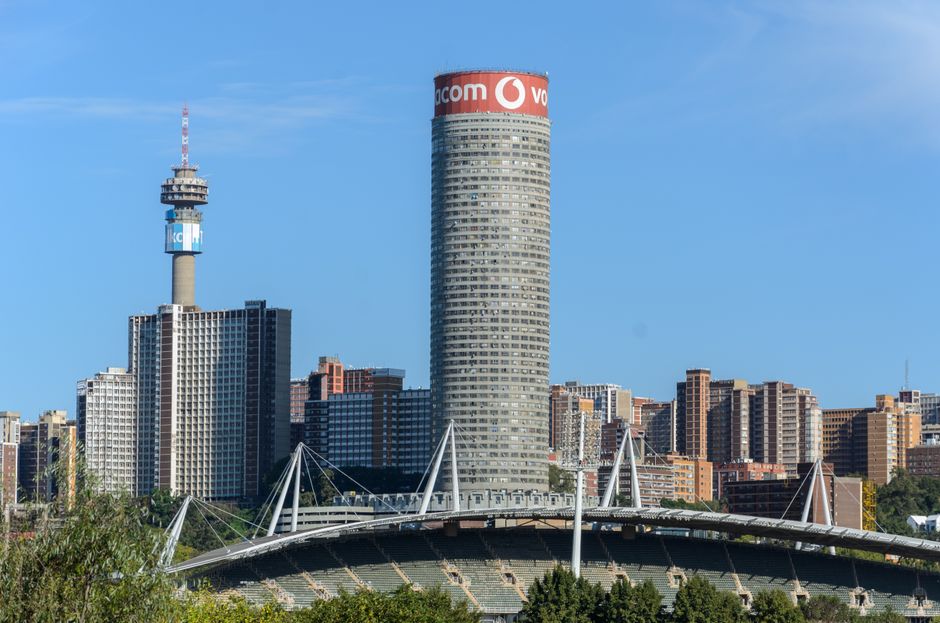
Walk through the Johannesburg CBD on any given weekday, and you'll encounter a living map of human migration. Mandarin whispers in Marshalltown's textile warehouses blend with Portuguese spoken in the cafés of Newtown. Somali entrepreneurs run thriving businesses along Bree Street, while Pakistani restaurants cluster near the Braamfontein precinct. This snapshot of contemporary multicultural Johannesburg didn't emerge overnight—it's the product of over a century of economic forces, geopolitical upheaval, and human aspiration.
The foundation was laid during the gold rush of the 1880s, when the discovery of the Witwatersrand drew fortune-seekers from across Europe and beyond. By 1895, Johannesburg had ballooned from a mining camp to a city of 100,000 people. This initial wave of migration established what historians call our city's "economic magnet" status—a role that would persist through the apartheid era and beyond, despite brutal restrictions on movement and residency.
The post-1994 transformation accelerated everything. With borders opening and Johannesburg reintegrating into the global economy, new migration patterns emerged rapidly. According to data from the Gauteng Tourism Authority, by 2015 roughly 3.5 million foreign nationals resided in South Africa, with a significant concentration in Johannesburg. Many settled in traditionally mixed neighbourhoods: Hillbrow and Berea became hubs for Zimbabwean, Nigerian, and Congolese communities. Areas like Observatory and Yeoville followed similar trajectories.
Economic necessity has been the primary driver. The manufacturing collapse in traditional Western economies, combined with conflict and economic stagnation in parts of Africa, the Middle East, and South Asia, created push factors that aligned with Johannesburg's pull as Africa's wealthiest city. A 2023 audit by the Johannesburg Chamber of Commerce noted that foreign-owned enterprises comprised roughly 18% of the city's informal and formal commercial sector.
Yet this story is not merely statistical. It's embedded in the fabric of our neighbourhoods. The opening of the Johannesburg Development Agency's regeneration projects in Newtown and the CBD acknowledged—however imperfectly—that multicultural communities were reshaping our urban landscape. Local organisations like the African Centre for Cities and the Wits School of Governance have documented how migration flows respond to everything from xenophobic violence to job availability to education opportunities.
Today, as geopolitical tensions reshape global migration patterns—from Venezuela to the Congo to the Middle East—Johannesburg's immigrant communities watch carefully. Many are second-generation residents now, rooted here. Understanding how we arrived at this multicultural moment is essential to imagining where we go next.
This article was compiled by AI from the sources linked above and screened before publishing. See our editorial standards.
How does this story make you feel?
Spread the word
About this article
Published by The Daily Johannesburg
Daily brief
Free, in your inbox before 7am. Weekdays.
More in News