Where Johannesburg Actually Shops: Tips and Honest Recommendations from Locals Who Live It Daily
Skip the tourist traps—here's what real Joburgers know about finding quality, value, and genuine character in the city's most authentic retail pockets.
Skip the tourist traps—here's what real Joburgers know about finding quality, value, and genuine character in the city's most authentic retail pockets.
Johannesburg's retail landscape tells a story that glossy mall brochures never capture. While Sandton City and The Shops at Westcliff dominate the luxury narrative, the city's most savvy shoppers navigate a far more nuanced terrain—one built on neighbourhood knowledge, word-of-mouth trust, and an understanding of where real value lives.
The revival of Braamfontein has redrawn the shopping map for young professionals. Nelson Mandela Square may grab headlines, but locals working in the precinct consistently point to the independent boutiques and concept stores tucked along Fox Street as genuine discoveries. A coffee roastery doubling as a design studio, a vintage furniture dealer with architectural integrity—these are the spaces that define the neighbourhood's identity rather than replicate it.
For those seeking practical, everyday finds without the mall experience, the Johannesburg CBD's textile district remains an insider's secret. Dealers along Bree and Commissioner Streets offer bulk fabric, trimmings, and haberdashery at prices that make sense for makers and home decorators alike. It requires navigation skills and comfort with negotiation, but locals who've invested the effort speak of it as essential infrastructure rather than alternative shopping.
Parkhurst continues its evolution as a neighbourhood retail destination where independent retailers have genuine staying power. Unlike franchise-heavy corridors, the area's mixture of family-run clothing stores, bookshops, and home goods venues creates genuine variety. Locals cite the consistency and personal service as the real appeal—shop owners who remember customers, who curate thoughtfully, and who've built something beyond transaction.
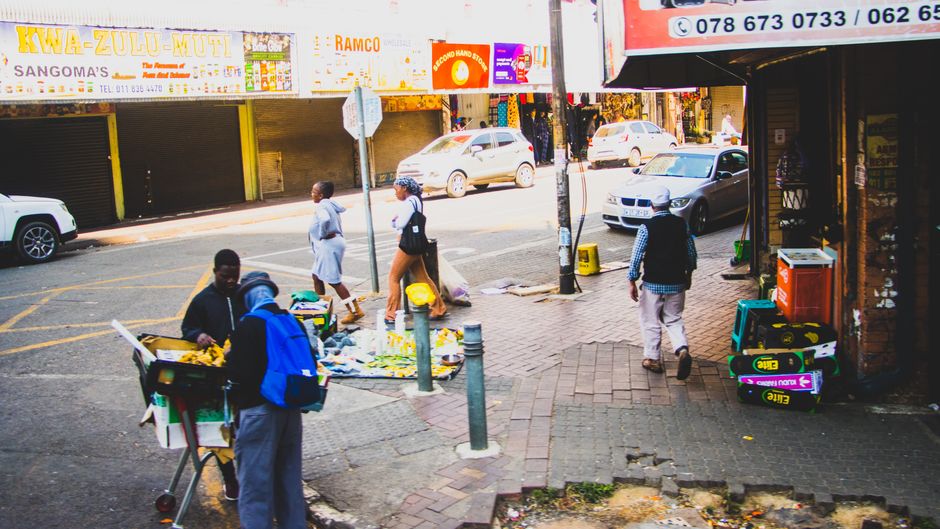
The informal trading sector demands its own literacy. Markets in Alexandra, Soweto, and around Mary Fitzgerald Square in Newtown operate on different economics entirely—lower overhead means genuinely competitive pricing on everything from clothing to homeware. Regulars emphasize timing (early mornings for freshest stock) and knowing the difference between informal traders who've built reputations and one-off operators.
For honest perspective, locals consistently mention two realities: online platforms have fundamentally shifted retail behaviour, with many reserving physical shopping for items requiring touch, fit, or visual assessment; and the cost-of-living crisis has made value-consciousness fundamental rather than optional. The shops thriving now are those offering genuine quality-to-price ratios, not just discounts.
The city's most reliable shopping wisdom comes from lived experience: shop where you live, develop relationships with retailers who know their craft, and understand that authenticity in Johannesburg's retail landscape correlates directly with independence rather than brand prominence.
This article was compiled by AI from the sources linked above and screened before publishing. See our editorial standards.
How does this story make you feel?
Spread the word
About this article
Published by The Daily Johannesburg
Daily brief
Free, in your inbox before 7am. Weekdays.
More in lifestyle