The Daily Commute: How Ordinary Johannesburgers Turn Transit into Connection
From the Gautrain platforms to minibus taxis on Louis Botha Avenue, the city's transport networks are where strangers become regulars, and routine becomes community.
From the Gautrain platforms to minibus taxis on Louis Botha Avenue, the city's transport networks are where strangers become regulars, and routine becomes community.
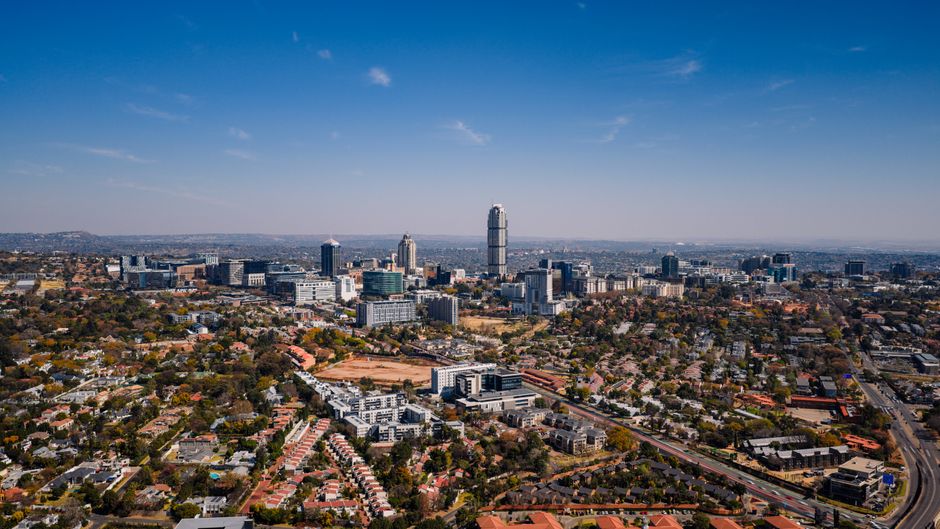
Every weekday morning, Johannesburg's arterial routes pulse with millions of micro-stories. On the Gautrain platforms at Sandton Station, a banker in pressed navy beside a nursing student in scrubs. Along the M1 highway, taxi drivers navigate traffic with the precision of chess masters. In Soweto's streets, school children board shared rides that cost R4.50 and deliver them across township routes mapped by decades of intimate local knowledge.
The city's transport ecosystem—sprawling, chaotic, essential—reveals itself most authentically through the people who depend on it daily. Not the occasional traveller, but the regular commuters whose lives are stitched into departure times and familiar routes.
Take the minibus taxi network, still moving an estimated 65% of the city's working population despite modernisation efforts. These aren't merely vehicles; they're mobile community centres. Drivers remember regulars by face. Passengers exchange news, warnings about traffic delays, recommendations for nearby clinics or job opportunities. The R12 to R15 daily cost puts them within reach of workers earning survival wages, making them democratically essential infrastructure in a city where formal transport options remain expensive.
The Gautrain, by contrast, serves a different demographic—though increasingly diverse. At R27.60 for a standard daily fare, it attracts office workers, university students, medical professionals commuting to Sandton and Rosebank. The train's air-conditioned cars and predictable scheduling offer something the taxi network cannot: time. Time to read, to sleep, to scroll through phone notifications without dodging potholes.
Then there's the personal vehicle culture—the cyclists threading through Bryanston traffic, the Uber drivers (over 40,000 registered across Johannesburg), the motorcycle couriers weaving between lanes on the N1 toward the CBD. Each represents a different calculation of speed, cost, flexibility, and risk.
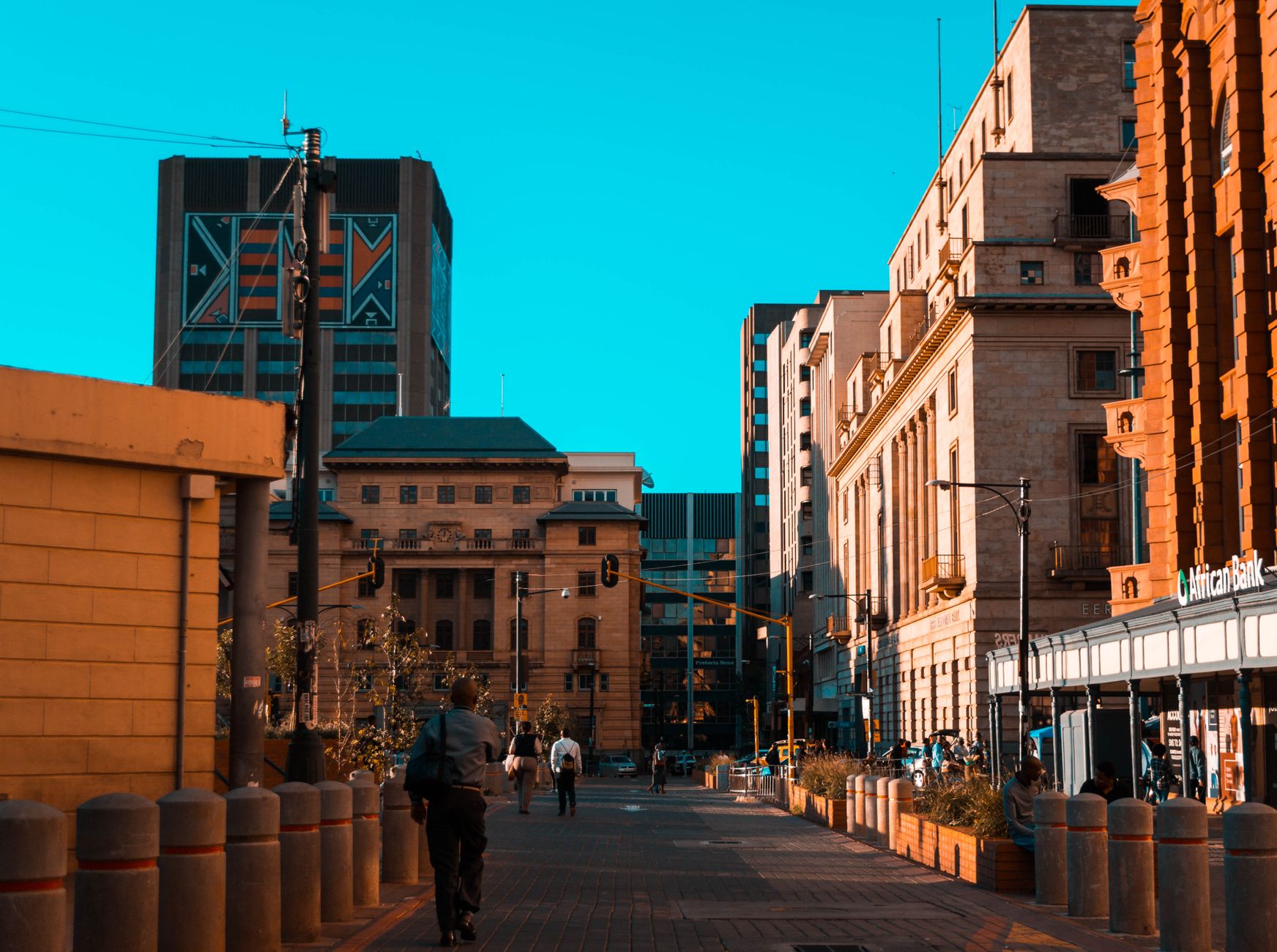
What binds these disparate commuting worlds together is adaptation. Johannesburgers have perfected the art of getting somewhere in a city where infrastructure remains unequal, where getting from Roodepoort to Sandton can be an hour's odyssey, and where weather, protests, or accidents can unravel any schedule.
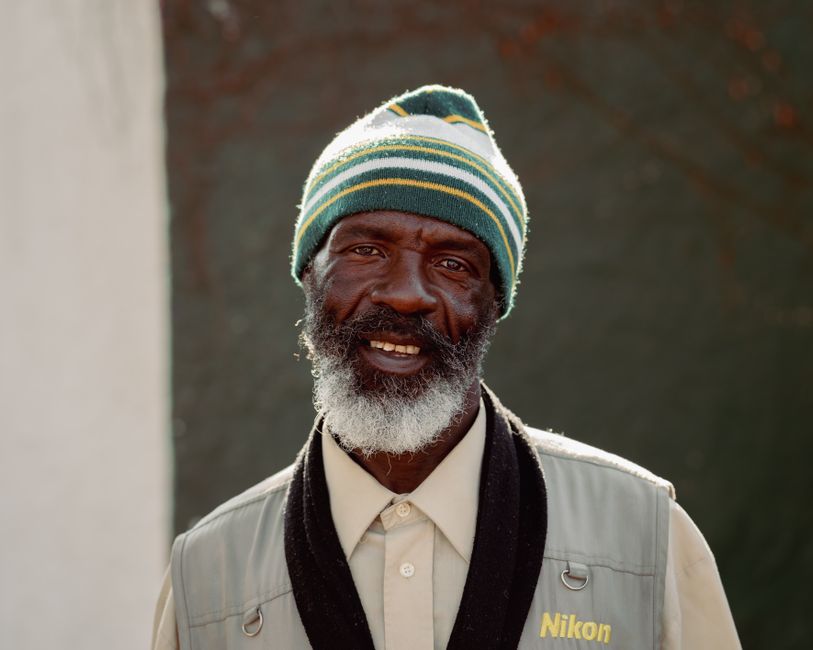
The real story isn't in transport policy or vehicle statistics—it's in the faces on those trains and taxis, the drivers who know their routes intimately, the passengers who've built friendships through shared journeys. It's a city constantly on the move, its soul visible in transit.
This article was compiled by AI from the sources linked above and screened before publishing. See our editorial standards.
How does this story make you feel?
Spread the word
About this article
Published by The Daily Johannesburg
Daily brief
Free, in your inbox before 7am. Weekdays.
More in lifestyle