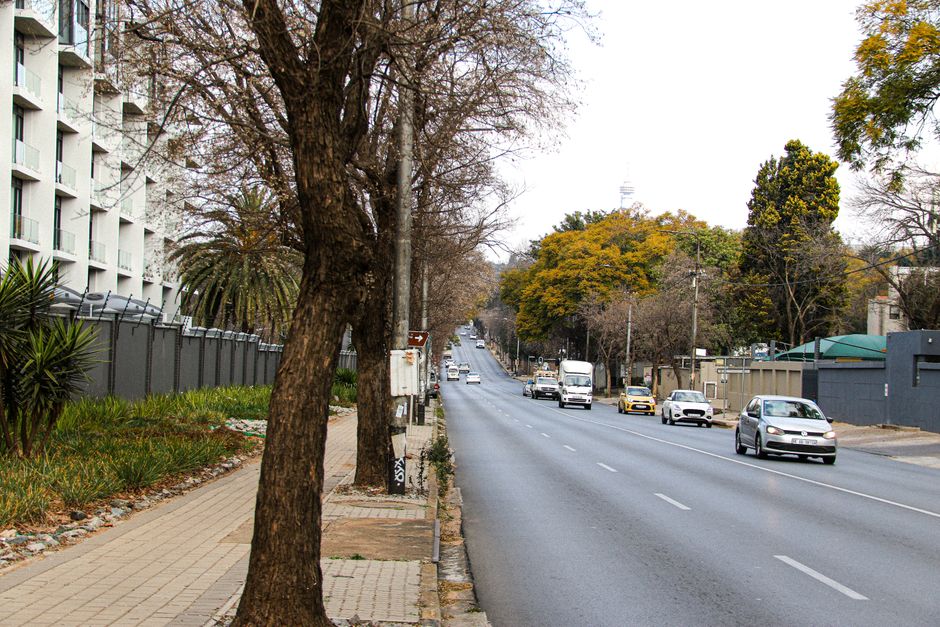
Walk through Delta Park on a Saturday morning in 2026, and you'll notice something markedly different from five years ago. Where joggers once circled a tired loop, there are now designated meditation zones, outdoor fitness classes, and indigenous plant gardens. The transformation reflects a broader shift across Johannesburg's park system—one driven by community demand for spaces that do more than simply exist between buildings.
The evolution is most visible in established inner-city neighbourhoods. Emmarentia Dam, long a weekend escape for the wealthy northern suburbs, now hosts monthly community clean-ups and educational programmes about water conservation. Similarly, Zoo Lake has expanded its recreational offerings beyond picnicking, introducing pop-up markets and wellness sessions that draw diverse crowds. These aren't cosmetic changes; they represent a fundamental rethinking of how the city's 2.4 million residents use public space.
"Urban parks have become lifestyle destinations, not afterthoughts," explains the shift happening across suburbs like Melville, where smaller pocket parks are appearing on previously vacant lots. The Johannesburg Parks and Recreation team has invested in improved maintenance budgets—a necessary response after years of underinvestment left many spaces neglected and unsafe. Entry fees for premium park facilities, typically ranging from R35 to R80 per visit, now fund enhanced security and amenities.
The trend isn't limited to wealthy areas. In Soweto, community groups have revitalised spaces like Naledi Park, transforming them into hubs for youth sports programmes and neighbourhood gatherings. These grassroots initiatives reveal what residents actually want: accessible, safe, well-maintained spaces for movement, connection, and respite from urban density.
Technology is playing a quiet role too. QR codes at park entrances now link to exercise route maps and event calendars. Some spaces offer free WiFi, recognising that "outdoor living" for modern Johannesburg includes staying digitally connected.
The challenge remains uneven. While northern suburbs enjoy abundant green infrastructure, peripheral areas still struggle with resource allocation. Yet the momentum is undeniable. Johannesburg's parks are no longer simply landscaping—they're becoming essential infrastructure for a city reckoning with mental health pressures, pollution, and the human need for nature.
As we head into winter, expect to see even more innovation: winter wellness markets, outdoor film screenings, and expanded community gardens. The concrete jungle isn't disappearing, but it's finally learning to breathe.
This article was compiled by AI from the sources linked above and screened before publishing. See our editorial standards.