Five years ago, the conversation around parenting in Sandton rarely ventured beyond private school rankings and property values. Today, parents in the northern suburb are increasingly questioning the very infrastructure they once considered non-negotiable, spawning a quiet revolution in how families approach education, community and childhood itself.
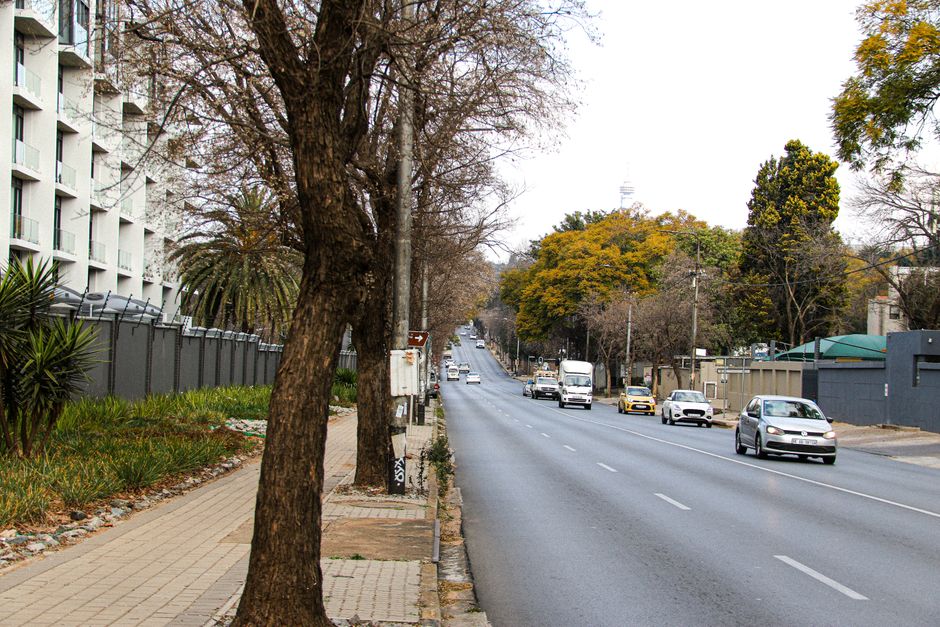
The shift is most visible along the tree-lined streets of Gallo Manor and around Sandton Central, where homeschooling co-ops have proliferated from virtually none to at least seven established networks. Parents cite rising school fees—averaging R180,000 to R250,000 annually at top independent schools—alongside a growing appetite for personalised, values-driven education. "We're seeing families actively choose flexibility over prestige," says one education coordinator at a recently established learning collective near Jan Smuts Avenue, though the exact details remain deliberately low-key in these tight-knit groups.
The physical landscape is shifting too. Spaces like the revitalised Wanderers area and pockets of Illovo have become unexpected incubators for child-focused enterprises: boutique play studios, sustainable craft workshops, and wellness centres catering specifically to young families now occupy real estate once reserved exclusively for corporate offices. Monthly family markets on Sandton Drive showcase this evolution, drawing hundreds of parents seeking organic produce, ethical toys, and community connection—a far cry from the neighbourhood's image as purely transactional and work-obsessed.
What's driving this change? Partly, it's economic—the middle-class squeeze is real, and families are redistributing resources. But there's also a philosophical reckoning. Parents increasingly question whether Johannesburg's traditional independent school model genuinely serves their children's wellbeing or simply perpetuates generational hierarchies. School closures during recent global disruptions accelerated this thinking, proving that learning could happen elsewhere.
The shift isn't uniform. Established institutions like St John's College and Lakeside continue thriving, their enrolments stable. Rather, what's emerging is plurality—parents now weigh options their predecessors never considered. Some choose hybrid models, combining online curricula with in-person community learning. Others lean into Montessori and Waldorf methodologies, or craft bespoke programmes aligned with specific values.
Local organisations like the Johannesburg Child Welfare Society report upticks in inquiries about alternative education frameworks, though comprehensive data remains fragmented. What's undeniable is the mood: Sandton families are no longer simply accepting established pathways. They're asking harder questions about what childhood and learning should look like in 2026.
For a neighbourhood long defined by its conformity, it's an unexpectedly progressive development.
This article was compiled by AI from the sources linked above and screened before publishing. See our editorial standards.