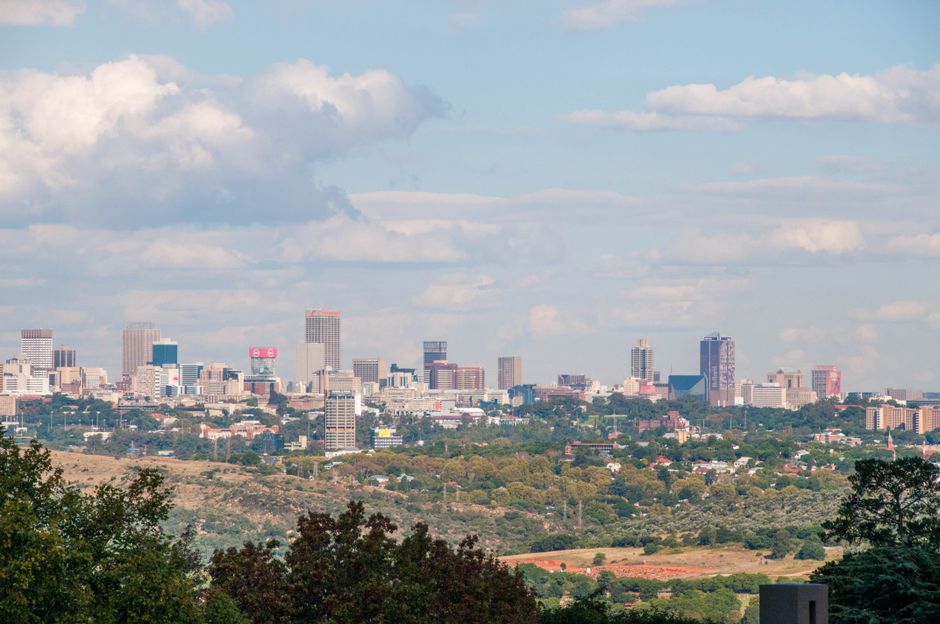
On any given Friday night, Braamfontein pulses with the kind of energy that has made Johannesburg's bar scene the envy of the continent. But walk past the neon signs and craft cocktail menus, and you'll discover something far more compelling than Instagram-worthy venues: the people who've quietly built this ecosystem from the ground up.
Over the past five years, neighbourhood spots like those clustered around Fox Street and Kudu Street have shifted from empty warehouse spaces into thriving social hubs, driven almost entirely by passionate individuals willing to take risks. These aren't corporate chains—they're labour-intensive ventures requiring vision and grit. The average craft cocktail bar in the Johannesburg metropolitan area now serves around 300-400 customers weekly, with owners reporting that 60% of their revenue comes from regular customers who've become part of their extended family.
Consider the microcosm of Maboneng's precinct, where venue operators have created something genuinely rare: spaces where artists, professionals, tourists and township residents genuinely mix. Live music programming has become the connective tissue—venues now host upwards of 15 live acts per week across the neighbourhood, drawing musicians who've chosen to base themselves here rather than relocate to Cape Town or London.
What makes Johannesburg different isn't just the variety—it's the accessibility. A cocktail in Sandton may set you back R180-220, while similar quality drinks in Braamfontein hover around R110-150. This democratic pricing has democratised the scene itself. You'll find investment bankers queuing alongside graduate students, creatives alongside corporate workers, all rubbing shoulders at bars where entry costs nothing and the atmosphere rewards authenticity over posturing.
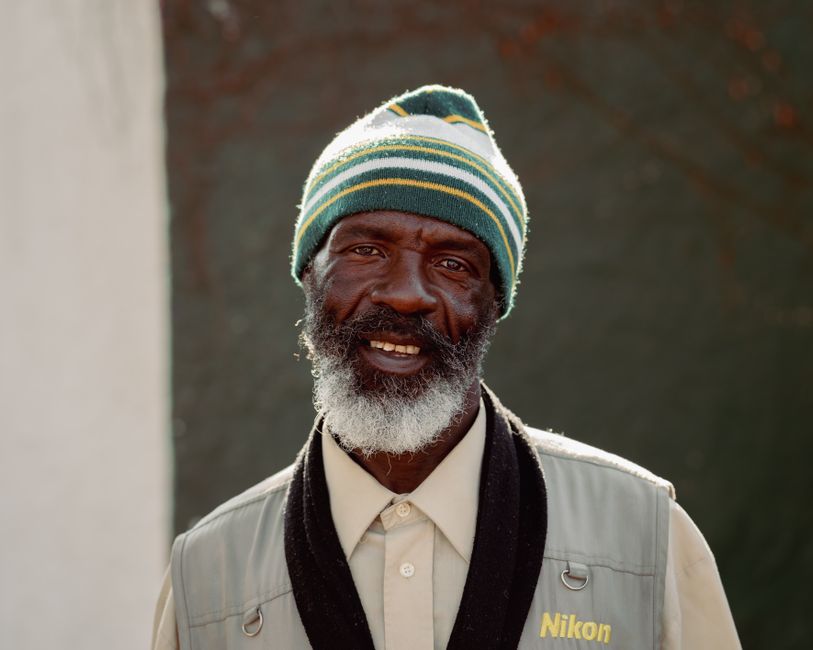
The human infrastructure is equally crucial. Bar managers, many of whom've been in hospitality for 15+ years, function as unofficial community leaders—they know regulars' names, their stories, their preferred drinks. Bartenders have become de facto counsellors, confidants and connectors. Musicians rotating through venues have built sustainable income streams while maintaining artistic integrity. Door staff aren't just security; they're gatekeepers of culture who understand that a great night hinges on who walks through the door.
This ecosystem remains fragile. Rising electricity costs, security concerns and the lingering effects of economic uncertainty continue to challenge venues. Yet what keeps this scene resilient isn't venture capital or marketing budgets—it's the constellation of individual choices made by people who believe Johannesburg's nights matter. People who've decided to stay, to invest, to build community in the darkness.
That's what makes our nightlife truly special.
This article was compiled by AI from the sources linked above and screened before publishing. See our editorial standards.