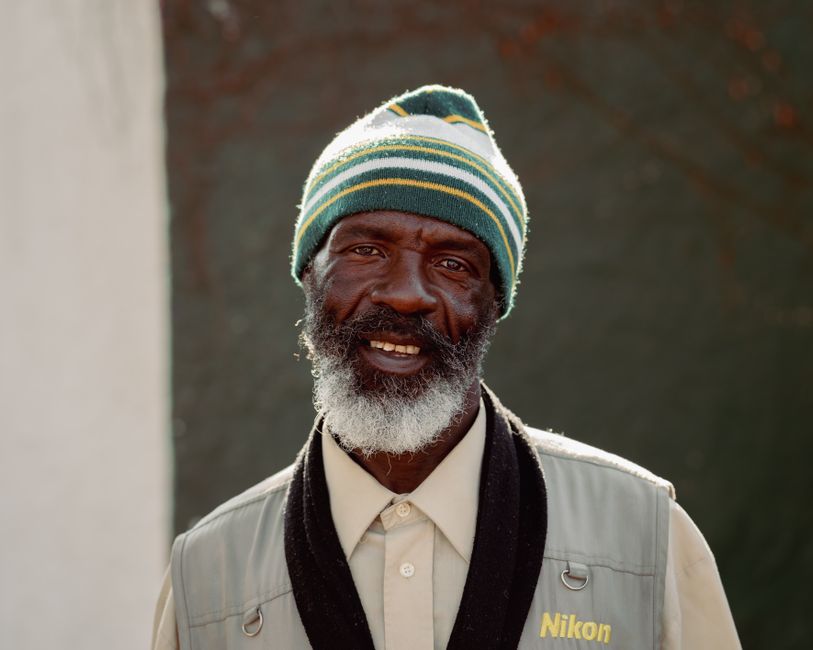
Walk into any of Johannesburg's celebrated nightlife districts on a Friday evening—Braamfontein's creative corridor, the industrial-chic Maboneng Precinct, or the regenerated streets of the Inner City—and what you're really experiencing is the labour of love from hundreds of unsung individuals who've chosen to build community in the dark hours.
These are the bartenders who remember your name and your drink preference after two visits. The event promoters who've invested personal savings into transforming warehouse spaces into cultural incubators. The security personnel who've become trusted gatekeepers of safety for thousands of revellers each month. The DJs who've spent a decade reading a room's mood better than most people read their own family.
Statistics from the Johannesburg Chamber of Commerce suggest the nightlife and hospitality sector directly employs over 15,000 people in greater Johannesburg, with another 30,000 employed indirectly through supply chains and related services. Yet these figures tell us nothing about Marcus, the house music selector at a Braamfontein institution who spends Sunday afternoons crate-digging across the continent's vinyl markets. Or Nomvula, who manages a Maboneng venue and has watched it evolve from an artist squat into a destination attracting visitors from across Africa.
The stories accumulate in the spaces themselves. At venues dotting Fox Street, Bree Street, and the evolving Newtown Cultural Precinct, conversation flows across languages—Zulu, Sotho, Afrikaans, English—as it does few other places in our fractured city. A nurse grabbing a cocktail after a night shift. A startup founder discussing expansion plans. A student experiencing their first proper night out. A retiree who's been coming to the same jazz spot for thirty years.
What emerges isn't just economics but sociology. The nightlife scene has become one of Johannesburg's genuine integration engines, a place where social boundaries genuinely blur. Venues operating across the city generate approximately R2.4 billion annually, but more importantly, they generate belonging.
The people making this work—the owners, the staff, the regular patrons who've become unofficial ambassadors—rarely court public recognition. They simply show up, night after night, maintaining spaces where strangers become friends, where art gets exhibited, where music gets played at volumes that feel like communion.
Johannesburg's nightlife isn't famous because of its infrastructure or its pricing. It's legendary because of who tends its bars, who books its stages, and who chooses to spend their precious evening hours here. The city's greatest asset was never the buildings. It's always been the people.
This article was compiled by AI from the sources linked above and screened before publishing. See our editorial standards.