Why Johannesburg's Parks Punch Above Their Weight in the Global Urban Landscape
From sprawling nature reserves to intimate neighbourhood gardens, this city's outdoor spaces offer something you won't find in London, New York, or Dubai.
From sprawling nature reserves to intimate neighbourhood gardens, this city's outdoor spaces offer something you won't find in London, New York, or Dubai.
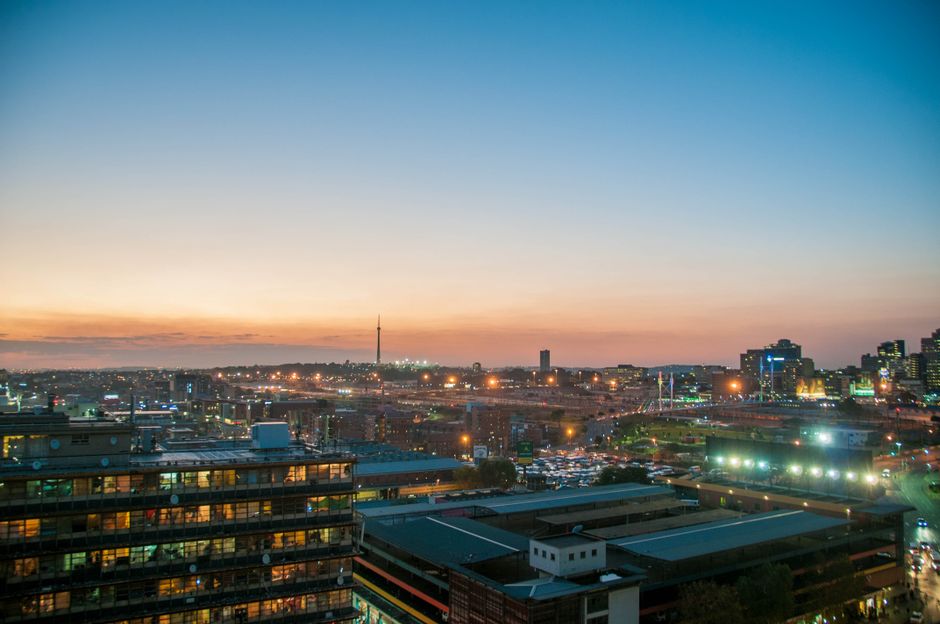
Most global cities choose between two extremes: manicured urban parks that feel sterile, or raw wilderness that requires serious travel time. Johannesburg refuses that binary. Here, you can breakfast in the Maboneng Precinct, hike through indigenous forest by lunchtime, and catch sunset over the Witwatersrand escarpment—all without leaving the metropolitan area. That's a luxury few cities globally can claim.
Consider the Johannesburg Botanical Garden in Emmarentia. Spanning 125 hectares, it rivals anything in Berlin or Barcelona, yet remains refreshingly unpretentious. Entry costs R110 for adults—a fraction of Kew Gardens' £20—and you're genuinely alone with cycads and proteas rather than fighting crowds. Similarly, the Wilds, a newly revitalised 32-hectare urban forest in the heart of the city, represents something increasingly rare globally: a working-class neighbourhood reclaiming public green space. No corporate sponsorship logo in sight.
What truly sets Johannesburg apart is the proximity of genuine wilderness. Unlike London residents who need hours to reach the Cotswolds, Johannesburg residents can reach the Cradle of Humankind's malaria-free reserves within 45 minutes. The Wonder Cave, Kromdraai, and Sterkfontein aren't day-trip afterthoughts—they're integrated into the urban fabric. You're not choosing between city or nature; you're inhabiting both simultaneously.
The neighbourhood parks reveal deeper character. In Observatory, the Brickfields neighbourhood hosts informal community gardens where locals grow mielies and spinach in dense urban rows—a model increasingly studied in sustainability circles from New York to Copenhagen. Parkhurst's linear parks along the Braamfontein Spruit represent pioneering river rehabilitation; the spruit's restoration has become a template for African cities tackling urban water management.
Then there's the infrastructure piece. The Gauteng government's R-value rating system for park accessibility means even townships like Soweto benefit from strategic green corridors. Compare this to Paris, where parks remain concentrated in arrondissements, or Singapore, where green space often feels engineered rather than organic.
Pricing matters, too. A family picnic at Melville Koppies costs nothing—you're literally sitting on a heritage site managed by the Melville Koppies Foundation. Annual membership to the Johannesburg Parks and Zoo Foundation opens access to multiple spaces for under R500. Similar memberships in comparable global cities run three times higher.
The real differentiator? Johannesburg's outdoor spaces haven't been sanitised into Instagram backdrops. They remain lived-in, contested, and authentically alive—places where you'll encounter not just nature, but the city's genuine social fabric.
This article was compiled by AI from the sources linked above and screened before publishing. See our editorial standards.
How does this story make you feel?
Spread the word
About this article
Published by The Daily Johannesburg
Daily brief
Free, in your inbox before 7am. Weekdays.
More in lifestyle