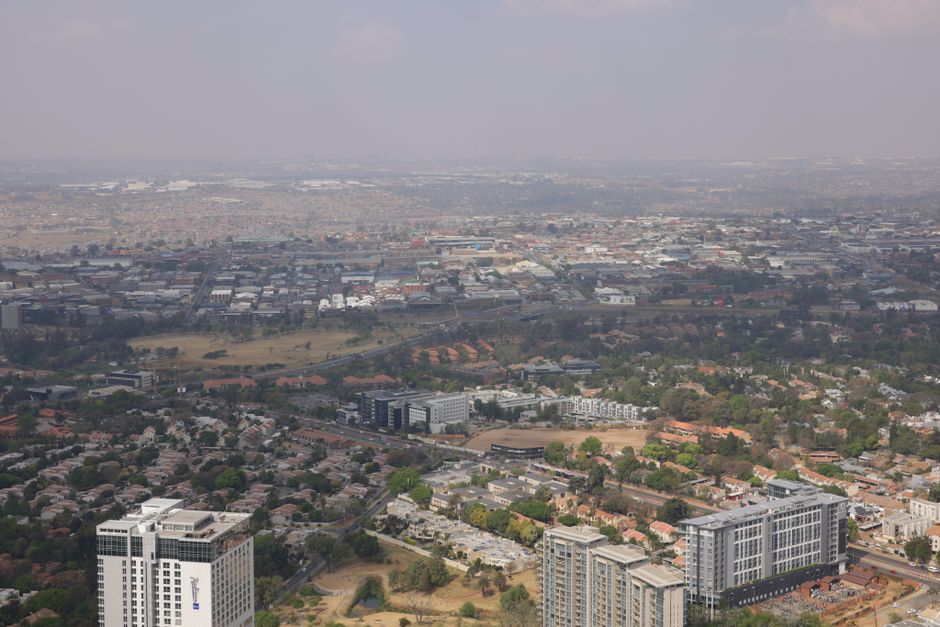
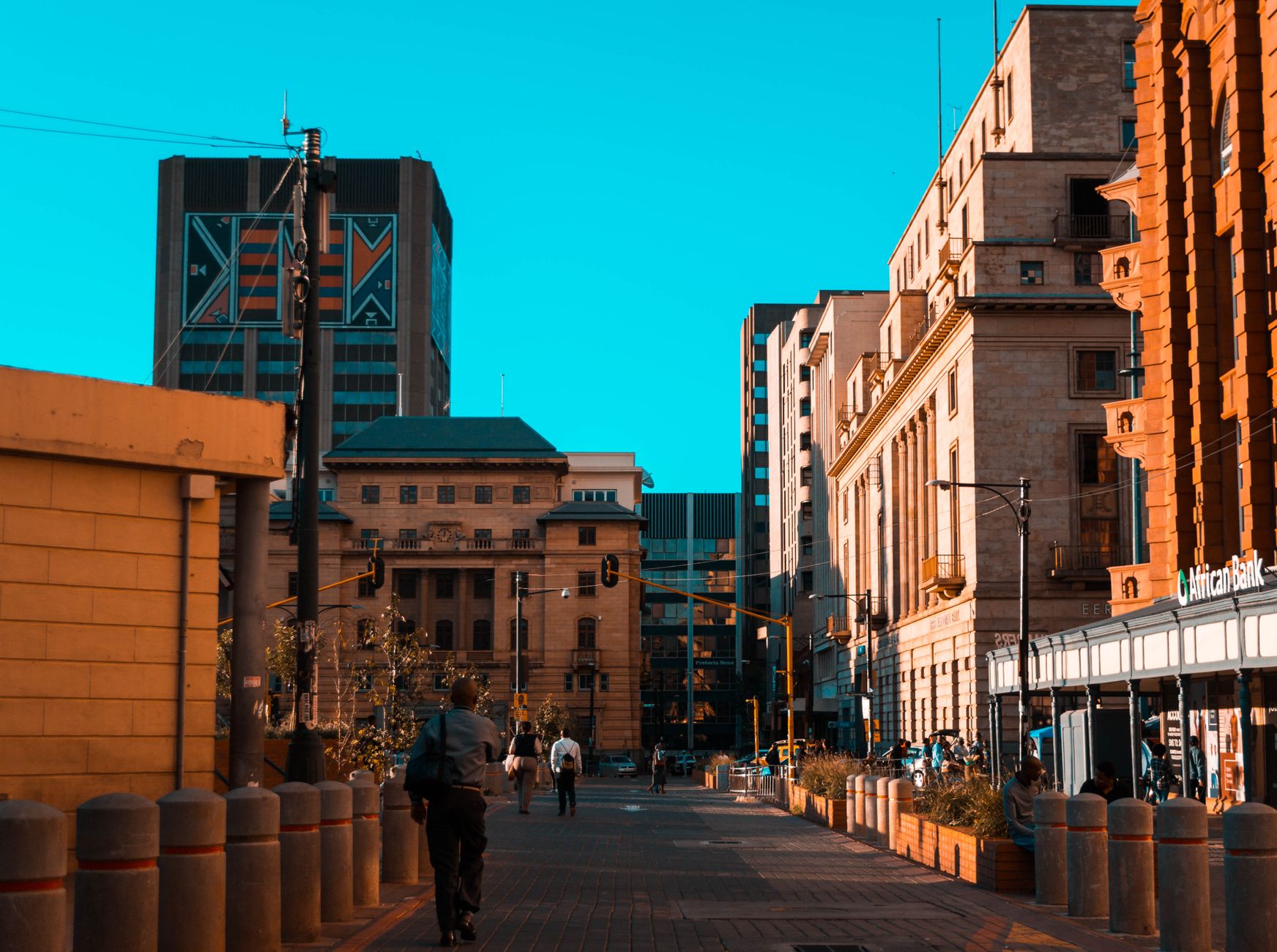
Moving to a new country is rarely straightforward, but in Johannesburg, the welcome often comes not from tourism boards but from the people you meet over coffee in Braamfontein, at markets in Maboneng, or during late-night conversations in the bars of Parkhurst.
The expat narrative in Johannesburg has shifted dramatically. Where once relocation meant corporate transfers into gated Sandton estates, today's newcomers are arriving for reasons far more diverse. Tech entrepreneurs cluster around the innovation hubs of Braamfontein and the Pixel District. Young professionals from across Europe and North America cite the affordable cost of living—a one-bedroom apartment in trendy areas averages around R12,000-R18,000 monthly—as liberation rather than compromise. Artists, educators, and remote workers are discovering that Johannesburg's creative economy punches well above its weight, with thriving communities in Maboneng and Fordsburg.
The relocation journey itself has been democratised by community networks that barely existed five years ago. Organisations like JoBurg Connect and various Facebook groups dedicated to newcomers have transformed what was once an isolating process into something collaborative. These spaces pulse with practical wisdom: recommendations for schools in the northern suburbs, warnings about load-shedding's impact on your daily schedule, celebrations when newcomers land their first South African friendships.
What makes Johannesburg genuinely special, however, isn't the infrastructure or even the opportunity. It's the kaleidoscopic nature of who you'll encounter. Visit Melville's coffee culture and you'll find baristas from Zimbabwe training alongside South Africans, discussing single-origin beans with customers from five continents. Walk through the Market Theatre precinct and you're witnessing creative collaboration that defies traditional hierarchies. Even the notorious Johannesburg traffic—notoriously slow—becomes a shared human experience that levels everyone to the same frustration and eventual camaraderie.
The cost advantage is real. Compared to London, New York, or even Cape Town's rapidly inflating property market, Johannesburg remains accessible. But sustainability requires more than spreadsheets. It requires integration, and that's where the people factor becomes irreplaceable. Long-term settlers frequently cite their social networks—the book clubs in Norwood, the running groups in Parkhurst, the faith communities dotting every neighbourhood—as decisive factors in whether they stayed or left.
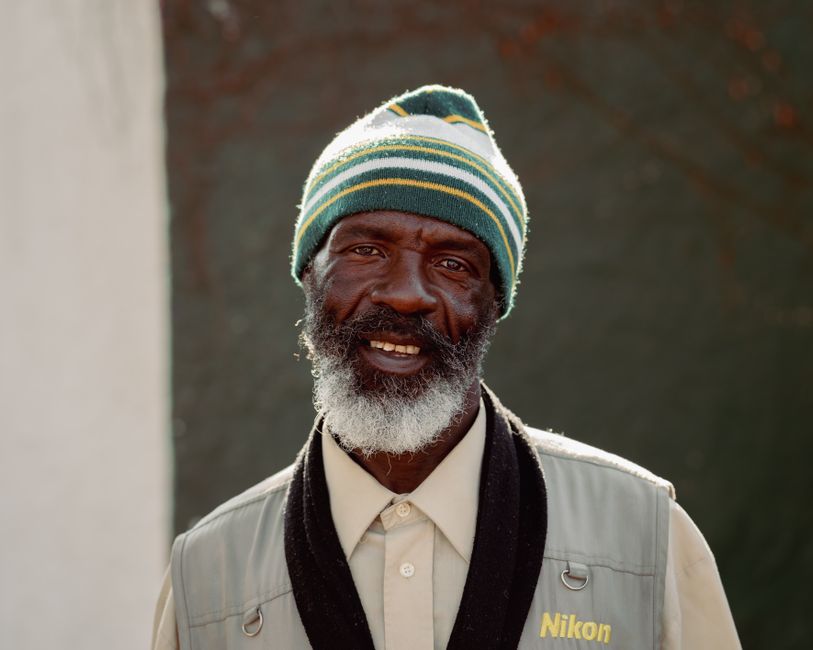
For newcomers arriving with trepidation, the honest truth is this: Johannesburg will challenge you with its infrastructure uncertainties and safety considerations. But it will also introduce you to entrepreneurs, artists, educators, and ordinary people whose warmth and resilience are quietly reshaping what this city means. That human dimension—the faces and stories—remains Joburg's most underrated asset and its strongest magnetic pull.
This article was compiled by AI from the sources linked above and screened before publishing. See our editorial standards.