What to Do in Johannesburg Today: A Visitor's Guide to the City's Must-See Highlights
From world-class museums to vibrant street art districts, here's what you need to know before exploring Africa's most dynamic city.
From world-class museums to vibrant street art districts, here's what you need to know before exploring Africa's most dynamic city.
Johannesburg on a Friday in winter offers something most visitors don't expect: crisp, clear skies and manageable crowds. The city's cultural calendar fills up fast, especially as July approaches the mid-winter break when schools close and families flood the streets looking for things to do. Today, you have options ranging from the contemplative to the exhilarating, spread across neighbourhoods that tell Johannesburg's complicated, compelling story.
The city has undergone significant transformation over the past decade. Where once visitors arrived with trepidation, they now come armed with smartphone maps and genuine curiosity. The Johannesburg Development Agency reported that cultural tourism to the city increased by 34% between 2022 and 2024, with the Apartheid Museum and Soweto heritage sites leading the charge. But today isn't about following the predictable route. It's about understanding what makes this city tick in 2026.
Start your morning in the Constitutional Hill precinct, where the Old Fort sits adjacent to the Constitutional Court at 1 Union Avenue. Built in 1893, the fort imprisoned political detainees during apartheid; today, visitors navigate the same corridors, reading testimony from those who fought the regime. Admission costs R150 for adults, and you'll need about two hours to absorb the weight of the space. The Constitutional Court itself—designed by architects Usha Haley and Menno Veldman—opens its doors for guided tours daily at 11 a.m., free of charge. The building's dramatic glass and concrete design sits deliberately above the old prison, a architectural metaphor too obvious to miss.
Five kilometres south, the Apartheid Museum on Simmonds Street in Ormonde carries the city's most visited collection. The museum logged 156,000 visitors in 2025 alone, making it South Africa's single most-attended cultural institution. Expect to spend a full morning here. Entry costs R95 for South African citizens, R180 for international visitors. The permanent exhibition runs chronologically through 14 galleries, but the contemporary exhibitions change quarterly. This quarter focuses on resistance movements across the African continent—timely given the geopolitical tensions playing out globally.
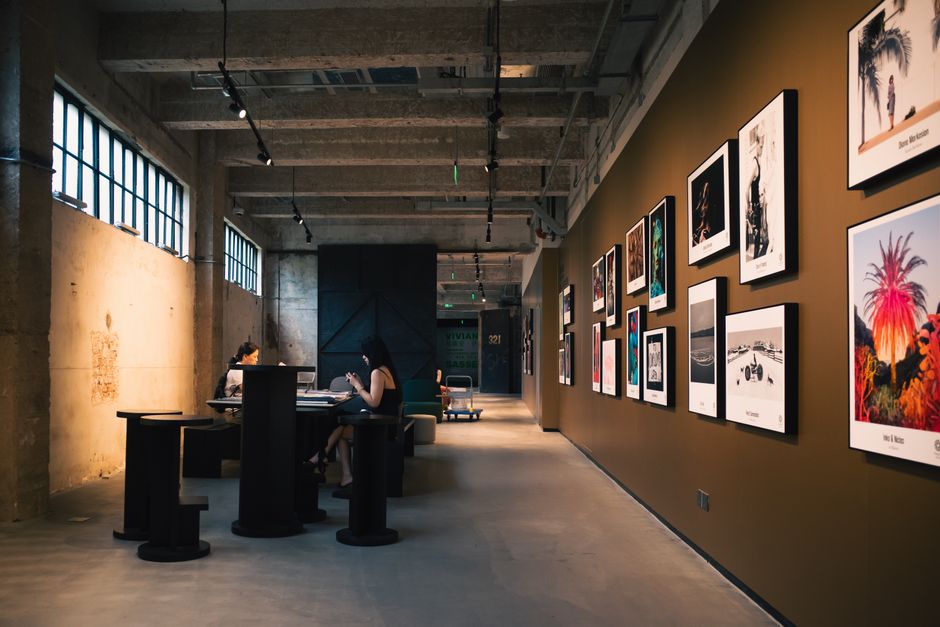
Maboneng Precinct in the inner city has become the epicentre of Johannesburg's creative renaissance. What was abandoned industrial space ten years ago now pulses with murals, galleries, and studios. Artists including Karabo Poppy and Zanele Muholi have exhibition space here. Thursday Artwalk events happen monthly, drawing 200 to 300 people through converted warehouses and pop-up venues. Today isn't an official artwalk day, but you can still wander Lover's Lane or Main Street and watch artists work from studio windows. Several coffee roasters—Republica and Cupping Room among them—occupy the ground floors, offering cortados for R45 and Wi-Fi without the pressure to spend.
If you want something more curated, head to the Goodman Gallery on Jan Smuts Avenue in Rosebank, where South African contemporary art sits alongside work by international artists. The gallery's director, Lorna Ferguson, has been instrumental in positioning Johannesburg as a serious art destination—the kind of place where collectors arrive expecting depth, not novelty. Admission is free.
Soweto remains non-negotiable. The Hector Pieterson Memorial Museum sits on the corner of Kichener and Moema streets, documenting the 1976 uprising that claimed the lives of schoolchildren. The museum is modest, but the impact is absolute. Many visitors combine this with a visit to the Mandela House on Vilakazi Street, where tours run hourly. Budget R200 for a guide—worth every rand for context and stories the plaque can't tell.
Practical note: Johannesburg sprawls. Distances that look short on Google Maps take longer to drive than anticipated. Use Uber or hire a driver for the day; expect to pay around R800 to R1,200 for eight hours of service. Public transport exists but doesn't serve most tourist routes reliably. The Gautrain rapid rail system connects Sandton to the airport and parts of the inner city, but you'll need wheels for most of today's itinerary.
By sunset, you'll understand why Johannesburg claims its place among the world's most vital cities—not despite its history, but because of how unflinchingly it confronts it.
How does this story make you feel?
Spread the word
About this article
Published by The Daily Johannesburg
Daily brief
Free, in your inbox before 7am. Weekdays.
More in culture