From Maboneng to Soweto: The community and movement driving this cultural shift
Johannesburg is shedding its reputation as a transient business hub as a new wave of local creatives reclaim the city’s post-industrial landscape.
Johannesburg is shedding its reputation as a transient business hub as a new wave of local creatives reclaim the city’s post-industrial landscape.
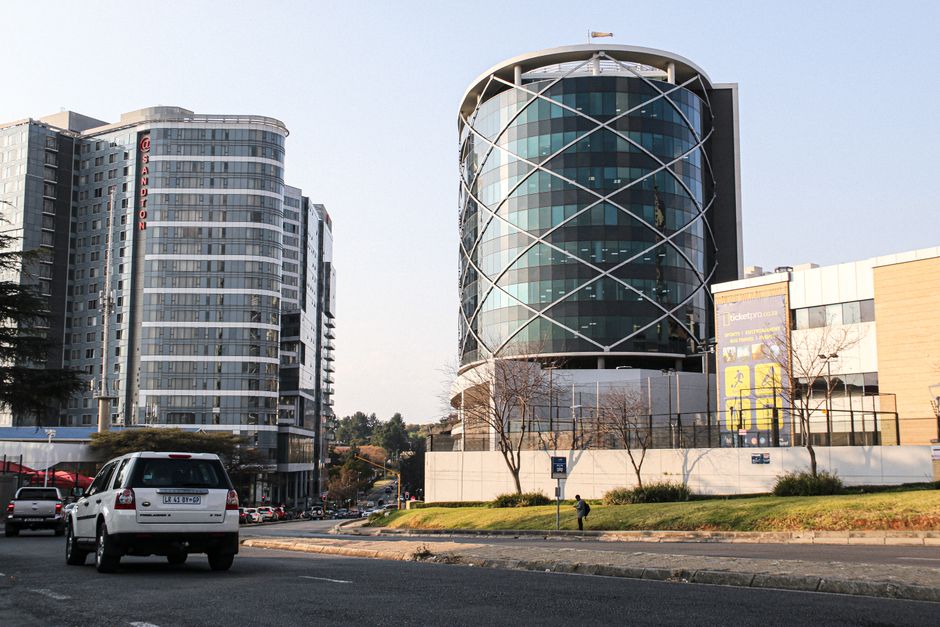
Johannesburg’s creative scene is no longer confined to the sterile glass towers of Sandton. Today, July 4, thousands of residents are bypassing the traditional shopping malls in favor of decentralized, community-led festivals taking place in reclaimed industrial spaces across the CBD and the southern townships. What was once dismissed as urban decay is being repurposed by a collective of artists, chefs, and urban planners into a viable, sustainable local economy.
This movement is anchored by organizations like the 'Jozi Creative Exchange,' which has facilitated the opening of 14 new independent studios in the Maboneng precinct this quarter. These spaces operate on a membership model rather than traditional commercial leases, allowing small-scale fashion designers and digital illustrators to work in the heart of the city without the crushing overheads of high-street retail. In the western reaches of the city, the 'Soweto Arts Syndicate' is coordinating today’s public mural walk, covering two kilometers of wall space between Vilakazi Street and the Orlando Stadium.
The cultural shift is driven by a rejection of the 'commute-and-consume' model that defined the city for the last two decades. Young professionals are instead pouring their capital into hyper-local ventures. Data from the Johannesburg Development Agency suggests that foot traffic in the repurposed workshops of the Bree Street corridor has increased by 22 percent since the first of January 2026. This isn't just about gentrification; it is about residents taking direct control of the city’s identity after years of municipal stagnation.
Local businesses are responding to this demand with aggressive pricing shifts. A standard 'artisan' coffee and pastry combo, which commanded R120 in the affluent northern suburbs last year, is now retailing for R65 at community-owned cooperatives like the 'Market House' on Commissioner Street. These margins are tight, but the volume of community support is keeping the lights on. The average independent creator in the inner city now reports that 60 percent of their monthly turnover is derived from local, repeat customers rather than the erratic tourist trade that previously dominated the area.
If you are looking to engage with this shift today, start your afternoon at the 'Gallery 44' exhibition in Braamfontein. The curators have explicitly banned international touring exhibits in favor of works produced within a 50-kilometer radius of the city center. Expect to pay a R50 entry fee, which goes directly into a local youth mentorship fund. If you prefer the outdoors, the evening 'Night Market' at Constitution Hill promises to showcase the latest from the city’s textile guilds. Bring cash and be prepared for the chill; temperatures are expected to drop to 6 degrees Celsius by sunset, but the density of the crowds typically keeps the atmosphere energized until at least 10:00 PM.
How does this story make you feel?
Spread the word
About this article
Published by The Daily Johannesburg
Daily brief
Free, in your inbox before 7am. Weekdays.
More in culture