Where to Catch Tomorrow's Johannesburg Artists Today: Five Emerging Voices Worth Your Time
From visual collectives in Maboneng to indie musicians cutting demos in Melville, the city's next generation is reshaping what local culture looks like.
From visual collectives in Maboneng to indie musicians cutting demos in Melville, the city's next generation is reshaping what local culture looks like.
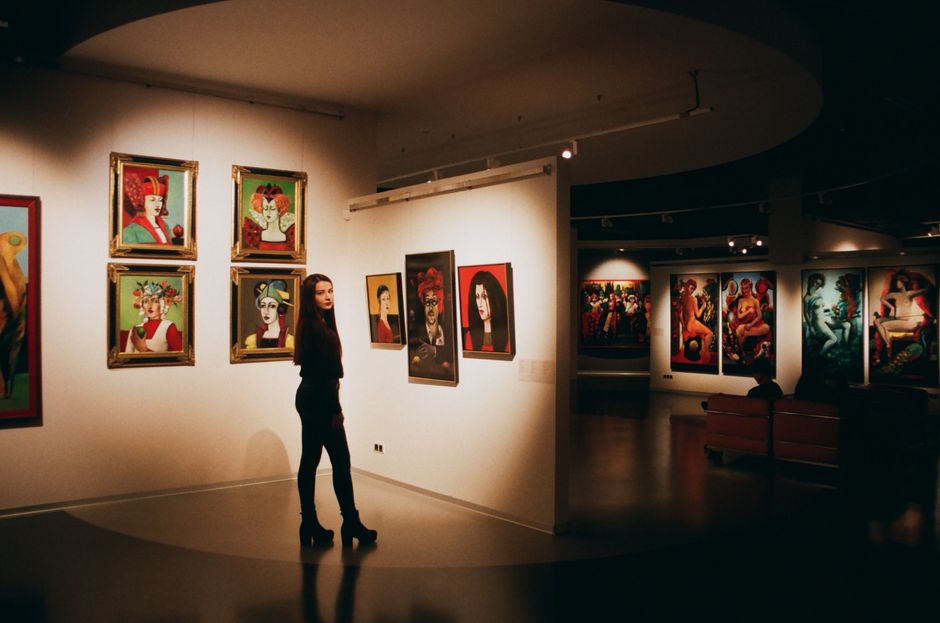
The Maboneng Precinct is hosting a pop-up exhibition tonight called "Raw Signal" featuring three visual artists under 28 who've spent the past eighteen months developing large-scale installation work in converted warehouse studios along Fox Street. The show opens at 6 p.m. and runs until midnight, with artists present to discuss their practice. This matters now because Johannesburg's creative economy is shifting. The city's arts sector generated R12.7 billion in economic activity in 2024 according to the Joburg Economic Development Agency, yet the majority of that investment still flows to established galleries and heritage institutions. Emerging practitioners are forcing their way into the conversation through alternative venues, collective shows, and direct audience engagement.
Beyond tonight's installation work, the broader Maboneng Precinct—anchored by the Market Theatre and the Goodman Gallery satellite space—has become the primary staging ground for artists working outside traditional gallery hierarchies. Alongside Fox Street, the Braamfontein corridor has absorbed dozens of artist collectives renting cheap studio space in aging commercial buildings. Three streets over in Melville, a cluster of independent record labels and bedroom producers are releasing music directly to streaming platforms, bypassing traditional record distribution entirely. These aren't hypothetical developments. The city's rent inflation means younger artists gravitate toward neighborhoods where landlords tolerate experimental activity. Studio rents in Maboneng start at R3,500 monthly for shared workspace, making it viable for practitioners to sustain practice without commercial gallery representation.
Tonight's "Raw Signal" exhibition anchors a broader trend. The three artists showing—all recent graduates from the University of Johannesburg's Fine Arts program—work in video, sound installation, and sculptural assemblage. They've been exhibiting collectively since late 2024, deliberately avoiding submission to established galleries. Their strategy mirrors what's happening across performance and music. The Windybrow Theatre in Hillbrow, a 40-year-old venue that nearly closed in 2019, now books experimental theatre companies and emerging choreographers alongside its heritage program. June alone featured two original works by artists in their late twenties, both developed through residencies rather than commission.
Johannesburg's artist population has grown measurably. The Joburg Film Office registered 287 independent production companies in 2025, up from 156 in 2021. Not all are feature-length operations—many are single producers or two-person crews making content for digital platforms. The shift reflects a structural change. Younger creators no longer wait for institutional validation. They build audience directly through Instagram, TikTok, and YouTube, then leverage that following for commissions or residencies. The Bag Factory in Fordsburg, a nonprofit artist collective, enrolled 34 emerging practitioners in its 2026 residency program. The waiting list contains 412 applications.
What distinguishes this cohort from previous generations is their comfort with cross-disciplinary work. Painters collaborate with sound designers. Choreographers work with visual artists on single projects. This fluidity challenges how institutions categorize and fund culture. The Market Theatre's recent decision to allocate 40 percent of its 2026 programming budget to emerging-artist-led productions signals how institutions are responding to pressure from below.
If you're serious about understanding where Johannesburg's creative energy is flowing, tonight's pop-up in Maboneng is a useful entry point. Arrive between 6 and 8 p.m. to avoid crowds and actually speak with the artists. Admission is R40. The Windybrow has performances Friday and Saturday next week—their website lists the full schedule. More broadly, spend the next two weeks visiting three unfamiliar studio neighborhoods: Maboneng, Braamfontein, and Melville. The artists who'll shape this city's cultural reputation over the next decade are working right now in spaces that still feel temporary. Show up while they're still accessible.
How does this story make you feel?
Spread the word
About this article
Published by The Daily Johannesburg
Daily brief
Free, in your inbox before 7am. Weekdays.
More in culture