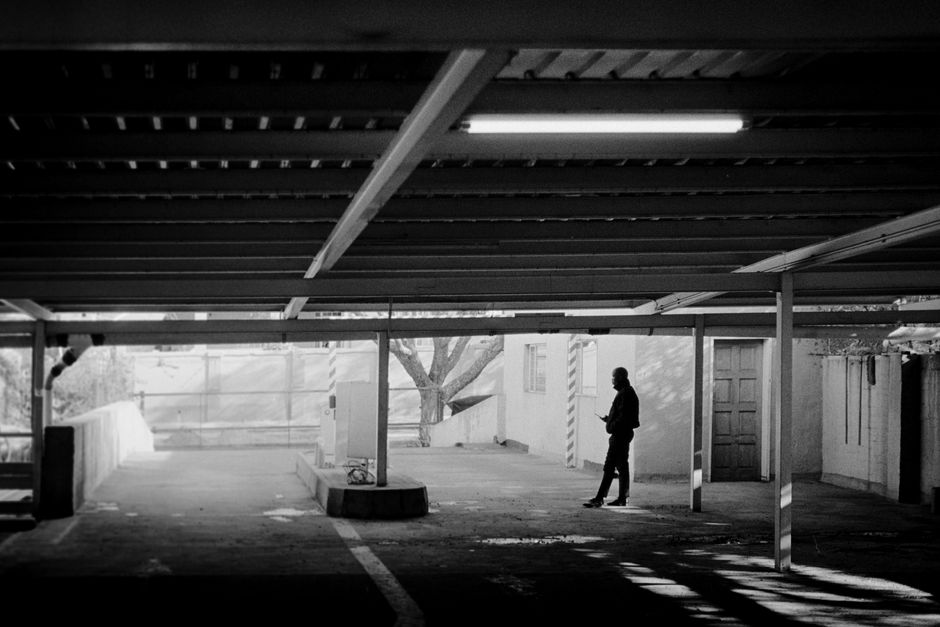
Friday nights in Johannesburg look nothing like they did five years ago. The shift didn't happen by accident. Walk into Braamfontein on a humid July evening and you'll find packed warehouse galleries, improvisational jazz sets, and performance art collectives that barely existed a half-decade back. The architects of this scene—mostly under 40, often bootstrapped, always stubborn—spent years building the infrastructure that now makes tonight worth staying downtown for.
This matters now because Johannesburg's cultural economy faces real competition. Cape Town has its waterfront galleries. Durban is marketing beach culture. London, Berlin, and Lagos all pull creative talent with promises of established networks and institutional support. What keeps artists and audiences here is simple: the people who decided to build something in the broken spaces. They created venues when landlords wouldn't rent to arts projects. They scheduled shows when no one paid them for promotion. They did it anyway.
The Spaces That Changed the Equation
The Maboneng Precinct on Fox Street transformed from light industrial ruin into a cultural zone because individuals like developer Jonathan Liebmann took the real estate risk in 2008. Two decades later, that bet yields Friday crowds at venues like Megalo Print Studio, where visual artists run communal printing presses while hosting live performance. Meanwhile, in Braamfontein, collectives like Visual Arts Network and Gallery AOP operate in renovated office buildings on Juta Street, where group shows rotate every three weeks at near-zero overhead. Neither venue could operate at commercial rates. Both survive because founders negotiated long-term leases and built community subscriptions instead of relying on ticket sales.
The economics tell the story. A typical Johannesburg gallery show costs between R800 and R2,500 to mount, but rarely generates revenue. Artists exhibit because curators like those at Thupelo Art Project—which has operated since 1987 in Mulbarton—built sustainable models combining artist residencies, educational programs, and donor support. The Thupelo model influenced younger spaces: Assembled&Disassembled in Jeppestown, founded in 2019, now hosts 12 artist residencies annually despite operating with a staff of two and an annual budget under R400,000.
Tonight's actual offerings reflect this infrastructure. The Market Theatre on Wolhuter Street runs three concurrent productions in its main, Barney Simon, and Loft theatres—a scheduling complexity only possible because 30 years of institutional history means the theatre has staff, technical capacity, and audience relationships. Small galleries across the inner city host independent shows that depend entirely on artist networks and word-of-mouth promotion. Neither model works without the people who decided to stay.
The Cost of Staying
Friday attendance at downtown venues has risen measurably. The Braamfontein Precinct Association recorded 47 percent foot traffic growth from 2022 to 2025. But the people running these spaces aren't getting rich. Gallery owners report working 60-hour weeks for stipends, not salaries. Curators maintain day jobs. Theatre technicians train newcomers for minimal wages. They do it because they believe the alternative—a city where creative work requires immigration—is worse.
If you're heading out tonight, start early. Parking on Juta Street fills by 6 p.m. The galleries stay open until 10. Drinks at the Market Theatre bar cost R55 for a beer. Most gallery shows are free entry, though donations are appreciated. The theatre's main stage show runs until 9:15 p.m. None of this existed as a coordinated scene until people risked stability on the proposition that Johannesburg's broken urban fabric could become an asset instead of a liability.