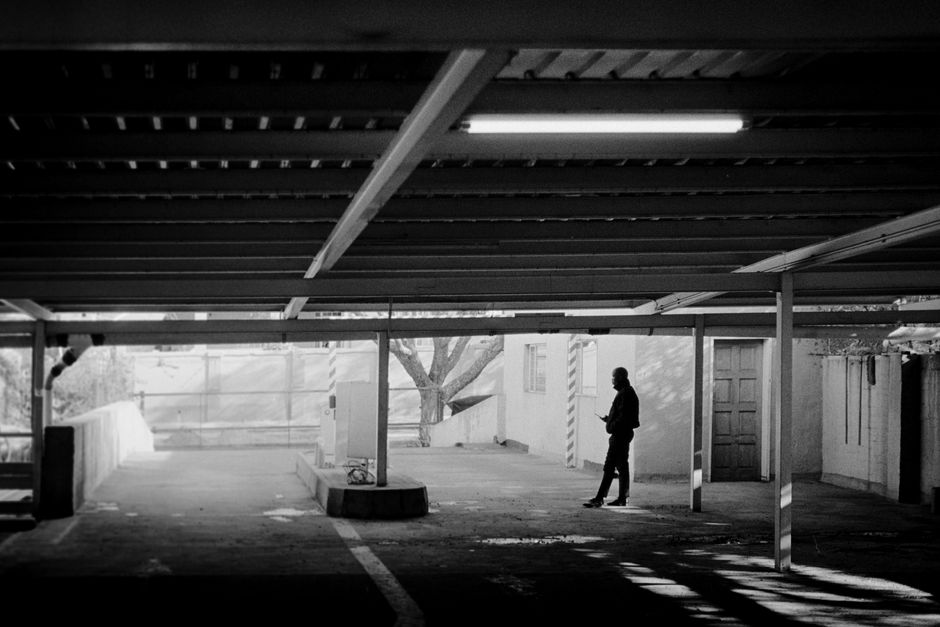
The Braamfontein Cultural Commons festival opens Friday night in a converted industrial space on Fox Street, but its real story began two years ago when a group of producers, visual artists and sound engineers grew tired of waiting for permission to make culture in their own city.
What starts this weekend is a 48-hour event built entirely by Johannesburg creatives who funded it through pre-sales, bartending gigs and trading favors with local equipment rental companies. The festival runs July 4-6 across three venues—the main stage in the Fox Street warehouse, a breakroom setup at Neighbour Goods Market in Braamfontein, and a listening room at the Wits School of Arts on Jan Smuts Avenue. No major sponsors. No corporate naming rights. Just people who decided their city's electronic music and experimental art scene deserved a stage.
Five years ago, Johannesburg had exactly two dedicated venues for electronic music. The Joburg Live Festival shut down in 2021, leaving producers with nowhere to present their work except occasional slots at mainstream clubs more interested in commercial hits than sonic experimentation. Local musicians began renting studio time in Maboneng and Fordsburg just to record demos, spending R800 to R1,200 per day on spaces that are barely soundproofed.
From Studio Frustration to Festival Reality
The collective that organized this weekend's festival started as a WhatsApp group of about 15 producers in 2024. They met monthly at different studios across the inner city—sometimes in Newtown lofts, sometimes in Jeppestown garages—and talked about why Johannesburg, a city with 4.4 million people and a globally recognized electronic music heritage, kept exporting its talent to Berlin, London and Cape Town rather than building venues at home.
By early 2025, they had committed to something concrete. They secured the Fox Street warehouse through a landlord connection, negotiated a three-week rental for R45,000, and started selling tickets at R180 for a single day or R420 for the full weekend. Early sales moved slowly—they needed 500 tickets to break even on venue costs alone. But by April, a feature in local arts publication Bubblegum Club changed the conversation. Within three weeks, they sold 380 tickets and realized they could actually do this.
The collective brought in visual designers from the Goethe-Institut Johannesburg, who had worked on smaller exhibitions, to handle projection mapping and installation art. They partnered with The Playhouse Company, a local nonprofit that runs youth arts programs in Alexandra, to offer free apprenticeships to 12 young technicians who would work the festival in exchange for skills training. Those apprentices have been working every weekend for the past month, learning sound engineering from some of Joburg's most respected independent producers.
Building an Audience From Word of Mouth
Current ticket sales stand at 847 across all three days, according to Quicket data accessed this week. That's well above their break-even threshold, but still a modest number for a city this size. What matters more to the organizers is who's coming. About 40 percent of ticket holders live outside Johannesburg—artists and enthusiasts traveling from Pretoria, Durban, and Cape Town, drawn partly by the novelty of a genuinely independent festival.
The lineup includes 31 DJs and live performers, with sets ranging from Afro-house to ambient drone. Tickets remain available through Friday at the same prices. The Neighbour Goods Market sessions run noon to 6 p.m. on Saturday and Sunday, while the main Fox Street program starts at 8 p.m. both nights.
For anyone heading out this weekend, the organizers suggest arriving early—parking on Fox Street fills quickly, and the surrounding streets in Braamfontein lack formal lots. The nearest garage is at Wits, a five-minute walk away. Bring cash; card readers at the warehouse bar are temperamental, and the signal inside the converted factory is spotty.