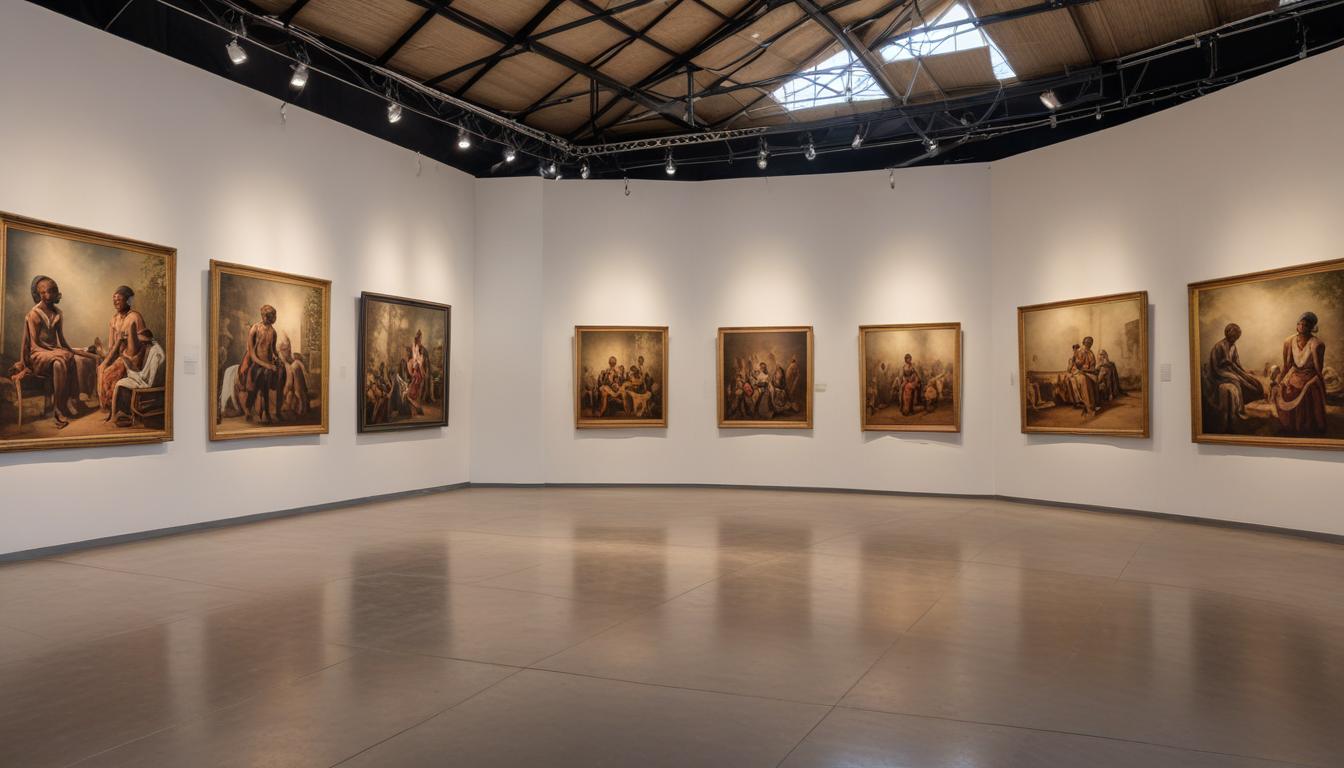
Three years ago, the live music landscape in Johannesburg felt fractured. Venues were closing, independent promoters were struggling, and emerging artists found few places to perform beyond the same corporate-controlled circuit. Today, something tangible has shifted—driven not by major investment or top-down intervention, but by a determined community rebuilding the city's cultural infrastructure from the ground up.
The movement is most visible in Maboneng and Braamfontein, where converted warehouses and heritage buildings have become incubators for experimental performance. Venues like those operating along Fox Street and around the Arts on Main precinct now host three to four live events weekly, with ticket prices ranging from R80 to R300—deliberately accessible to young Johannesburgers. What distinguishes this wave is its collaborative spirit. Promoters share audience lists, venues cross-promote competing events, and a network of independent curators has emerged to champion local talent that mainstream radio largely ignores.
The numbers tell the story. According to informal surveys conducted by Joburg's independent promoters collective, the number of mid-sized venues (200-400 capacity) operating regular live programming has grown from eight to seventeen since 2023. Meanwhile, attendance at township-based venues in Soweto and Alexandra has created a parallel ecosystem, with artists moving fluidly between inner-city and outer-lying spaces in ways that rarely happened before.
This shift reflects broader demographic changes. Younger venue operators—many in their late twenties and thirties—are rejecting the nightclub model that prioritized DJs and bottle service. Instead, they're programming live bands, jazz ensembles, hip-hop cyphers, and experimental electronic performances. Rental costs remain brutal (R30,000 to R60,000 monthly for modest spaces), but shared operating models and community investment have made survival possible.
What's particularly striking is the deliberate inclusion of underrepresented artists. Women performers, queer artists, and musicians from underserved communities now have consistent platforms. Several grassroots organizations have formalized this commitment, developing mentorship networks and providing technical support for emerging acts.
The movement isn't without tensions. Gentrification concerns loom large, with some community members worried that cultural revival will accelerate property displacement. Yet the venues themselves remain fiercely independent, resisting corporate acquisition and maintaining programming rooted in local identity rather than tourist appeal.
As Johannesburg navigates its post-pandemic recovery, this decentralized music movement represents something vital: a reclamation of public cultural space by those who inhabit the city daily, rather than those who merely profit from it.
This article was compiled by AI from the sources linked above and screened before publishing. See our editorial standards.