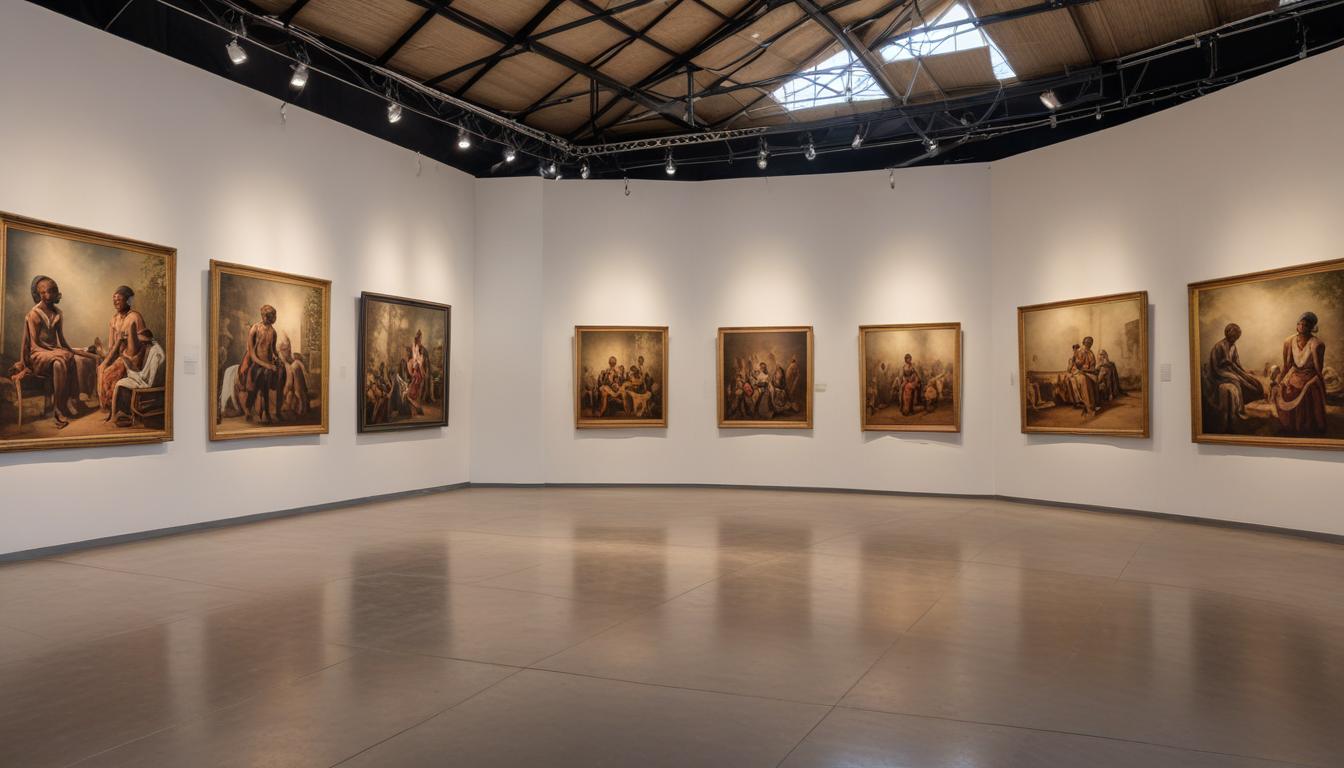
Johannesburg's street art scene has undergone a remarkable transformation over the past decade, evolving from scattered tags into a carefully curated cultural phenomenon that attracts art lovers from across the globe. For visitors seeking authentic creative experiences, the city's design districts offer far more than Instagram moments—they're living galleries where local and international artists challenge, inspire, and reshape urban narratives.
The Maboneng Precinct remains the city's most accessible entry point, with its pedestrianised streets and curated murals drawing an estimated 50,000 visitors monthly. Here, galleries like Circa and the Maboneng Art Gallery sit alongside street installations that change seasonally. The neighbourhood's design-forward cafés and boutiques mean you can spend an entire afternoon moving between art and culture without leaving a three-block radius. Entrance is free; expect to budget R200–400 for coffee and refreshments.
For grittier, more experimental work, Braamfontein demands attention. The district has emerged as the epicentre of Johannesburg's grassroots creative movement, with community-led initiatives like the Braamfontein Improvement District collaborating with emerging artists. The murals here—many by local collectives addressing social themes—feel raw and urgent, reflecting the neighbourhood's evolution from industrial decline to creative renaissance. Street art walking tours, offered by organisations like Johannesburg Routes, typically cost R250–350 per person and provide essential context about the artists and movements shaping the district.
Arts on Main, a former warehouse in the city's industrial heart, showcases street art alongside studio spaces and contemporary galleries. The building's exterior has become a rotating canvas for some of the country's most accomplished muralists. Inside, studios remain open to visitors during designated hours, offering rare glimpses into the creative process.
Several practical considerations matter. Most street art districts are best visited during daylight hours in groups. Many areas, while increasingly gentrified and safer, still warrant awareness of surroundings. Guided tours provide both safety and storytelling that enhances appreciation. Photography is generally welcomed—locals take pride in their work and its visibility.
The city's design identity is inseparable from its street art culture. Unlike Western cities where street art exists in tension with municipal authorities, Johannesburg increasingly embraces it as integral to urban renewal and cultural identity. This tension-turned-collaboration has created something distinctly Johannesburg: art that's neither fully sanctioned nor entirely transgressive, but genuinely transformative of how the city sees itself.
Visiting these districts means encountering South African creativity at its most vital and unfiltered. Come prepared to wander, ask questions, and support the coffee shops and galleries that sustain these communities.
This article was compiled by AI from the sources linked above and screened before publishing. See our editorial standards.