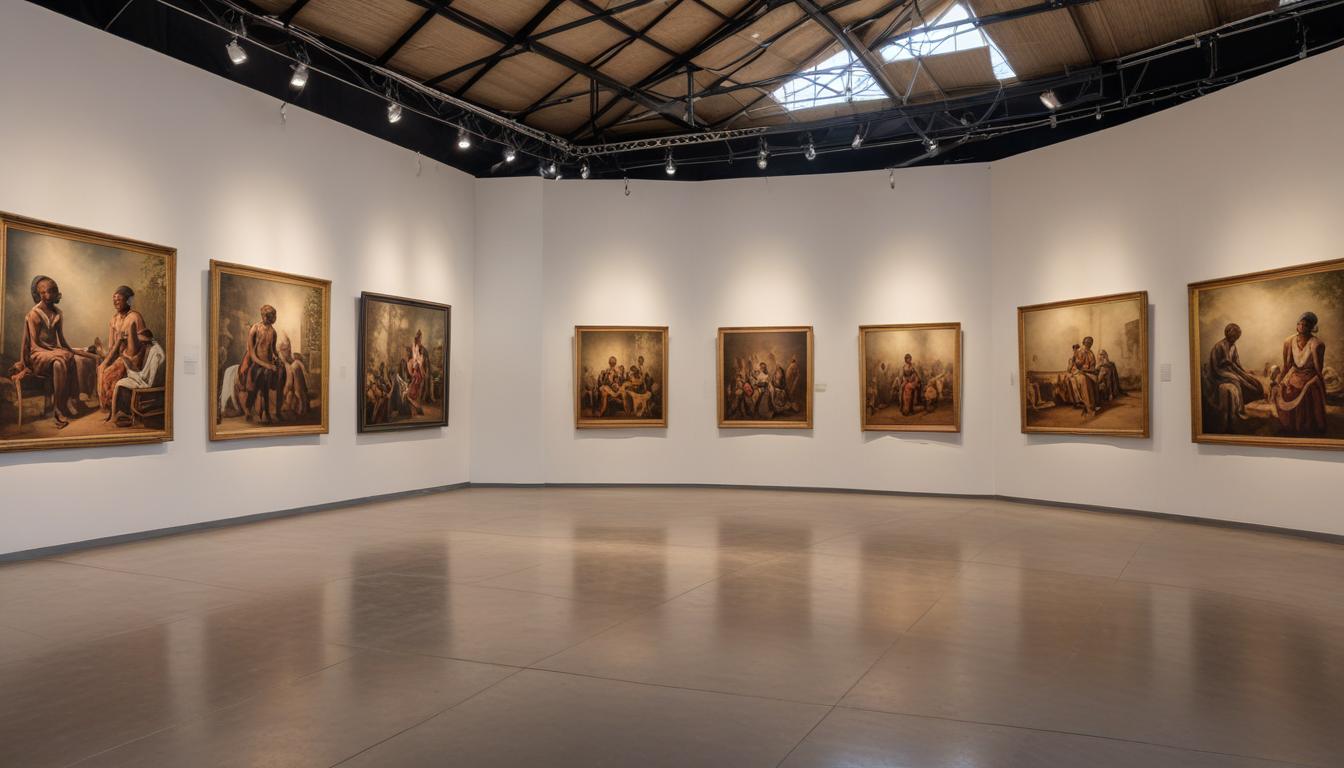
Johannesburg's cultural landscape is undergoing a quiet revolution. While established institutions like the Joburg Theatre on Braamfontein's Lace Street continue to draw crowds, an energetic wave of emerging artists is carving out space in smaller venues and independent productions across the city—from the Maboneng Precinct's intimate black-box theatres to converted warehouses in Newtown.
Over the past eighteen months, several independent production houses have shifted the dial. Young playwrights and filmmakers working through initiatives like the Wits School of Arts' incubator programmes are increasingly tackling distinctly local narratives—stories about urban displacement, identity politics, and intergenerational trauma—that resonate with Johannesburg's diverse audiences. Recent fringe theatre festivals have showcased work that moves beyond the traditional commercial theatre model, with ticket prices averaging R80 to R150, making work more accessible than the R200-plus ceiling at larger venues.
The shift reflects broader patterns. According to cultural analysts tracking the city's creative sector, approximately 60% of new theatre productions launched in Johannesburg in 2025 came from artists under thirty-five, a significant increase from the 40% recorded five years prior. Film too is seeing notable movement: local short-film festivals and streaming platforms have become launching pads for directors whose work reflects contemporary South African realities without the gatekeeping constraints of traditional distribution.
Venues like the Market Theatre in Newtown remain crucial anchors, but they're now operating alongside pop-up productions, university-led showcases, and community-centred work in neighbourhoods like Braamfontein, Marshalltown, and the Precinct. This decentralisation has created a more democratic cultural ecosystem—one where emerging voices aren't waiting for institutional validation.
What distinguishes this cohort is their willingness to blend theatrical traditions with film, digital platforms, and participatory work. Several emerging practitioners are experimenting with immersive performance and multimedia storytelling, recognising that younger Johannesburg audiences engage with culture across multiple formats. Many are also deliberate about working in local languages beyond English, integrating isiZulu, Sotho, and Tswana into productions that speak directly to neighbourhood communities.
For audiences keen to support this emerging wave, the opportunities are abundant. Checking programme listings at venues across the city—from Braamfontein's arts hubs to Maboneng's event calendars—reveals a calendar packed with new work. These are the voices shaping Johannesburg's cultural future, and they're ready to be heard.
This article was compiled by AI from the sources linked above and screened before publishing. See our editorial standards.