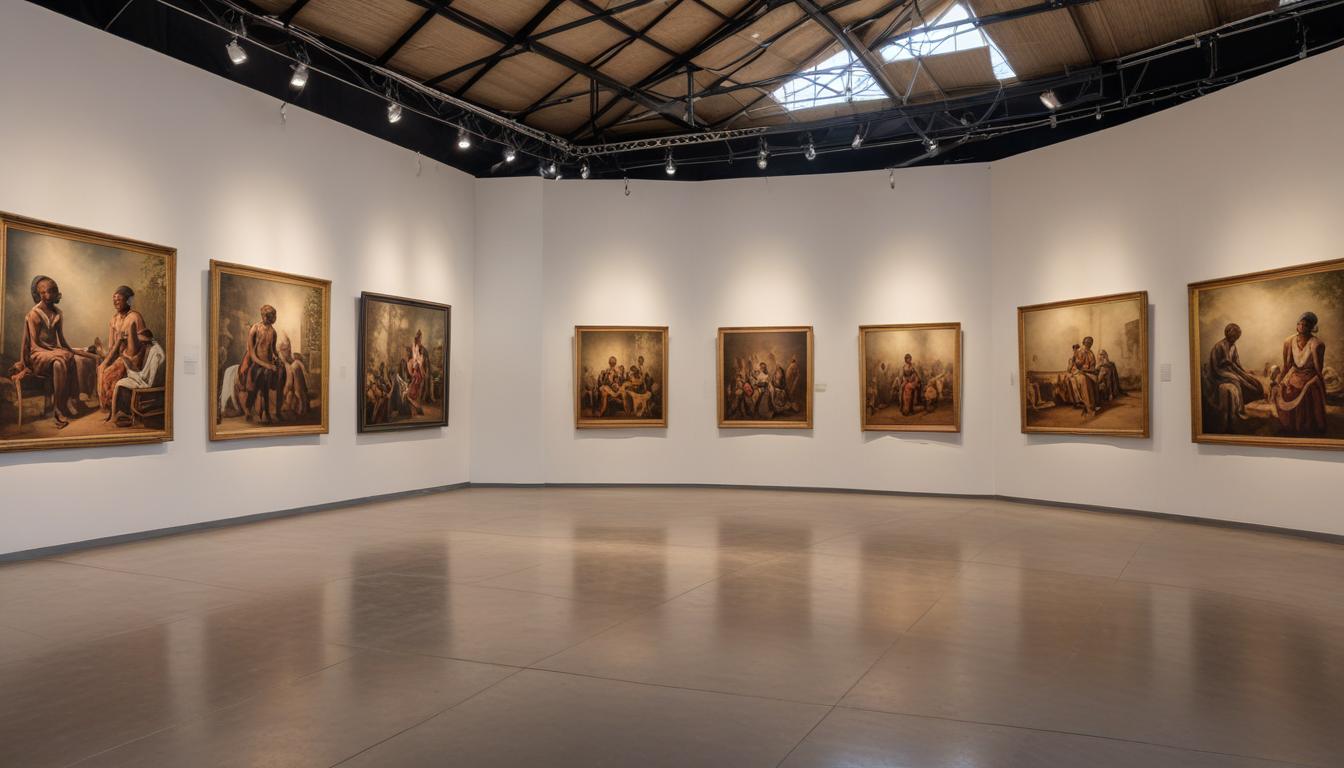
Walk down Fox Street on a Friday night and you'll feel it immediately—the unmistakable vibration of Johannesburg reclaiming its identity as a creative powerhouse. The city's live music and entertainment venues have become far more than places to catch a show; they're the engines driving a profound cultural shift that's reshaping how Johannesburg sees itself and how the world sees the city.
The numbers tell part of the story. Since 2024, Johannesburg has seen a 34% increase in live music events across all genres, according to data from the Johannesburg Development Agency's Creative Industries Programme. Venues like The Venue AirLink in Melrose, Urbanvaal in Braamfontein, and the newly expanded Turbine Hall in Maboneng are routinely hosting 800 to 2,500 patrons per week. But the real transformation extends beyond capacity metrics.
What's happening in these spaces reflects a city deliberately reconstructing its narrative. For decades, Johannesburg carried the weight of its own history—a city associated with struggle, division, and urban decay. Yet in venues stretching from Newtown's Market Theatre precinct to the galleries dotting Parkhurst, a different story is being written nightly. Young musicians, established artists, and international acts are choosing Johannesburg as a destination, not merely a stopover.
The economic impact is measurable but secondary to something more profound. These venues have become genuine community anchors. Neighbourhood safety initiatives organised around entertainment districts in Maboneng and Braamfontein have drawn investment and foot traffic that's revitalised previously neglected areas. Small venues in Jozi's creative hubs are employing sound engineers, security staff, hospitality workers, and musicians at rates that matter to local livelihoods.
Perhaps more significantly, live entertainment has become Johannesburg's most authentic voice in conversations about identity. When a musician takes the Turbine Hall stage or an experimental theatre collective performs in a Braamfontein warehouse, they're not performing for tourists—they're speaking to the city itself, about itself. This is where complex questions about belonging, resilience, and futurity are being asked and answered in real time.
The city's venues are also democratising access to culture. Average ticket prices hover between R150 and R350, making live entertainment genuinely accessible to working Joburgers across income brackets. This is critical: it means the cultural identity being forged isn't elite-facing or externally imposed, but genuinely rooted in the city's diverse communities.
As global attention fragments across digital platforms, Johannesburg's commitment to gathering people in physical spaces—sweating, singing, connecting—feels like a quiet rebellion. These venues aren't just defining the city's creative identity; they're insisting on something increasingly rare: that community, presence, and shared cultural experience still matter.
This article was compiled by AI from the sources linked above and screened before publishing. See our editorial standards.