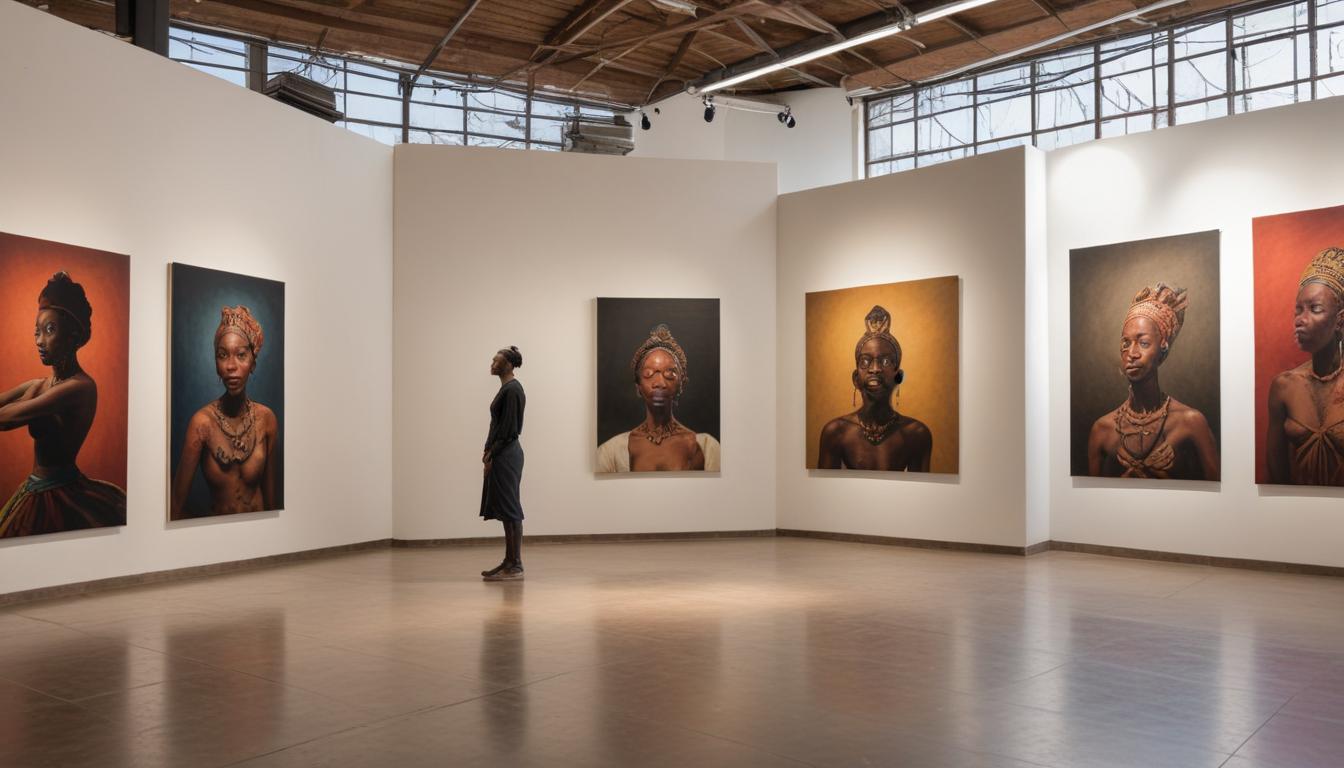
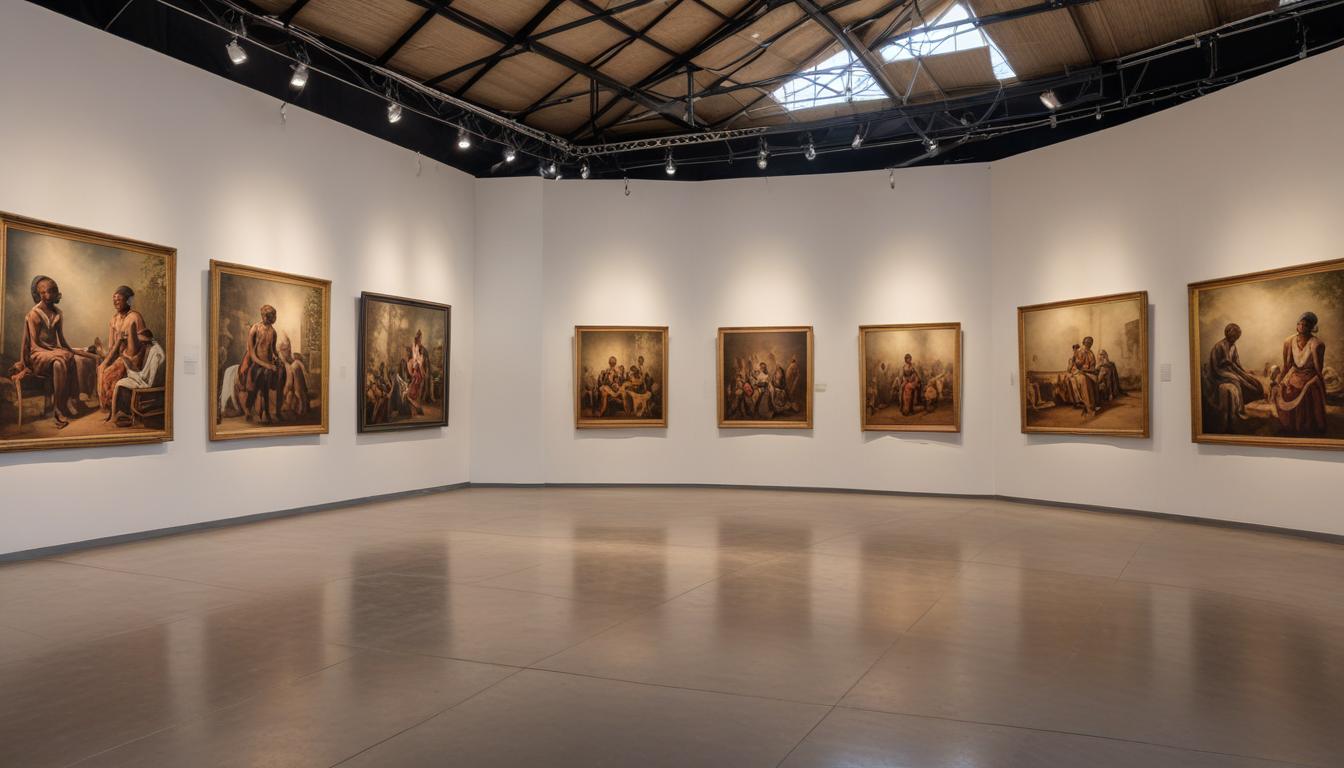
Walk through Braamfontein on a Friday evening and you'll hear it before you see it: the muffled crescendo of live performance bleeding through brick walls, the laughter spilling onto De Korte Street. This is Johannesburg's performing arts quarter experiencing a quiet revolution, one that's fundamentally reshaping how the city sees itself.
The transformation has been measurable. According to a 2025 Johannesburg Development Agency audit, theatre attendance across the city's major venues—the Market Theatre, Joburg Theatre, the Playhouse Company, and smaller independent spaces—grew by 34% over three years. More tellingly, local productions now account for 67% of programming, a dramatic shift from a decade ago when imported international work dominated stages.
The Market Theatre in Newtown remains the symbolic epicentre, its brutalist facade a monument to anti-apartheid resistance that now pulses with contemporary storytelling. But the real story is in the proliferation. Converted warehouses in Braamfontein now host experimental theatre collectives. The Joburg Theatre's R600-million renovation, completed in 2024, created dedicated spaces for local choreographers and playwrights. Smaller venues like Khaya Nyamazela Theatre and the Soweto Theatre have become genuine community anchors, not afterthoughts in the cultural hierarchy.
What's driving this isn't nostalgia or institutional duty. It's economic reality meeting creative hunger. A 2026 Wits University study found that the performing arts sector now employs over 4,200 people in greater Johannesburg—actors, technicians, writers, producers—with average annual earnings rising 18% since 2022. Young creatives, once forced to chase opportunities in Cape Town or London, are staying put. They're building careers here.
The identity shift runs deeper than economics. Theatre and film have become Johannesburg's primary language for processing its own contradictions. Productions grapple with inequality, xenophobia, urban decay, and aspiration with a rawness that feels distinctly local. International critics increasingly use words like "vital" and "urgent" when discussing work emerging from the city's stages.
This matters because for decades, Johannesburg struggled with a cultural inferiority complex. The city was perceived as economic powerhouse, not cultural innovator. But a generation of directors, playwrights, and performers has inverted that assumption. Johannesburg isn't importing identity anymore—it's exporting it.
That renaissance isn't complete. Funding remains precarious. Many venues operate on razor-thin margins. Accessibility—getting township audiences into city-centre theatres, making tickets affordable—remains unfinished business. Yet the momentum is undeniable. Johannesburg's stages are no longer reflecting the city. They're defining it.
This article was compiled by AI from the sources linked above and screened before publishing. See our editorial standards.