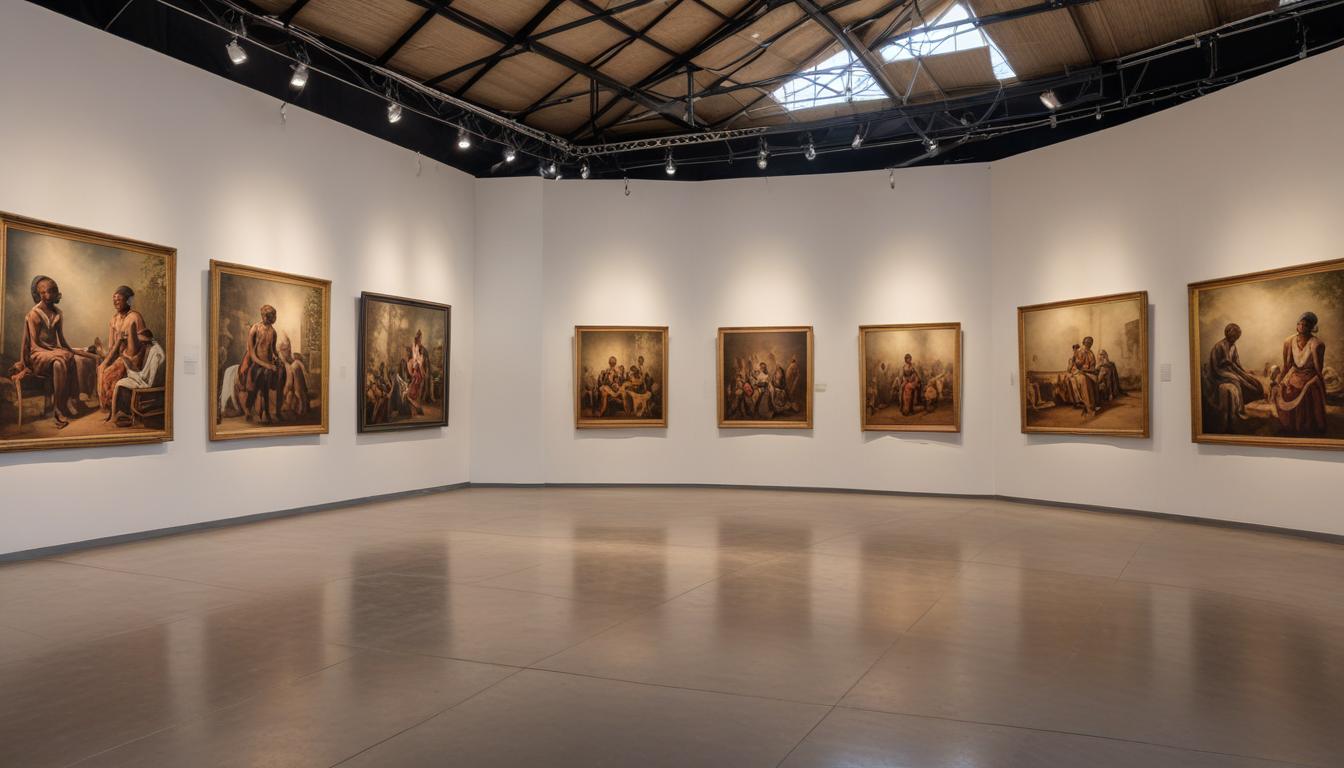
Johannesburg's cultural identity cannot be understood in a single visit—it demands curiosity, time, and a willingness to move beyond the northern suburbs. For first-time visitors, understanding the city means grappling with its contradictions: a metropolis built on gold mining wealth, shaped by apartheid's brutal geography, and now driven by creative communities reclaiming urban spaces.
Start in Soweto, the sprawling township that birthed South Africa's resistance movement. The Hector Pieterson Memorial and Museum on Khutsong Street documents the 1976 student uprising with unflinching clarity. Nearby, the Apartheid Museum on SOption Street—admission around R180 for adults—traces the country's darkest chapter through 22 exhibition halls. These aren't optional viewing for understanding Johannesburg; they're foundational.
The city's post-apartheid creative explosion centres on the Maboneng Precinct in the inner city. What was once a neglected industrial zone has transformed into galleries, studios, and performance venues. Overnight, Johannesburg became home to the Raw Materials art initiative and became a magnet for young South African artists. First Thursdays—the monthly street festival on the first Thursday of each month—draws thousands to gallery openings and street performances. Expect live music, food trucks, and a distinctly Johannesburg energy: cosmopolitan, slightly chaotic, genuinely creative.
Constitution Hill in Braamfontein offers another essential layer. This former prison complex, where both Nelson Mandela and Gandhi were held, now houses the Constitutional Court and museums. The building itself—incorporating the original prison structures into a gleaming modern complex—physically embodies South Africa's transformation.
Don't miss the Johannesburg Art Gallery in Joubert Park, housing over 10,000 artworks spanning South African and international collections. Admission is free, though donations support ongoing exhibitions. The surrounding precinct is undergoing revitalisation, with new restaurants and galleries opening monthly.
Practical matters: hire a guide or join organised tours rather than exploring alone—Johannesburg's geography rewards local knowledge. The Gautrain connects the city efficiently; a day ticket costs approximately R110. Most cultural sites cluster in downtown and Soweto, easily managed over three days.
What makes Johannesburg distinct isn't any single landmark, but rather the tension between its histories—mining wealth, liberation struggle, creative reinvention—existing simultaneously. Visitors who engage with this complexity leave understanding not just a city, but South Africa's ongoing conversation with itself.
This article was compiled by AI from the sources linked above and screened before publishing. See our editorial standards.