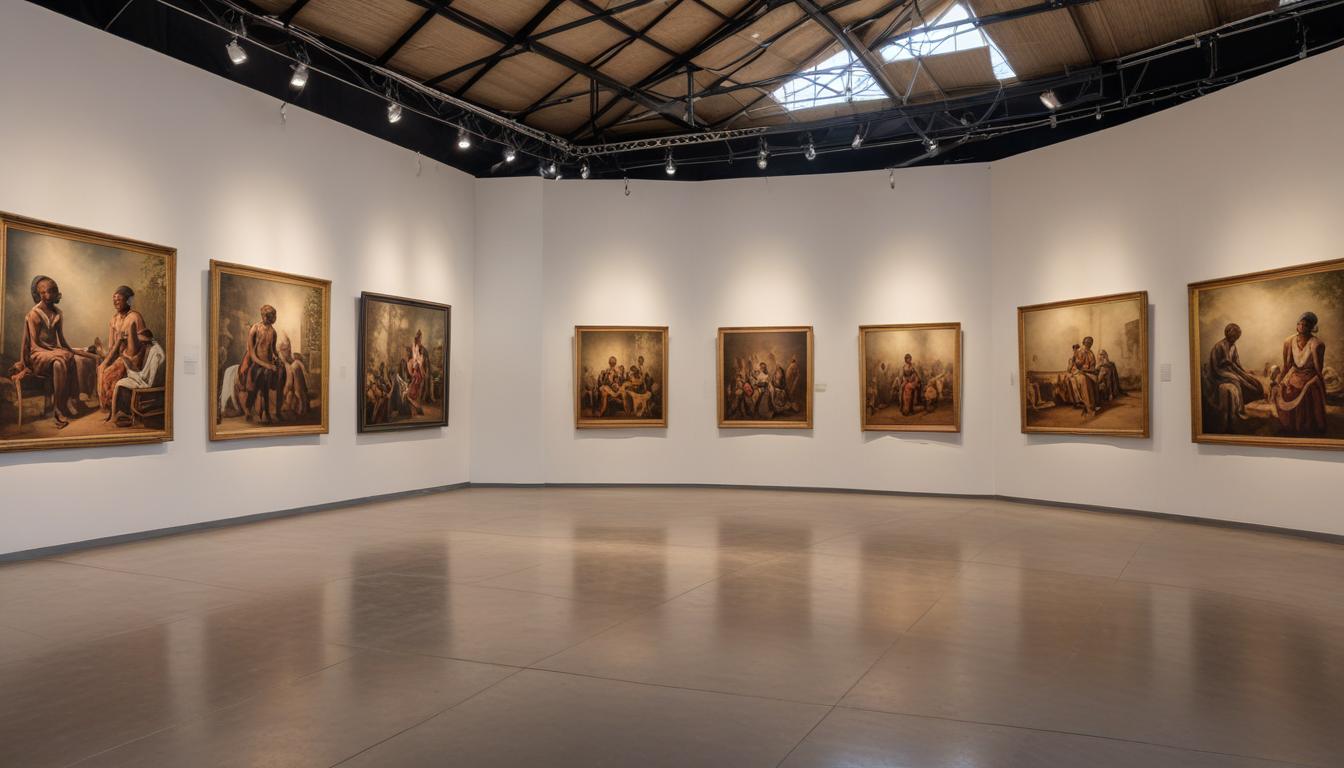
Walk through Maboneng Precinct on a Friday night and you'll notice something that felt unlikely just two years ago: queues outside venues. The Arts on Main, which has long hosted experimental theatre and art installations, has quietly become one of the city's most reliable live music destinations, with performances almost every weekend drawing crowds that spill onto the street. It's symptomatic of a broader shift happening across Johannesburg's entertainment landscape.
The numbers tell part of the story. According to the Johannesburg Tourism Company, live entertainment venues across the city recorded a 34% increase in attendance between early 2025 and mid-2026, with particular growth in the 25-40 demographic. What's driving this? Industry insiders point to a convergence of factors: improved security measures at key venues, better promotion through social media, and a generation of local musicians finally commanding audiences willing to pay venue prices that reflect production costs.
The diversity of the current offering is what's catching attention. Beyond Maboneng's indie and experimental scene, Braamfontein's Kitchens has established itself as the go-to for hip-hop and contemporary African music. Meanwhile, Soweto's vibrant township venues—long underestimated by mainstream coverage—are drawing younger audiences and international visitors alike. Even the traditionally quiet suburban circuit has erupted: the Montecasino Theatre and Carnival City are hosting larger touring acts, while smaller neighbourhood spots in areas like Sandton and Fourways have suddenly become viable venues.
Ticket prices have stabilised around R150-350 for local acts and R500-1,500 for international touring artists, making regular attendance feasible for working professionals. The emergence of venue-aggregator platforms and WhatsApp group listings has democratised information about what's happening, replacing the gatekeeping that once made Johannesburg's music scene feel fractured and insider-driven.
What locals are actually talking about, though, extends beyond economics. There's palpable relief that the city's cultural infrastructure—battered by the pandemic and years of underinvestment—is proving resilient. For a city often defined by its divisions and challenges, these venues represent something different: spaces where strangers voluntarily gather in the dark to share an experience.
Whether this momentum sustains depends on continued investment and the willingness of venues to take risks on emerging talent. But for now, on any given weekend, Johannesburg's live music map is fuller, messier, and more exciting than it's been in years.
This article was compiled by AI from the sources linked above and screened before publishing. See our editorial standards.