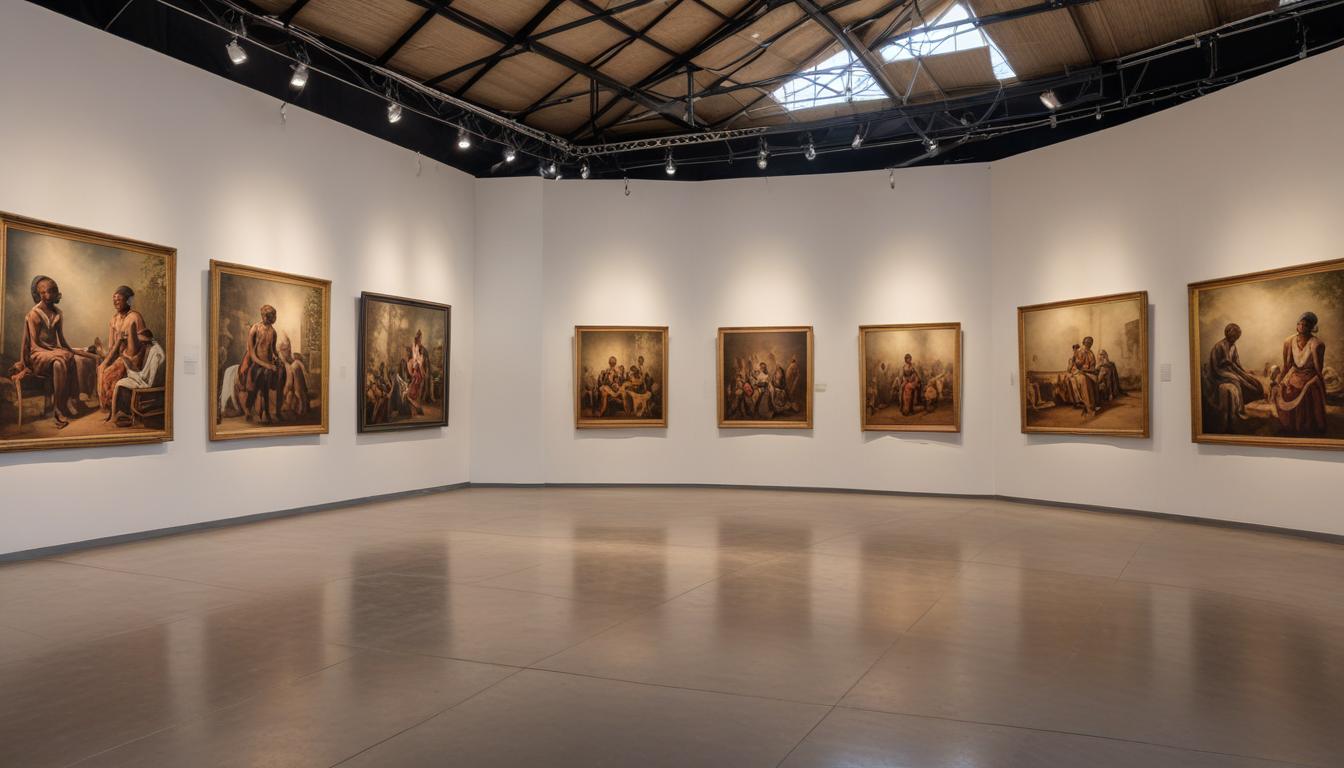
Reclaiming the Narrative: How Grassroots Movements Are Reshaping Johannesburg's Historical Identity
From Soweto to the inner city, community-led initiatives are rewriting the story of how Johannesburg sees itself—and who gets to tell it.
From Soweto to the inner city, community-led initiatives are rewriting the story of how Johannesburg sees itself—and who gets to tell it.
Walk through the corridors of the Apartheid Museum on Soros Road, and you'll encounter carefully curated narratives of struggle and resistance. But increasingly, Johannesburg's younger generation isn't waiting for institutional gatekeepers to validate their histories. Instead, grassroots collectives are mounting their own counter-narratives, transforming how the city understands its past and, crucially, who owns that understanding.
The shift is most visible in neighbourhoods like Maboneng, where cultural entrepreneurs have reclaimed abandoned industrial spaces as galleries and performance venues. But the real movement extends far beyond gentrified pockets. Groups like the Soweto Heritage Route collective—a volunteer-run initiative launched in 2023—have documented over 400 sites significant to anti-apartheid resistance, creating digital archives accessible via smartphone. The project costs participants nothing; funding comes through micro-grants and community fundraising.
"People were tired of waiting for someone else to tell their story," explains the ethos behind initiatives like these. Community members in Alexandra, Diepkloof, and Kliptown have begun leading their own heritage walks, charging nominal fees (typically R50-150 per person) that fund local schools and cultural centres rather than external tour operators.
This democratization reflects a broader cultural shift. The number of independently organised exhibitions and performances in township venues has nearly tripled since 2022, according to research by the Johannesburg Development Agency. Venues like the Market Photo Workshop in Newtown and smaller spaces in Orange Farm are increasingly programming work by local artists who centre Black and working-class narratives.
The movement isn't without tension. Some worry about commodification—that lived experience risks becoming consumable content. Others celebrate the economic opportunities: heritage tourism in Soweto alone generated an estimated R180 million in 2024, with a growing share flowing directly to community guides and local businesses rather than external corporations.
What's undeniable is the energy. Youth-led collectives are publishing zines about local history. Community historians are conducting oral interviews. Musicians are sampling archival recordings. The narrative shift reflects a generation insisting that Johannesburg's identity isn't something to be observed in a museum—it's something to be actively inhabited, interpreted, and owned by those who live it.
As the city approaches its 140th anniversary in 2026, these grassroots movements have already begun reframing the question from "What is Johannesburg's history?" to "Whose Johannesburg are we building?"
This article was compiled by AI from the sources linked above and screened before publishing. See our editorial standards.
How does this story make you feel?
Spread the word
About this article
Published by The Daily Johannesburg
Daily brief
Free, in your inbox before 7am. Weekdays.
More in culture