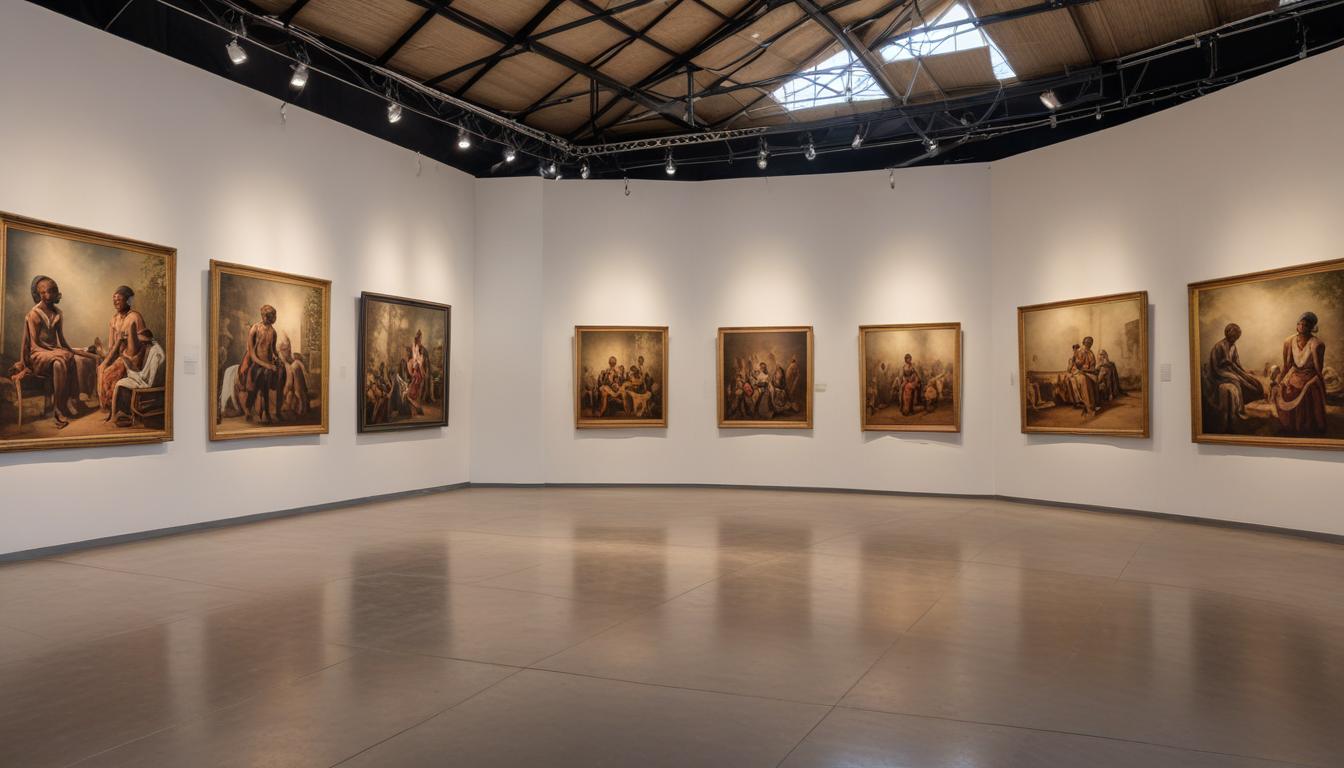
Walk through Newtown on a Friday evening and you'll witness a city in conversation with itself. Where mine shafts once dominated the skyline, galleries now pulse with experimental performance art. The transformation isn't accidental—it's the result of deliberate cultural reimagining that's reshaping how Johannesburg understands its own story.
For over a century, this metropolis was defined by gold. The mineral wealth that built skyscrapers and fortunes also created deep social fractures, segregation, and a particular kind of urban violence. Today, cultural institutions and independent creators are using that history not to escape it, but to interrogate it. The Apartheid Museum on SOption Street draws nearly 250,000 visitors annually, while smaller venues like Circa on Jellicoe Avenue have become incubators for artists exploring what it means to build a post-industrial identity.
The shift is visible in urban regeneration projects. The Maboneng Precinct, centred around Fox Street, has become a laboratory for cultural experimentation—though not without tension. Property values have surged while some longtime residents grapple with displacement. Yet the creative energy is undeniable: street art transforms blank walls into dialogues about identity, while venues like the Soweto Theatre programme work intentionally to ensure cultural production reflects the city's full demographic reality, not just its wealthiest neighbourhoods.
Heritage Month activations across the city reveal something deeper. Museums and grassroots organisations are moving beyond celebratory narratives. Exhibitions increasingly examine mining's human cost, the lived experiences of migrant workers, and how extraction shaped everything from urban layout to family structures. This critical engagement with history is becoming Johannesburg's cultural signature—a willingness to sit with discomfort rather than polish over it.
The economic implications matter too. Cultural tourism to heritage sites contributed an estimated R2.8 billion to Gauteng's economy in 2024, according to tourism boards. Young curators and artists are building careers on this foundation, though many work precarious freelance schedules that reflect broader arts funding challenges.
What's emerging is a creative identity rooted in complexity. Johannesburg isn't marketing itself as a post-racial utopia or a wholly renewed city. Instead, through museums, galleries, theatre groups, and street-level creativity, it's offering something more honest: a city actively wrestling with its past to imagine different futures. That authenticity—however painful—may be what ultimately defines its cultural currency in a world saturated with sanitised heritage narratives.
This article was compiled by AI from the sources linked above and screened before publishing. See our editorial standards.