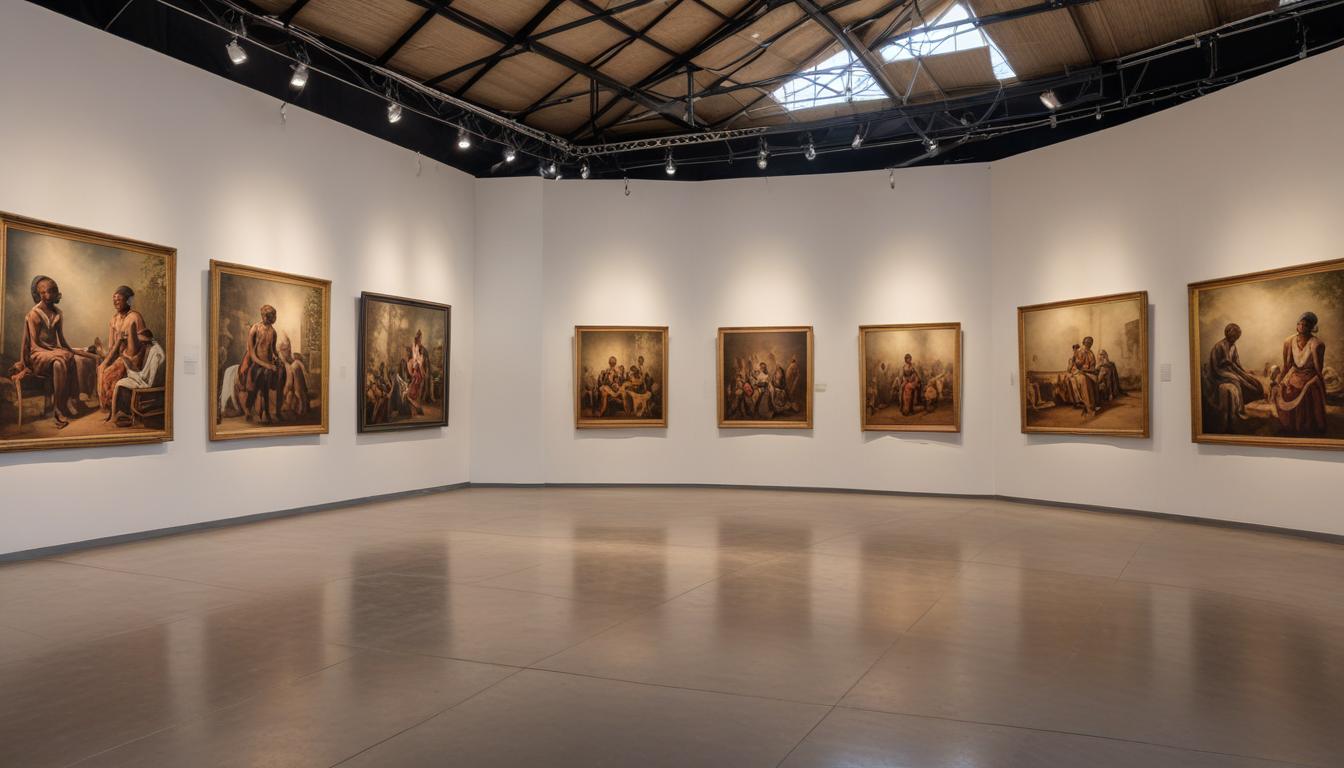
Walk into Arts on Main in Braamfontein on any given weekend and you'll witness a particular kind of creative electricity. The converted warehouse space, which draws roughly 8,000 visitors monthly across its galleries and performance venues, has become less of a destination and more of a discovery engine—a place where emerging talent doesn't wait for permission to be heard.
This is the new rhythm of Johannesburg's festival and events landscape. While established institutions like the Joburg Theatre and Apartheid Museum remain cultural anchors, a decentralised network of independent festivals, pop-up events, and neighbourhood-based celebrations is increasingly where the city's artistic future gets forged. The shift is unmistakable, and it's reshaping who gets a platform.
Consider the rising prominence of festivals in spaces that would've seemed unlikely five years ago. The Soweto Wine & Lifestyle Festival, now in its fourth year, has expanded to accommodate over 4,000 attendees, with emerging local vintners and craft producers getting equal billing alongside established names. Similarly, the Maboneng Precinct's monthly First Fridays—drawing crowds of 12,000-15,000—have become crucial testing grounds for musicians, visual artists, and performers still building their names.
"The infrastructure has democratised," explains a spokesperson from the Independent Arts Association of South Africa, an advocacy body tracking the city's grassroots cultural economy. "Venues like Circa on Eloff Street, the Basement in Newtown, and spaces in Fordsburg are no longer gatekeeping institutions. They're incubators."
The numbers reflect this shift. According to Johannesburg's Tourism and Events Strategy, non-major events now account for approximately 42% of the city's annual cultural calendar, up from 28% in 2021. Smaller, artist-led festivals—many charging entry fees between R80-R250—are pulling respectable crowds while maintaining artistic independence.
What's particularly notable is geographic distribution. While the northern suburbs hosted 61% of major events a decade ago, that concentration has shifted to inner-city corridors: Braamfontein, Newtown, Maboneng, and increasingly Soweto's cultural quarters. This distribution matters because it determines whose stories get amplified and whose audiences get built.
For emerging artists navigating a notoriously difficult creative economy, these festivals have become essential. Unlike traditional gatekeepers, they reward experimentation, community engagement, and authenticity over marketability alone. The next wave of Johannesburg's creative voices isn't waiting for Discovery Channel primetime slots. They're playing Braamfontein galleries, Soweto community centres, and Newtown basement venues—building movements, not just careers.
This article was compiled by AI from the sources linked above and screened before publishing. See our editorial standards.