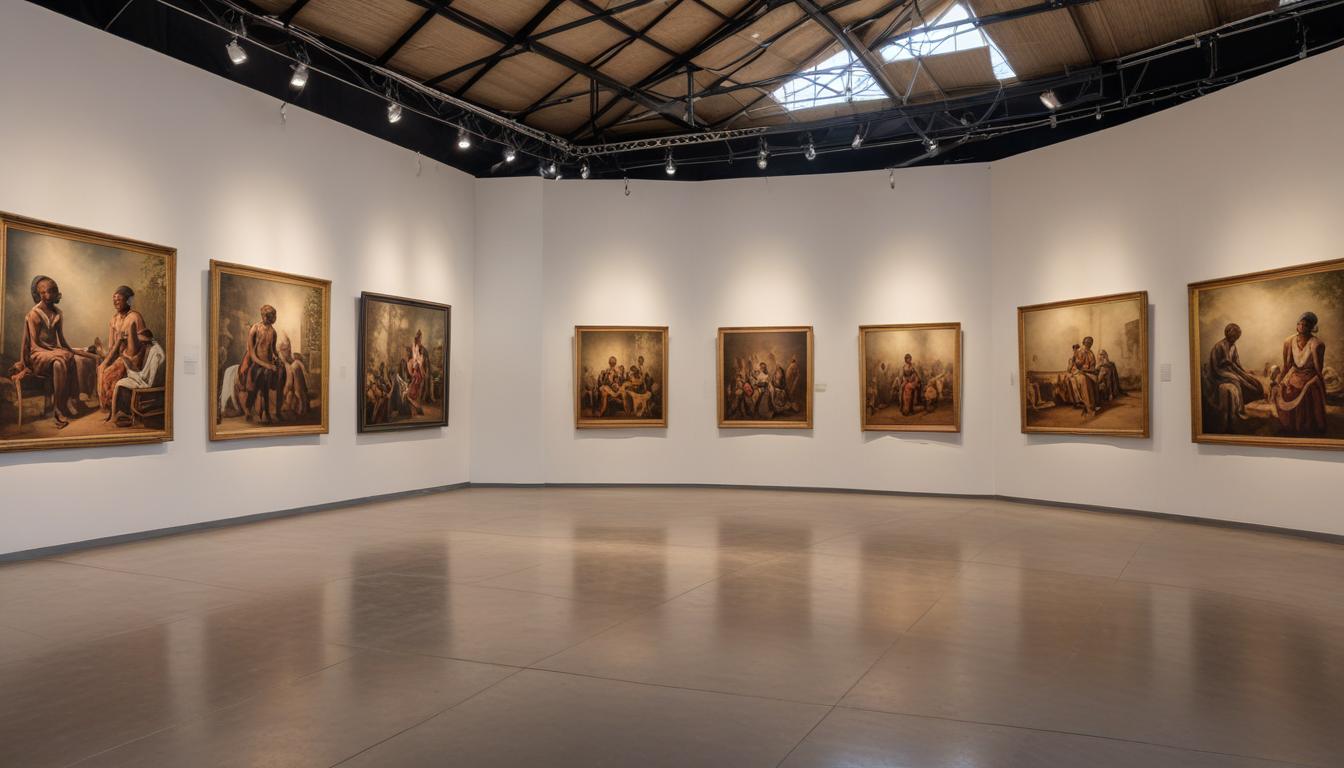
Walk through the Maboneng Precinct on a summer evening in 2026, and you'll encounter a festival or cultural event almost every weekend—rooftop markets, art installations, live music venues packed with thousands. This wasn't always the case. For most of the 2000s, Johannesburg's festival landscape was fragmented, informal, and largely invisible to mainstream media and international attention.
The transformation began quietly. Small community gatherings in Alexandra, Soweto, and Braamfontein—neighbourhood festivals born from grassroots organising rather than corporate sponsorship—laid the groundwork. Artists, musicians, and cultural activists used these spaces to build audiences and establish networks that would eventually shape the city's identity as a creative hub.
The turning point arrived around 2012-2015, when entrepreneurs and arts organisations recognised the commercial and cultural potential of consolidating these scattered events. The establishment of dedicated venues like The Lyric Theatre in Maboneng and the expansion of spaces in Newtown catalysed growth. By 2018, Johannesburg was hosting over forty significant festivals annually—a ninefold increase from 2008, according to the Johannesburg Development Agency's cultural audit.
Today's calendar reflects this maturation. The Joburg Fringe Festival, now spanning three weeks across multiple neighbourhoods, attracts performers and audiences from across Africa and beyond. The annual Encounters South African International Documentary Film Festival has become a continental benchmark. Meanwhile, heritage-focused events—like celebrations in Kliptown and the annual Freedom Square gatherings—have evolved from intimate community affairs into ticketed, professionally-managed productions drawing 5,000-plus attendees.
The economic impact is substantial. The festival sector generated an estimated R2.3 billion for the local economy in 2024, according to Johannesburg Tourism and Company data, with secondary spending in hospitality and retail. Yet critics note this growth has brought gentrification pressures, with rising venue costs in reclaimed areas pricing out independent artists and grassroots organisers.
Perhaps the most telling shift is diversification. While the 2000s festival calendar was dominated by music and theatre, today's offerings span visual arts, food culture, technology, and heritage preservation. The Soweto Wine Festival, unimaginable fifteen years ago, now rivals international events. Food Week Johannesburg has become a platform for township chefs and established restaurants alike.
The evolution reflects broader changes: Johannesburg's growing confidence as a cultural centre, improved infrastructure in traditionally neglected areas, and a new generation of organisers uninterested in reproducing apartheid-era divisions of cultural space. The city's festival calendar is no longer supplementary to Johannesburg's identity—it's become central to how residents and visitors experience the place.
This article was compiled by AI from the sources linked above and screened before publishing. See our editorial standards.