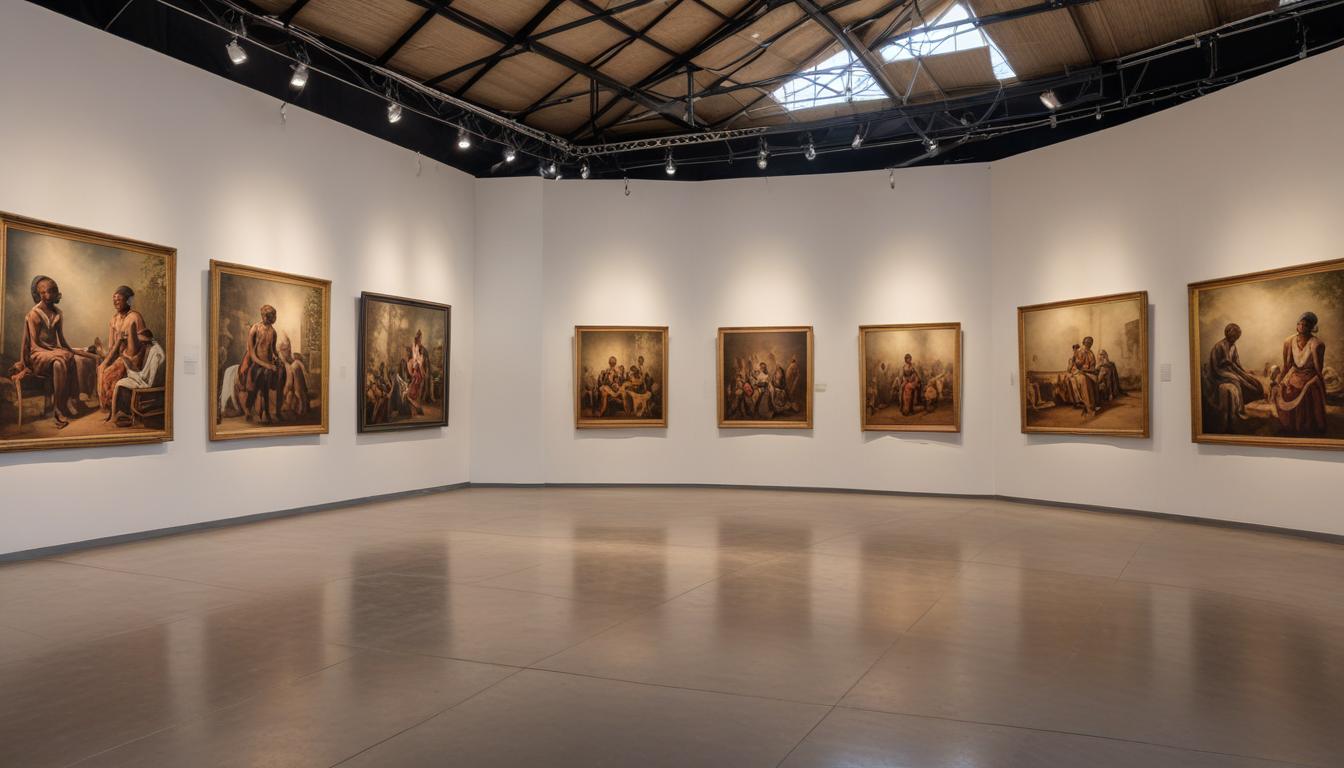
Walk through Maboneng's brick-lined streets on a Friday evening, and you'll find galleries spilling onto pavements, artists explaining their work to curious crowds, and the smell of fresh paint mingling with craft coffee. But this thriving cultural ecosystem didn't materialise overnight. Behind every converted warehouse and curated exhibition lies a story of stubborn belief in a city many had written off.
The origins trace back roughly 15 years, when property developers and artists began seeing potential in Johannesburg's abandoned industrial corridors. Neighbourhoods like Maboneng and Newtown—once economic wastelands—became laboratories for cultural regeneration. Gallery owners, curators, and independent artists took enormous financial risks, often operating at losses for years. Many invested their own savings into securing leases on deteriorating buildings, installing basic electricity, and creating safe exhibition spaces in areas considered dangerous by mainstream perception.
Today, the numbers tell a different story. Johannesburg now hosts approximately 80 registered contemporary art galleries, with clusters of independent spaces operating across the inner city. The Maboneng Precinct alone attracts an estimated 15,000 visitors monthly during peak seasons. Museums like the Apartheid Museum and Soweto's Hector Pieterson Memorial continue drawing international audiences, while smaller institutions like the Goodman Gallery and Stevenson have positioned South African artists on the global stage.
The journey hasn't been linear. Early gallerists faced infrastructure challenges—unreliable electricity, security concerns, and limited foot traffic. Many worked second jobs to sustain their galleries. Artists struggled with modest sales; some pieces went unsold for years. Yet these pioneers persisted, gradually building credibility through word-of-mouth, social media, and international art fair participation. By the early 2020s, their conviction had transformed perceptions, attracting younger curators, emerging artists, and tourists seeking authentic cultural experiences beyond the usual corporate venues.
This month, with winter bringing cooler evenings, gallery-goers are returning in numbers. First Thursday art walks—informal neighbourhood tours held on the first Thursday of each month—continue drawing crowds to Maboneng and surrounding areas. Entry to most galleries remains free, though average artwork pricing ranges from R5,000 to R500,000, catering to diverse collectors.
The story of Johannesburg's art scene is ultimately one of collective resilience. It required individuals willing to see potential where others saw decay, to invest time and capital into unmapped territory, and to believe that culture could catalyse urban transformation. These gallerists and curators didn't just create exhibition spaces—they reconstructed how Johannesburg sees itself.
This article was compiled by AI from the sources linked above and screened before publishing. See our editorial standards.