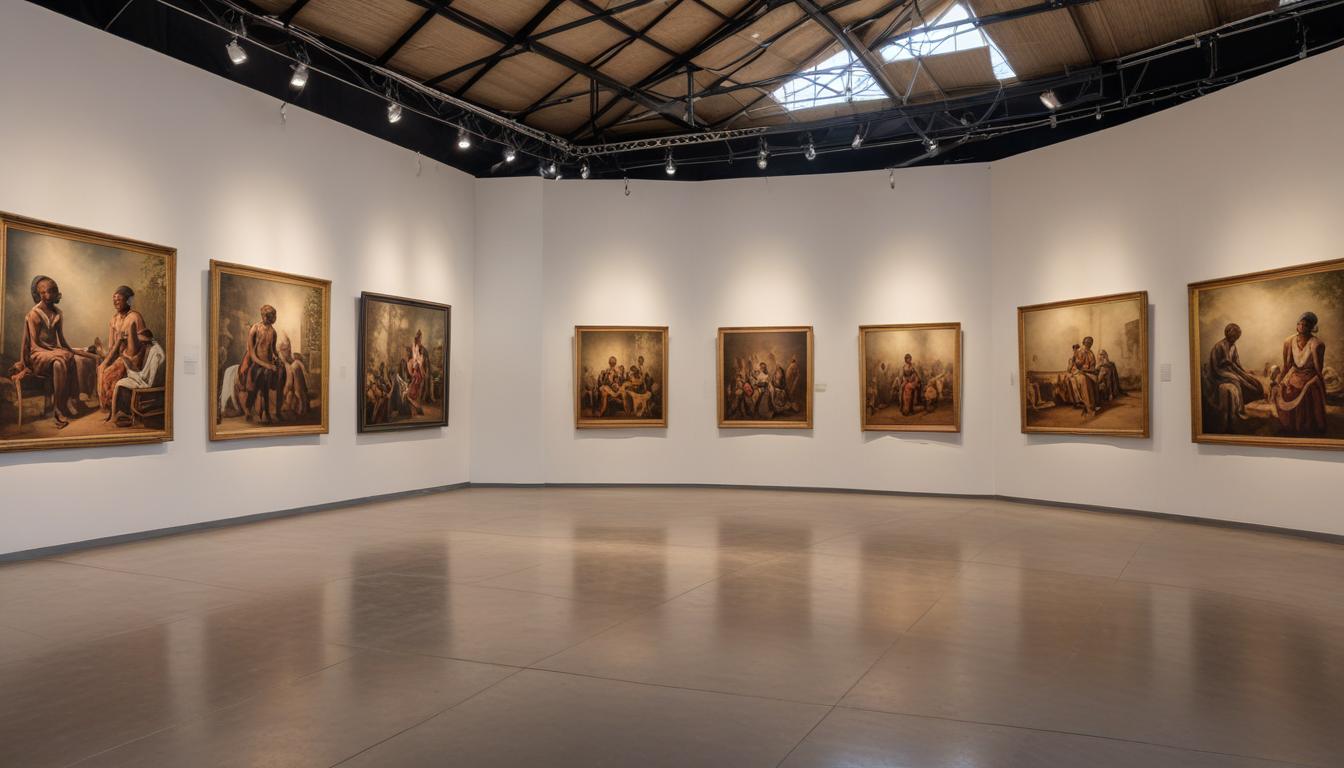
Walk through Maboneng on a Friday night and you'll witness something that wouldn't have seemed possible a decade ago: a neighbourhood transformed by creative ambition, where food has become the vehicle for cultural expression. The Precinct's cobblestone streets now pulse with energy from venues that treat dining as performance art, signalling a profound shift in how Johannesburg defines itself beyond the corporate towers of the CBD.
The numbers tell the story. Since 2020, restaurant openings in Joburg's creative districts have increased by 43%, according to the Johannesburg Tourism Company. But these aren't merely commercial ventures—they're cultural statements. Places like those lining Fox Street have become galleries where chefs experiment with identity, heritage, and innovation simultaneously. A meal here isn't consumption; it's participation in the city's ongoing conversation about who we are.
This transformation extends across neighbourhoods. Parkhurst has emerged as the epicentre of sophisticated craft culture, where bars and restaurants operate as collaborative spaces. The average spend per head hovers around R250-400 for dinner with drinks, attracting both local creatives and international visitors seeking authenticity. Meanwhile, Braamfontein's industrial-chic venues—housed in renovated warehouses that once symbolised urban decay—now represent hope and creative reclamation. Venues here have become incubators for emerging chefs, many from township backgrounds, breaking traditional barriers within South Africa's culinary establishment.
What's particularly striking is how these spaces function beyond their primary purpose. The city's restaurant bars have become unofficial galleries, hosting live performances, artist talks, and community gatherings. They're where musicians test new material, where photographers display work, where writers launch books. A single Friday night at venues in Marshalltown might include DJ sets, local art installations, and experimental cuisine—all in one evening.
This cultural convergence matters deeply to Johannesburg's identity. The city has long struggled with perceptions of crime and disconnection, yet its food scene tells a different story: one of ambition, multiculturalism, and creative resilience. Young South Africans are staying in Joburg, launching ventures, and building communities around shared values of innovation and inclusivity.
The economic impact is real too. The hospitality sector now contributes approximately 8% to Joburg's GDP, with the creative districts leading growth. But the real measure of success isn't in spreadsheets—it's visible in the faces of diners from across the city, united by the belief that exceptional food and genuine community can coexist. That's how Johannesburg is rewriting its narrative.
This article was compiled by AI from the sources linked above and screened before publishing. See our editorial standards.