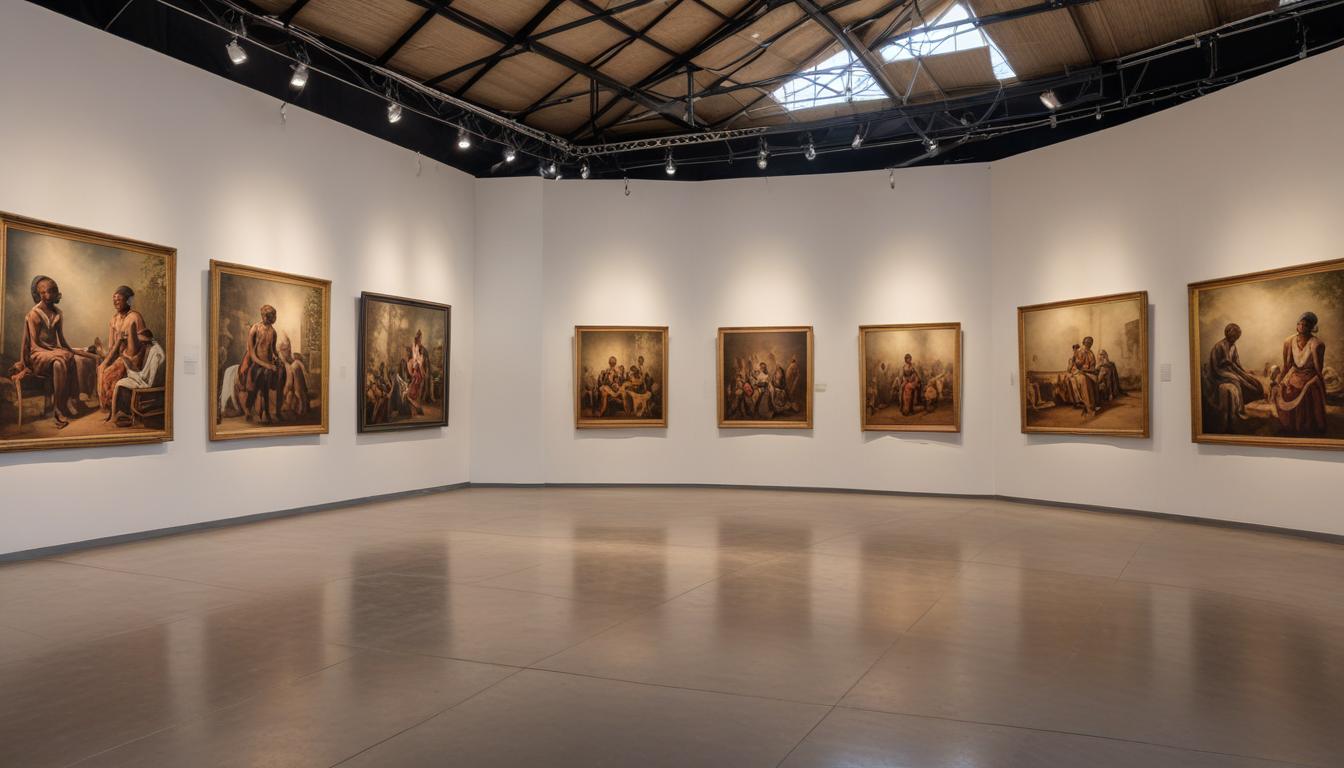
Walk through Maboneng today and you'll encounter the smell of fresh coffee at Sneaky Crocodile, the thrum of live jazz drifting from venues along Fox Street, and murals that have become Instagram destinations for visitors worldwide. But fifteen years ago, this pocket of the inner city was a no-go zone—boarded windows, abandoned buildings, and a reputation that made property investors nervous.
The transformation didn't happen by accident. It was orchestrated by a coalition of creatives, entrepreneurs and heritage activists who saw potential where others saw risk. "This precinct needed a narrative," explains a representative from the Maboneng Precinct Trust, an organisation that has guided the neighbourhood's evolution since 2008. What emerged was a deliberate strategy: invite artists first, convert abandoned warehouses into loft apartments and studios, create pedestrian-friendly public spaces, and ground everything in Johannesburg's complex history.
The numbers tell the story. Property prices in Maboneng have increased by approximately 400% since 2010. Annual foot traffic through the Sunday Neighbour Goods Market on Kruger Street now exceeds 50,000 visitors. More than 200 formal businesses now operate in the precinct, from galleries like Blank Canvas and Circa to restaurants and design studios that simply didn't exist two decades ago.
But the real architects of this scene were individuals willing to take financial risks and cultural risks simultaneously. Photographers, sculptors, and performance artists who opened pop-up exhibitions in empty buildings. Restaurateurs who saw potential in converting industrial spaces. Property owners who trusted the vision enough to lease space at below-market rates to creative practitioners. Local historians who ensured that the precinct's origins—as a manufacturing and trading hub, as a site of struggle and resistance during apartheid—weren't erased by gentrification.
Today, Maboneng hosts the annual Design Indaba, draws international art collectors, and functions as proof that urban renewal rooted in creative culture rather than corporate development can work. The surrounding Johannesburg Heritage Route, linking Constitution Hill to the Apartheid Museum, has become integral to visitor itineraries.
What makes Maboneng's story distinct isn't just its aesthetic transformation. It's that the people who created it chose to embed local history—through heritage plaques, curated exhibitions, and community programming—into the fabric of the scene itself. They built something with memory attached.
This article was compiled by AI from the sources linked above and screened before publishing. See our editorial standards.