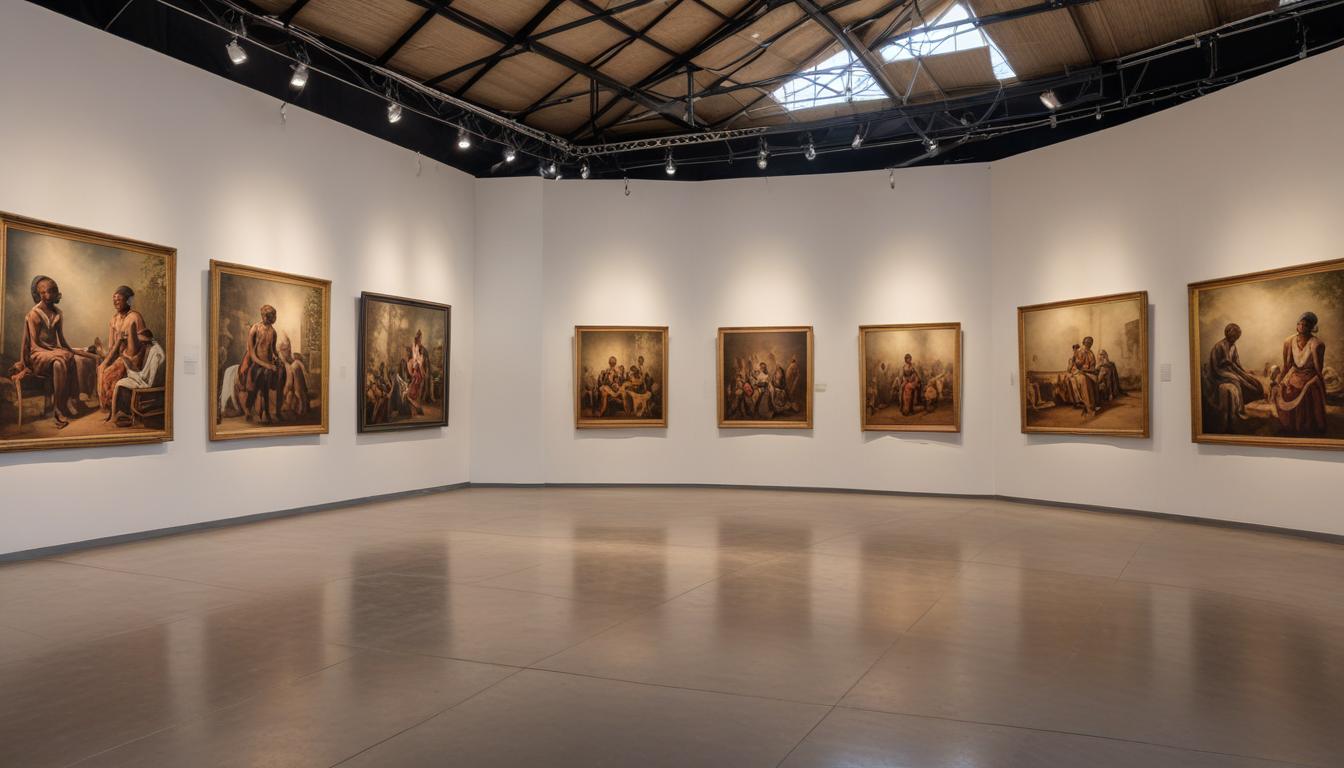
Walk through Maboneng Precinct on a Friday evening and you'll encounter what appears to be spontaneous urban vitality: gallery-hoppers clutching wine glasses, street performers on Fox Street, young creatives spilling from studio spaces. The scene feels inevitable, almost inevitable. It wasn't.
Behind Johannesburg's transformation into a continental art hub stands a network of visionaries who gambled on neighbourhoods others had written off. In the early 2000s, when Maboneng was a collection of abandoned factories and crumbling buildings, developer Jonathan Liebmann's decision to convert industrial spaces into galleries and studios was considered reckless by many peers in the property sector. Today, the precinct hosts over 40 galleries, studios and creative businesses, drawing an estimated 50,000 visitors monthly.
"The risk wasn't financial—it was cultural," explains one longtime Maboneng gallerist, speaking on the condition of anonymity. "We didn't know if Johannesburg was ready to see itself as an art city."
Parallel to Maboneng's rise, the Keyes Art Mile along Keyes Avenue in Doornfontein emerged through a different model—one centred on institutional credibility. The Goodman Gallery, established in 1966 and relocated to this precinct, became an anchor tenant that legitimised the area's cultural ambitions. By 2015, the mile housed the Stevenson gallery, Thuso Thebe Contemporary, and others, creating what curators describe as an "ecosystem" rather than a strip.
Museums too transformed their founding narratives. The Apartheid Museum, opened in 2002 with backing from private collectors and the Ford Foundation, employed a curatorial approach that centred Black South African voices—a deliberate break from earlier institutional silence. The Johannesburg Development Agency's investment in these cultural nodes wasn't purely philanthropic; it recognised that galleries could anchor urban renewal and generate property value.
Today's challenges reveal this history's fragility. Rising commercial rents now threaten smaller galleries, forcing relocations to Fordsburg and other emerging areas. The 2020 pandemic shutdowns disproportionately affected independent spaces lacking institutional endowments. Yet the infrastructure remains: over 150 galleries operate across the city, with annual art fair attendance approaching 100,000.
The story of Johannesburg's art scene belongs not to any single visionary, but to property developers willing to lose money, curators who staked reputations on emerging artists, collectors who bought South African work when overseas markets ignored it, and municipal officials who recognised culture as infrastructure. Their gamble—that a post-industrial city could become a continental cultural capital—appears vindicated.
This article was compiled by AI from the sources linked above and screened before publishing. See our editorial standards.