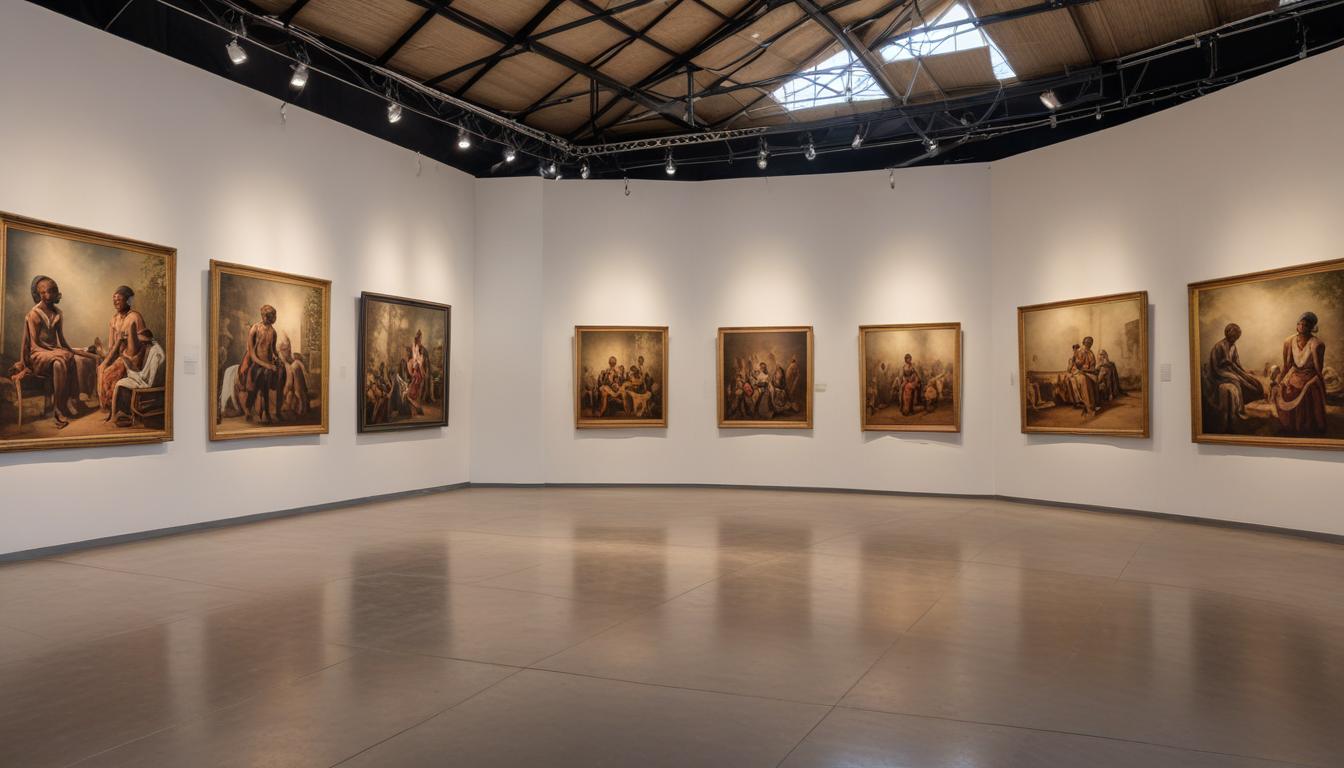
Walk through Maboneng on a Friday evening and you'll encounter the unmistakable energy of a city reclaiming its cultural narrative. The Soweto Theatre's expansion into the precinct, alongside long-established venues like the Market Theatre in Newtown, signals something profound: Johannesburg is no longer outsourcing its creative identity. It's building it from the ground up, one performance at a time.
The numbers tell a compelling story. Over the past three years, independent theatre spaces in Johannesburg have increased by roughly 40%, according to industry observers tracking the sector. From the experimental stages of the Joburg Theatre in Braamfontein to intimate black-box productions in Melville's converted warehouses, the city has witnessed a democratisation of performance space that reflects its larger social transformation.
What's driving this renaissance? Partly, it's economic necessity—lower overheads and community support have made independent theatre viable. But it's also something deeper: a hunger for stories that reflect Johannesburg's actual texture. The city's film and theatre ecosystems are increasingly intertwined, with productions like the recent documentary work emerging from the Bioscope collective on Claim Street drawing audiences who crave narratives rooted in local experience rather than imported entertainment.
The performing arts scene has become the city's most authentic mirror. Unlike the corporate cultural institutions of previous decades, today's theatre venues are positioned directly within neighbourhoods—in Fordsburg, Hillbrow, Parkhurst, and Kensington—making culture accessible and embedded in daily life. Ticket prices, typically ranging from R80 to R250 for independent productions, reflect this democratisation compared to international touring shows.
Consider the impact of this shift on identity formation. Young Johannesburgers now have local stages where they can see themselves represented without waiting for London or New York to validate their stories. The proliferation of devised theatre, collaborative film projects, and genre-bending performances has created a distinctly Johannesburg aesthetic—one that's irreverent, multilingual, and unapologetically rooted in the city's complex history.
The Joburg Film Festival and similar initiatives have further cemented this position, attracting international attention while remaining fundamentally committed to South African voices. This isn't nostalgia or reconstruction; it's active cultural creation happening in real-time across the city's creative corridors.
As Johannesburg continues navigating its post-industrial identity, the theatre lights burning across its neighbourhoods illuminate something essential: a city is more than its economy or its geography. It's defined by the stories its people tell about themselves, and right now, those stories are being staged, screened, and celebrated in venues that belong to Johannesburg itself.
This article was compiled by AI from the sources linked above and screened before publishing. See our editorial standards.