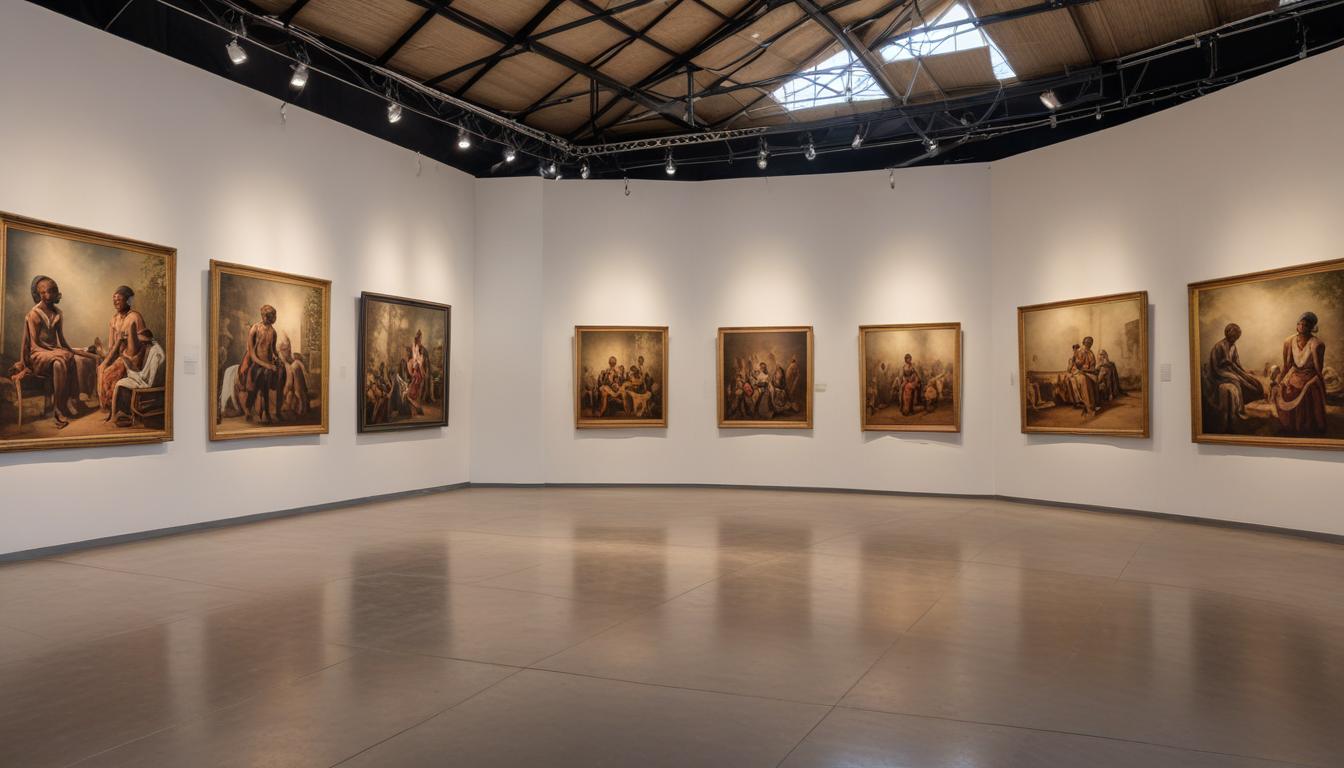
From Shebeens to Galleries: How Johannesburg's Cultural Heart Evolved Across a Century
A journey through Maboneng, Soweto and the inner city reveals how this metropolis transformed its creative identity while honouring deep-rooted traditions.
A journey through Maboneng, Soweto and the inner city reveals how this metropolis transformed its creative identity while honouring deep-rooted traditions.
Walk down Commissioner Street today and you'll find art galleries nestled between heritage buildings that once housed gold-rush traders. This transformation—from colonial outpost to Africa's creative capital—defines Johannesburg's cultural evolution, a story written across neighbourhoods that refused to be forgotten.
In the early 1900s, Johannesburg's cultural scene centred on working-class spaces. Shebeens in Sophiatown and Doornfontein became the city's first true cultural incubators, where jazz musicians like Hugh Masekela and Miriam Makeba developed their craft amid township creativity. These weren't venues—they were survival, resistance and artistic expression woven together. Today, institutions like the Soweto Theatre and the Hector Pieterson Museum preserve that legacy, attracting over 45,000 visitors annually.
The 1980s and 90s marked a second evolution. As apartheid crumbled, Johannesburg's inner city—particularly the Maboneng Precinct—became a canvas for reimagination. What was once a neglected industrial area transformed into a cultural hub. The Tuts Urban Art Project, established in the early 2000s, turned blank walls into galleries. Today, Maboneng's street art draws photographers and cultural tourists, with studio rental prices now reaching R8,500 monthly—a stark contrast to the abandoned warehouses of twenty years ago.
Heritage organisations have become custodians of this narrative. The Johannesburg Development Agency's inner-city regeneration projects, alongside grassroots movements like the Maboneng Improvement District, have created spaces where history and modernity coexist. The Market Theatre, operating since 1976, remains a flagship institution, producing work that interrogates identity and belonging.
Yet this evolution hasn't been linear or painless. Gentrification threatens the very communities that birthed Johannesburg's cultural identity. Long-time residents of Soweto face rising property taxes; informal cultural practitioners compete with corporate-backed initiatives. The tension between preservation and progress defines contemporary cultural debates across Braamfontein, Newtown and Alexandra.
What's emerged is a uniquely Johannesburg cultural consciousness—one that refuses singular narratives. Whether in the Freedom Square murals of Kliptown, the experimental theatre of Newtown's Market Labs, or the house music still echoing from converted Hillbrow spaces, this city's creative evolution reflects its inhabitants' resilience.
As Johannesburg approaches its 140th anniversary next year, its cultural institutions face a choice: curate heritage as museum pieces, or continue evolving it as living practice. The city's history suggests Johannesburg has always done both—remembering while reinventing, honouring while transforming.
This article was compiled by AI from the sources linked above and screened before publishing. See our editorial standards.
How does this story make you feel?
Spread the word
About this article
Published by The Daily Johannesburg
Daily brief
Free, in your inbox before 7am. Weekdays.
More in culture