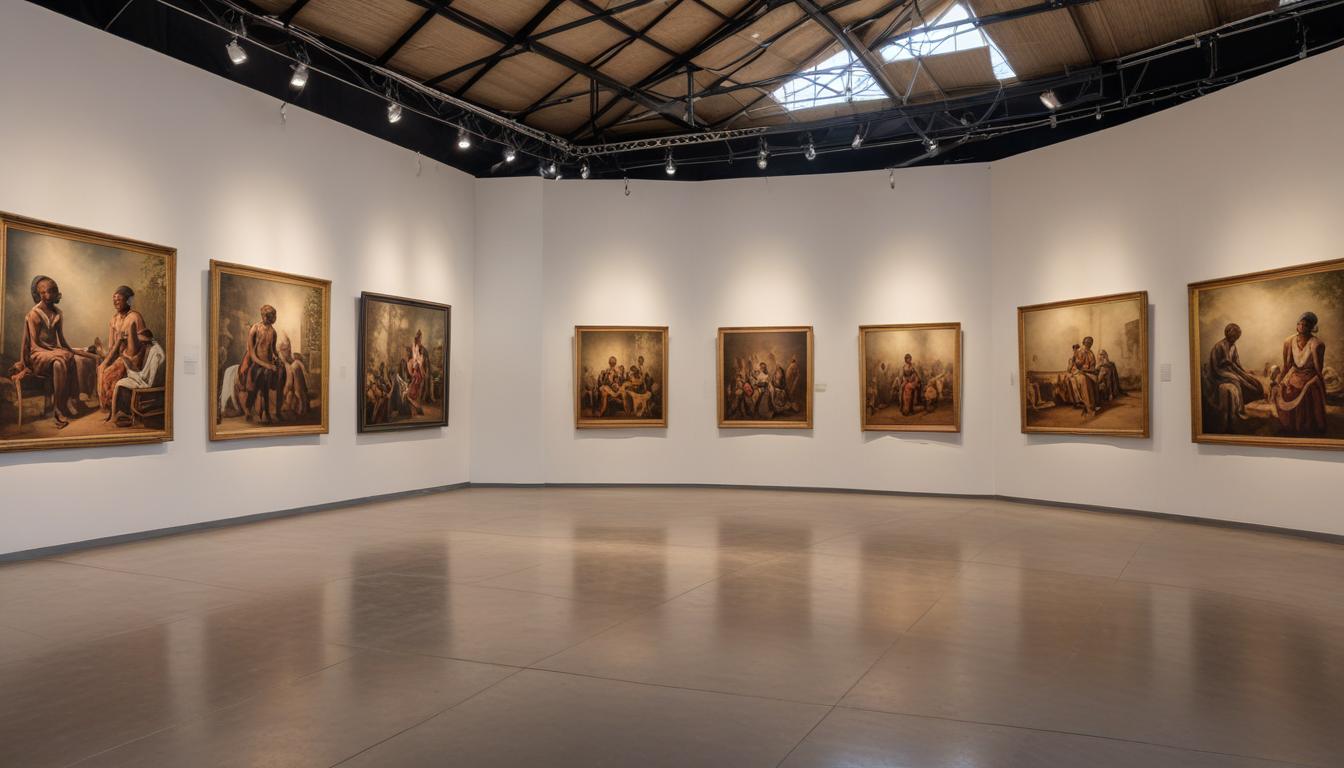
Walk through Braamfontein on any given weekend and you'll witness a cultural renaissance that would have seemed unlikely five years ago. The transformation isn't driven by major corporations or government bodies—it's emerging from a network of independent collectives, neighbourhood associations, and young creatives who've decided that Johannesburg's festival calendar should reflect its actual citizens, not just wealthy patrons.
This shift became undeniable during the recent Maboneng Precinct expansion, where grassroots organisers successfully lobbied for dedicated community programming alongside commercial events. What started as informal street markets has evolved into structured quarterly festivals drawing upwards of 15,000 people. The economics tell the story: entry fees hover around R80-120, keeping events accessible to working-class Johannesburgers rather than pricing out the very communities these neighbourhoods depend on.
Groups like the Soweto Arts Collective and the newly formed East City Creative Network have become the real architects of change. Rather than waiting for invitations to established cultural institutions, they've created their own platforms. The East City Market—held monthly on Stiemens Street—has grown from a 200-person gathering in 2023 to hosting over 3,000 vendors and visitors, generating estimated annual economic activity of R2.8 million for local traders.
What distinguishes this movement is its deliberate decentring of Sandton and the northern suburbs as Johannesburg's cultural epicentre. Festivals now rotate through Braamfontein, Maboneng, Newtown, and increasingly into Soweto and Alexandra, ensuring that cultural participation isn't contingent on geography or transport costs. The biannual Newtown Junction Festival, organised entirely by local residents, explicitly reserves 40 percent of vendor spaces for township-based artists.
The data reflects this democratisation. A recent survey by the Johannesburg Development Agency found that 67 percent of festival attendees come from within a 5km radius of host venues, compared to 34 percent just three years ago—suggesting these events are genuinely serving their immediate communities rather than functioning as tourist attractions.
Perhaps most significantly, organisers have moved beyond seeking permission. They're building sustainable infrastructure: dedicated WhatsApp networks for vendor coordination, collaborative insurance schemes, and profit-sharing models that ensure artists retain earnings. By refusing the traditional sponsorship model, they've created something more resilient—and more authentically Johannesburg.
This isn't a story of culture becoming more accessible. It's a story of communities insisting on representation within their own city's narrative.
This article was compiled by AI from the sources linked above and screened before publishing. See our editorial standards.