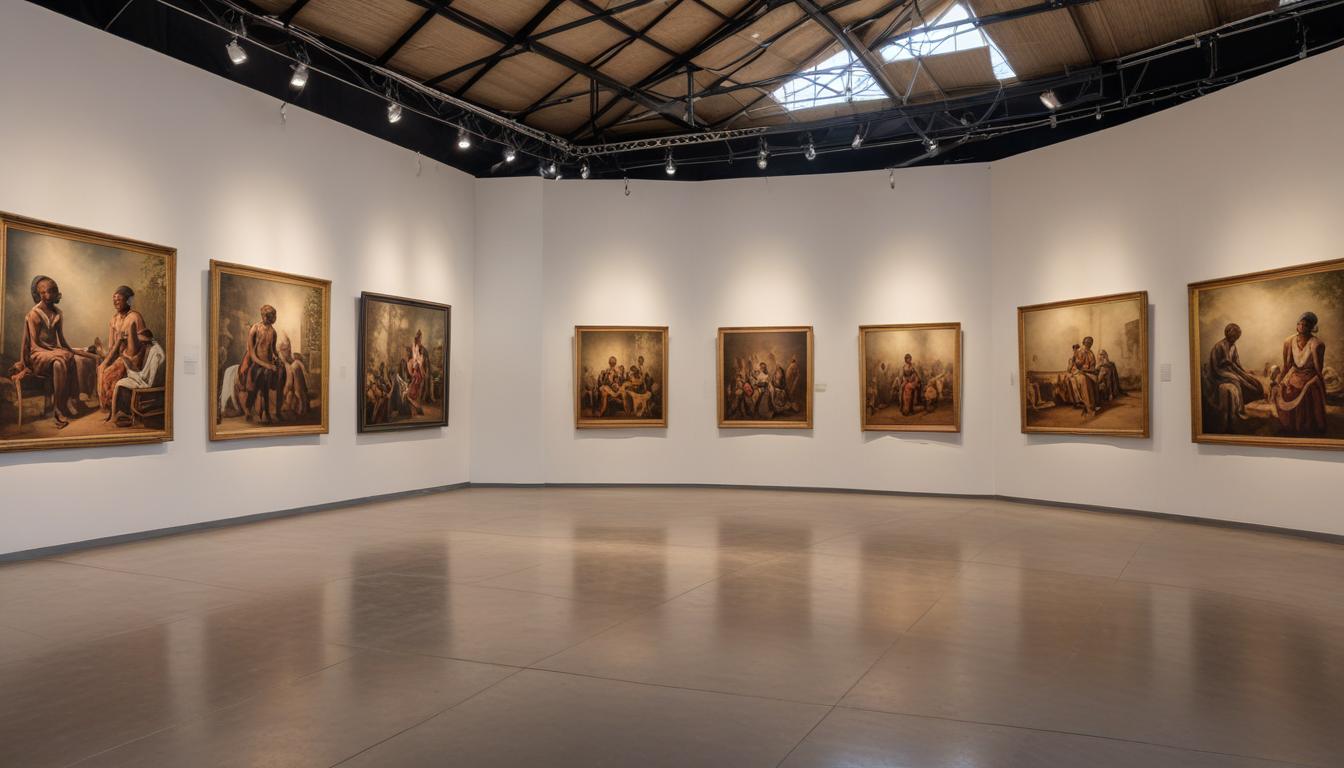
Walk into the Braamfontein precinct on any Friday evening and you'll find a creative ferment that barely existed five years ago. Small theatres, indie production hubs and artist collectives have quietly colonised the converted warehouses and repurposed office blocks between Smit Street and Fox Street, creating an archipelago of spaces where emerging talent is no longer waiting for permission from established institutions.
The shift is palpable. Where Johannesburg's theatre world once revolved around the Market Theatre and Joburg Theatre as almost exclusive gateways, a decentralised ecosystem now thrives across Maboneng, Newtown and the City Bowl. Independent production companies have grown from single-digit operations in 2020 to more than forty registered theatre and film collectives by last year, according to the Johannesburg Theatre Producers Network.
What's driving this change? Partly economics—rents in emerging areas remain manageable, allowing young artists to build sustainable practices without corporate backing. Partly technology: streaming platforms and social media have created alternative pathways to visibility that bypass traditional reviewers and bookers. And partly a generational impatience with gatekeeping. Young South African creatives, particularly those from township and previously marginalised communities, are no longer content waiting for invitations.
The work itself tells the story. Recent seasons have featured provocative new plays interrogating land, identity and memory—narratives that feel urgently local yet speak to universal anxieties. Feature films shot by first-time directors in Soweto, Diepsloot and Alexandra have premiered at international festivals before playing at home, shifting the presumed hierarchy of whose stories matter.
Ticket prices remain accessible: independent theatre productions typically cost R80-150, undercutting commercial venues and widening who gets access. Several collectives operate on pay-what-you-can models for community performances, deliberately building audiences beyond the usual middleclass theatre demographic.
Not everything is smooth. Funding remains precarious—most emerging producers still cobble together money through grants, crowdfunding and day jobs. Arts subsidies have not kept pace with demand. Many talented individuals burn out before their work reaches critical mass.
Yet the infrastructure exists now in ways it didn't before. Mentorship networks connect emerging directors with established practitioners. Shared studio spaces reduce isolation. International collaborations bring resources and visibility. The question is no longer whether new voices will emerge—they already have. The real story is whether Johannesburg's cultural institutions will move quickly enough to invest in nurturing them properly, before the talent pipeline redirects toward more supportive cities.
This article was compiled by AI from the sources linked above and screened before publishing. See our editorial standards.