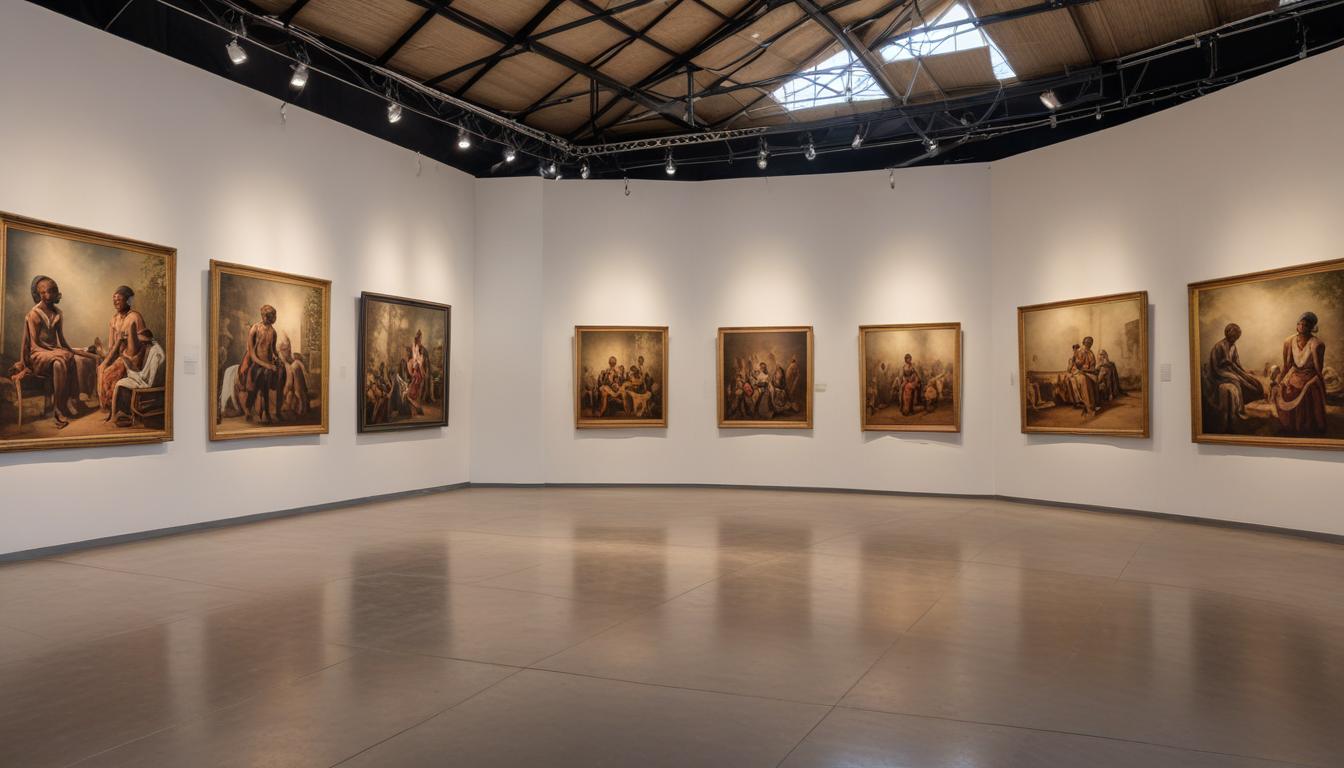
Walk through the Newtown Cultural Precinct on a Saturday afternoon and you'll encounter something quietly radical: a city actively rewriting its own story. The shift isn't coming from top-down heritage institutions or corporate sponsors. Instead, it's emerging from neighbourhood collectives, artist cooperatives, and community groups who've decided that Johannesburg's cultural identity belongs in the hands of those who live it.
Over the past three years, organisations like the Johannesburg Development Agency-supported initiatives in Braamfontein and independent collectives operating from converted warehouses in the City Deep have fundamentally altered how locals engage with their heritage. What began as grassroots documentary projects and oral history workshops—many operating on budgets under R50,000 annually—has evolved into a movement that's challenging conventional museum narratives and suburban amnesia about inner-city life.
"We're not waiting for permission," explains the ethos shared across these spaces, where volunteers digitise old photographs, host intergenerational storytelling sessions, and create immersive installations in streets like Fox and Kotze. The Maboneng Precinct's transformation demonstrates this principle: what was once largely abandoned industrial space has become a hub where performance art, heritage walks, and community archives operate alongside galleries and restaurants, drawing approximately 2,000 weekly visitors.
The movement's strength lies in its specificity. Rather than generic South African narratives, groups are documenting the particular texture of Johannesburg life: the Indian spice merchants of Fordsburg, the jazz heritage of Sophiatown (preserved through digital archives), the migrant labour histories of Alexandra, and the LGBTQ+ safe spaces that emerged in unexpected corners. This hyper-local approach has resonated with younger Johannesburgers—ticket sales to heritage-focused events in the inner city increased 43% between 2024 and 2025.
However, success brings tension. As these communities gain visibility, property speculation threatens the very neighbourhoods they're documenting. Several collectives now explicitly frame cultural preservation as resistance to displacement, hosting events that cost nothing to attend and deliberately remain unmapped by mainstream tourism.
What distinguishes this moment isn't merely nostalgia. These grassroots movements are actively constructing a contemporary cultural identity for Johannesburg—one that refuses both sanitised heritage tourism and wholesale forgetting. They're saying: we are the keepers of this city's story, and we're telling it ourselves.
This article was compiled by AI from the sources linked above and screened before publishing. See our editorial standards.