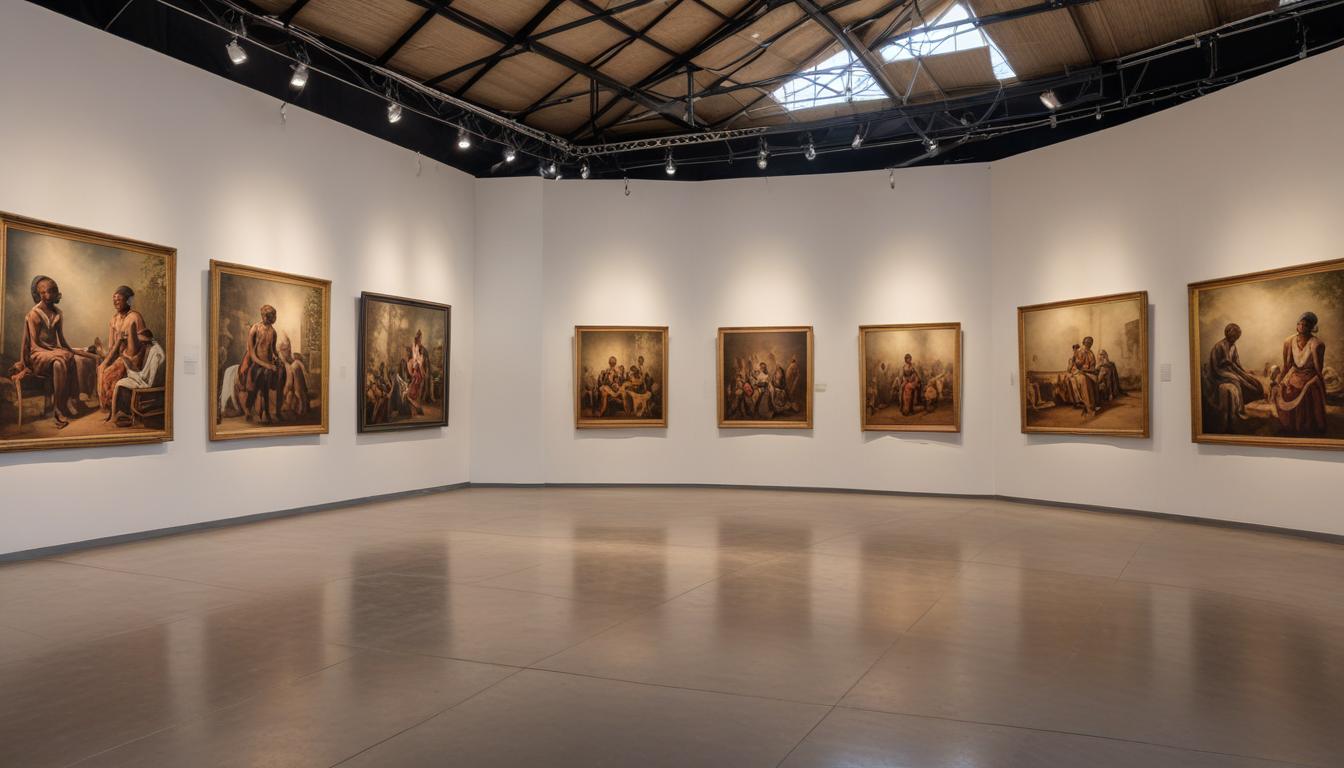
Walk through the Braamfontein precinct today and you'll see festival banners strung across Main Street almost year-round. But this wasn't always the case. Johannesburg's festival landscape has undergone a remarkable metamorphosis—from clandestine cultural resistance during apartheid to the sophisticated, globally-connected events calendar that now defines the city's identity.
In the 1990s, just after democracy, the city's cultural infrastructure was fragmented. Community halls in Soweto and Alexandra hosted music and theatre events with shoestring budgets, while the wealthier northern suburbs monopolised formal venues. The Grahamstown Festival (now the National Arts Festival) in the Eastern Cape drew many of the country's artists, leaving Johannesburg struggling to establish its own signature gathering.
The turning point came around 2003 when the Johannesburg International Comedy Festival launched, followed by the establishment of larger-scale events like the Joy of Jazz festival in Newtown—a neighbourhood that itself underwent dramatic regeneration around this period. These events signalled something new: that Johannesburg could host world-class gatherings that rivalled international cities.
Today's calendar reflects this maturation. The Africville Festival in Rosebank celebrates African diaspora culture with attendance exceeding 15,000 annually. Arts Alive, held during Heritage Month in September around the Johannesburg Theatre precinct, draws artists from 12 African nations. The Jozi Book Fair, launched in 2017, has become the Southern Hemisphere's largest independent book fair by some measures, attracting 40,000 visitors to the Expo Centre.
Economically, the shift has been significant. According to Johannesburg Tourism, festival tourism contributed approximately R2.8 billion to the local economy in 2024, supporting thousands of jobs in hospitality, transport and creative industries. Venue owners in Newtown, Maboneng and the Precinct have invested heavily in infrastructure, knowing festivals now drive consistent footfall.
Yet the evolution hasn't been without tension. Gentrification concerns plague neighbourhoods that have hosted festivals, and ticket prices—often R150-400 for major events—price out working-class communities who once saw cultural gatherings as grassroots affairs.
Still, Johannesburg's festival scene remains distinctly African, distinctly democratic. From underground hip-hop nights in Braamfontein warehouses to the mainstreaming of amapiano at major venues, the city's cultural calendar continues evolving, pulling talent from across the continent while staying rooted in local creative energy. Three decades in, the revolution wasn't just political—it was cultural.
This article was compiled by AI from the sources linked above and screened before publishing. See our editorial standards.