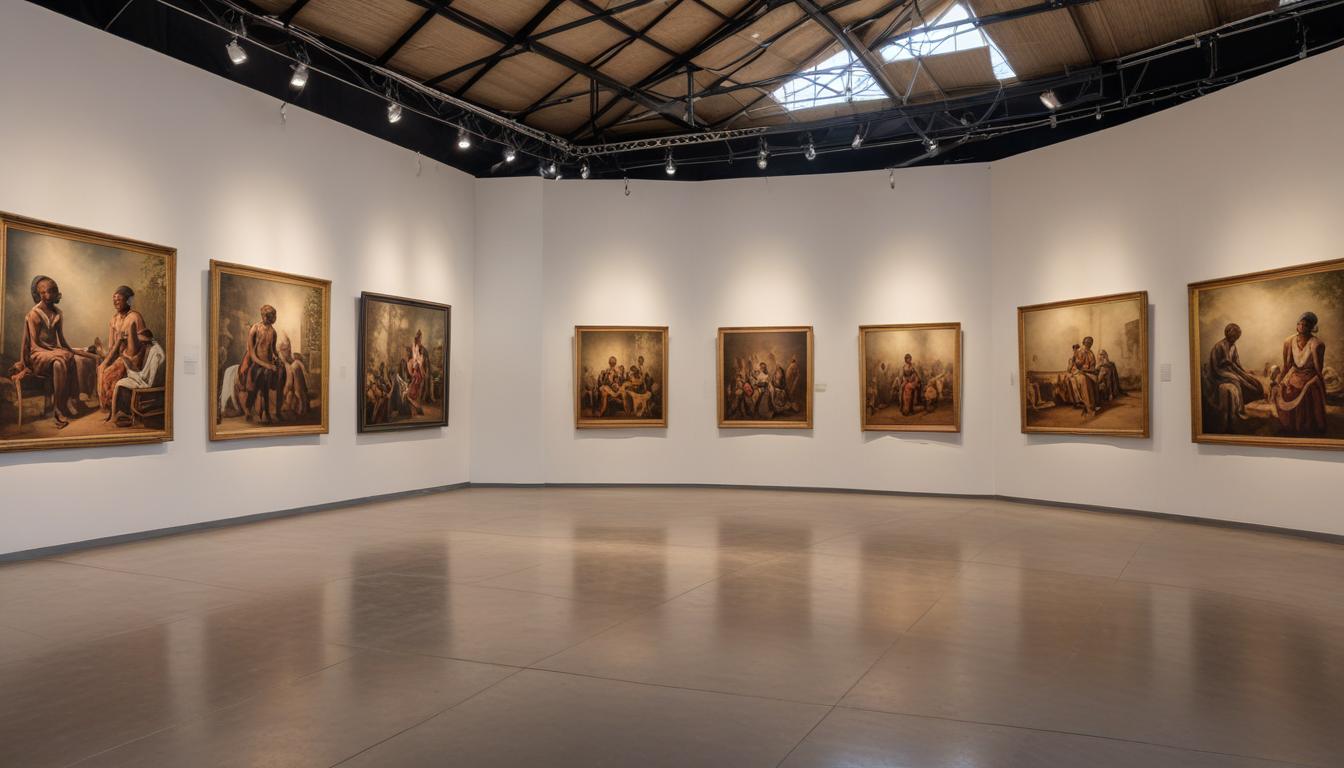
Walk through Braamfontein on any given weekend in 2026, and you'll encounter a cultural renaissance that feels distinctly bottom-up. The streets around Arts on Main and the Maboneng Precinct pulse with energy—not from corporate sponsorship deals, but from a constellation of independent collectives determined to reshape what Johannesburg's festival calendar represents.
This shift marks a decisive turn away from the slick, sanitised events that have long dominated the city's cultural calendar. Instead, neighbourhood organisations like the Soweto Bike Rally collective and the Fordsburg Cultural Corridor initiative have spent the past 18 months building grassroots festivals that prioritise community participation over spectacle. The numbers tell the story: attendance at independently organised neighbourhood events has grown 34% year-on-year, while traditional corporate-backed festivals have seen declining ticket sales.
In Newtown, the resurgent Mary Fitzgerald Square has become ground zero for this movement. What was once a neglected cultural hub has been reclaimed by theatre groups, visual artists, and musicians who organise monthly open-air performances entirely through community funding. Entry is R40—a deliberate choice to keep events accessible—and the programming reflects the neighbourhood's actual demographic rather than an imagined affluent audience.
The driving force isn't nostalgia or anti-establishment rhetoric alone. These collectives—organisations like Artist Proof Studio's extended network and the independent Black Consciousness Cultural Foundation—are consciously building infrastructure for artists who've been systematically excluded from formal venue circuits. Many operate on shoestring budgets: the Hillbrow Rooftop Festival, which launched last year, runs on R15,000 per event, sourced entirely through community micro-donations and artist contributions.
What distinguishes this movement is its intentionality around representation. Festival programming committees now routinely include unemployed creatives, elderly residents, and youth from surrounding townships—voices historically absent from cultural decision-making. The result: calendars that reflect the actual texture of Johannesburg life, rather than aspirational marketing imagery.
By mid-2026, over forty independent festivals now operate across the city's neighbourhoods, from the Turffontein Jazz Initiative to the Alexandra Heritage Festival. They occupy streets, parks, and community halls rather than secured venues. They operate largely outside mainstream media attention.
This is perhaps the movement's most radical aspect: the deliberate deprioritisation of visibility in favour of sustainable, community-accountable cultural work. It suggests a Johannesburg finally writing its own cultural story.
This article was compiled by AI from the sources linked above and screened before publishing. See our editorial standards.