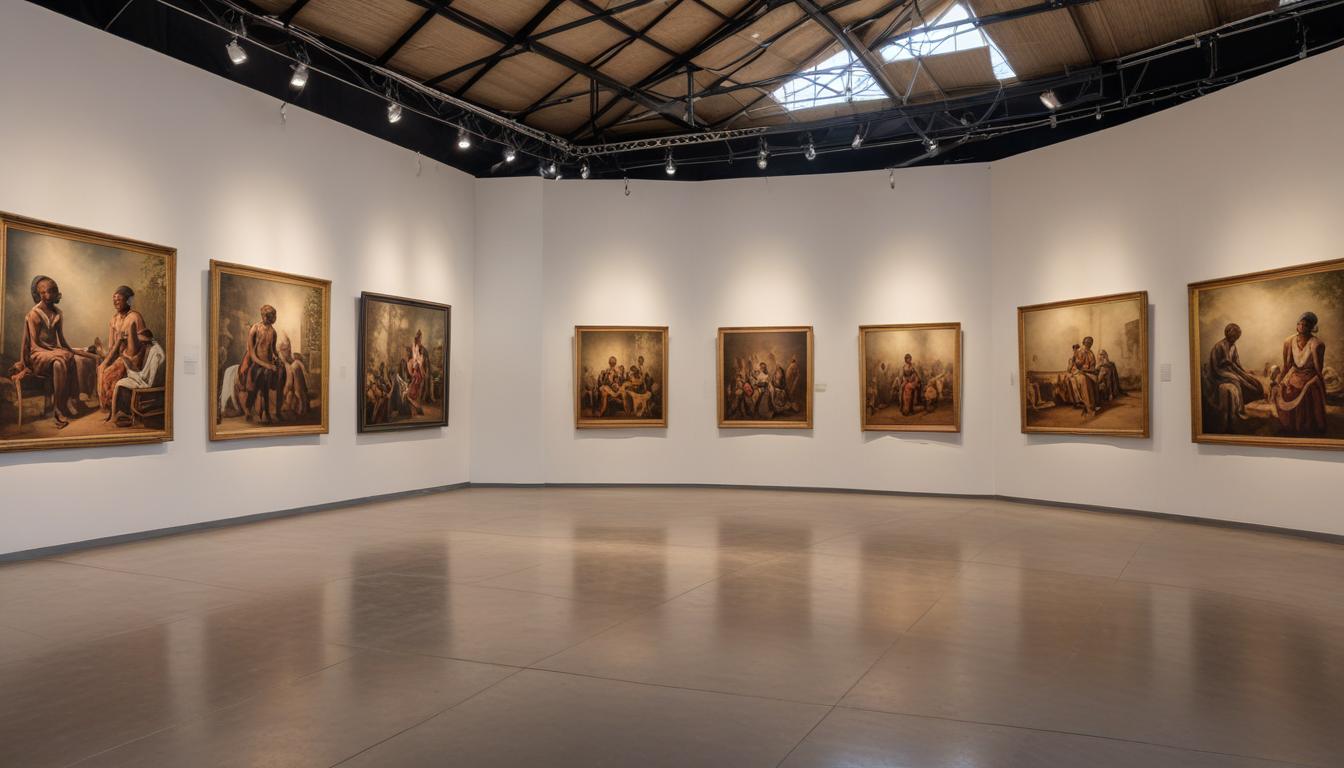
Walk down Fox Street in Maboneng on a Saturday morning and you'll encounter something Johannesburg's inner city hadn't seen in decades: foot traffic driven by genuine cultural curiosity rather than commercial necessity. The walls tell stories in aerosol and acrylic—some political, others purely whimsical—painted by a loose coalition of local artists who've deliberately rejected the sanitised, corporatised approach to street art that dominates other metros.
What's happening here isn't spontaneous. It's the result of sustained organising by collectives like the Maboneng Precinct's independent artist networks and Newtown's grassroots design movement, which emerged roughly five years ago as a direct response to what many saw as the gentrification trap: spaces prettified for property developers and Instagram aesthetics rather than for the communities living in them.
"We watched what happened in other cities," explains the ethos driving these efforts, evident in how artists have deliberately maintained accessibility over exclusivity. Street art in Johannesburg's emerging creative districts remains largely free to experience—no gallery entry fees, no branded sponsorships reshaping aesthetics. A single mural project on Stiemens Street in Newtown might involve five to ten artists working collaboratively, their work rotating with seasonal community input.
The economic impact is quietly significant. Local restaurants and independent shops within a 500-metre radius of major creative corridors have reported 30-40% increases in foot traffic since 2023, according to informal trader surveys. More importantly, these aren't chains: they're owner-operated cafes, vintage shops, and small galleries—the ecosystem that actually sustains neighbourhoods.
The movement's sustainability depends on something increasingly rare: organised resistance to commodification. Community mapping projects document which walls remain artist-controlled versus those targeted for corporate-sponsored murals. The distinction matters. A hand-painted piece by a Johannesburg artist reflecting local political concerns carries weight that a professionally-designed advertisement, however visually striking, cannot.
Rising rents and developer pressure remain real threats. Several artists who pioneered work in Maboneng have already relocated to more affordable areas like Fordsburg and Jeppestown, extending the movement's geography while illustrating its fragility. Yet the community infrastructure—social media networks, informal artist collectives, mentorship between veterans and emerging creators—has proven resilient enough to survive displacement and even thrive through it.
What's emerging isn't Johannesburg's answer to Brooklyn or Bristol. It's something distinctly local: creative districts shaped by the people living in them, accountable to community needs rather than tourist metrics. That's the real story these streets are telling.
This article was compiled by AI from the sources linked above and screened before publishing. See our editorial standards.