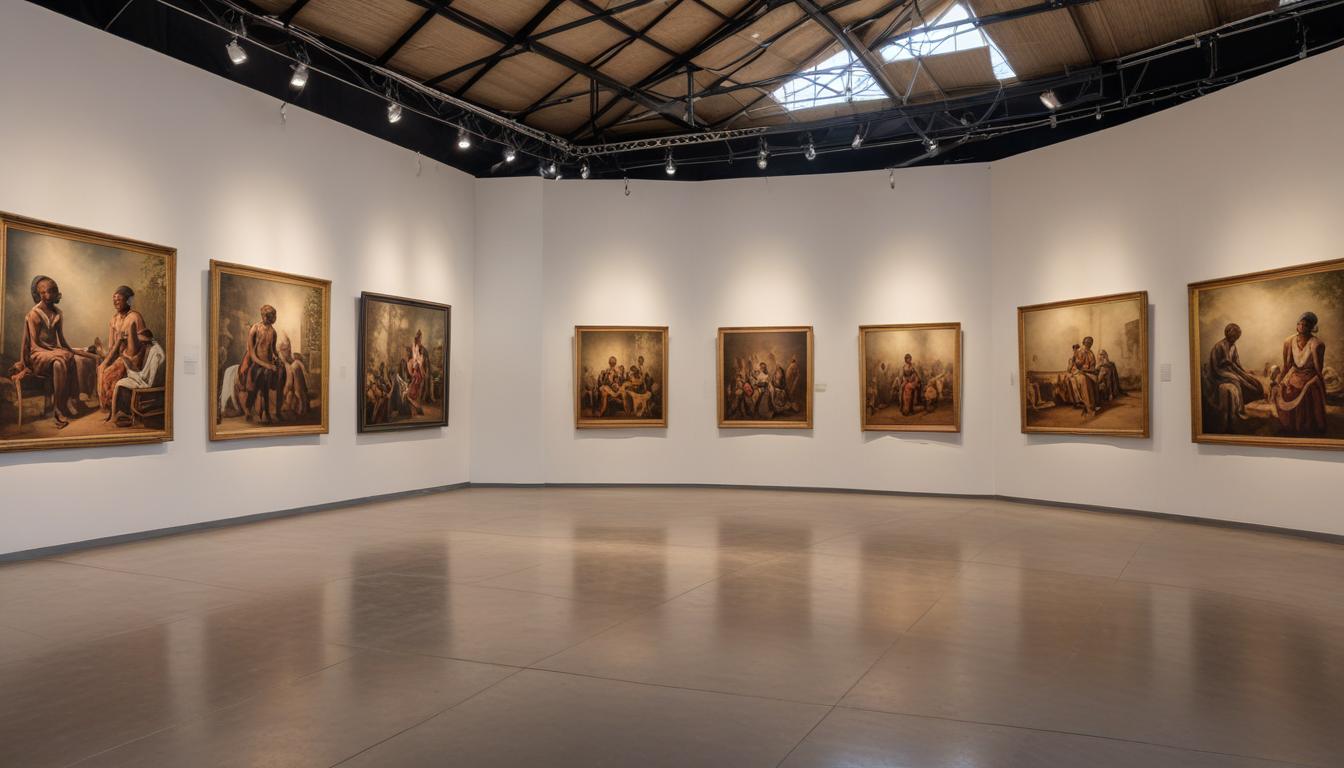
Johannesburg's arts and culture landscape has undergone a remarkable transformation over the past decade, establishing the city as a serious continental player in contemporary art. But navigating the sprawling museum and gallery scene requires insider knowledge—and plenty of comfortable shoes.
Start in Maboneng Precinct, the revitalised inner-city neighbourhood that has become synonymous with Johannesburg's creative renaissance. This formerly industrial area on the eastern edge of the CBD now hosts over 200 creative businesses, artist studios, and galleries within its converted Victorian and Edwardian warehouses. Circa Gallery, Blank Contemporary, and the Museum of African Design (MOAD) anchor the precinct, each offering distinct perspectives on contemporary African creativity. MOAD particularly deserves a full afternoon—its 5,000-piece collection spanning textiles, ceramics, and design objects provides crucial context for understanding modern African visual culture. Admission is around R80.
For heavyweight institutional experience, the Apartheid Museum in Nasrec remains essential. While emotionally demanding, its 22 exhibition halls document South Africa's recent history with unflinching curatorial rigour. Budget three to four hours and expect entry fees around R120. Book ahead during peak season to avoid lengthy queues.
The Johannesburg Art Gallery on Joubert Park, though occasionally overlooked by visitors fixating on trendier venues, houses exceptional collections of South African modernism and contemporary work spanning two centuries. Its position overlooking the city's skyline adds an unexpected contemplative quality. Entry is free, making it an ideal rainy-day refuge.
For experimental work, head to Braamfontein and surrounding areas where smaller independent galleries like Thupelo and artist-run spaces showcase emerging talent. These venues rarely charge admission and often host Friday evening studio crawls—check local arts publications or the Joburg Gallery Guide for current schedules.
Practical advice: most galleries close Mondays and Sundays; confirm hours before visiting. Maboneng and Braamfontein remain energised during daylight hours but warrant caution after dark—consider guided tours if unfamiliar with the city. Public transport is unreliable for gallery-hopping; Uber or ride-hailing apps are standard for most visitors.
The Johannesburg gallery scene genuinely reflects the city's fractured, complex identity. Visitors who invest time exploring beyond headline institutions discover why cultural commentators increasingly position the city alongside Lagos and Nairobi as a true African art capital.
This article was compiled by AI from the sources linked above and screened before publishing. See our editorial standards.