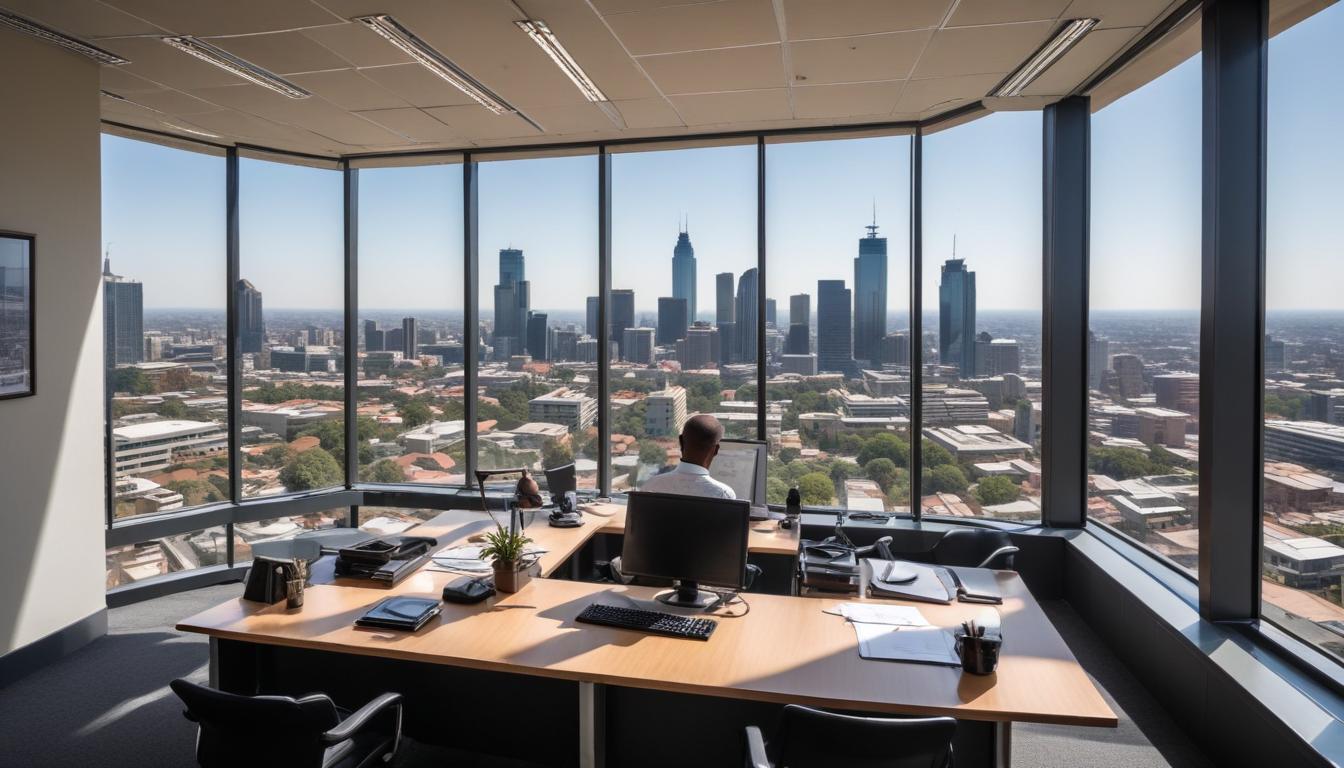
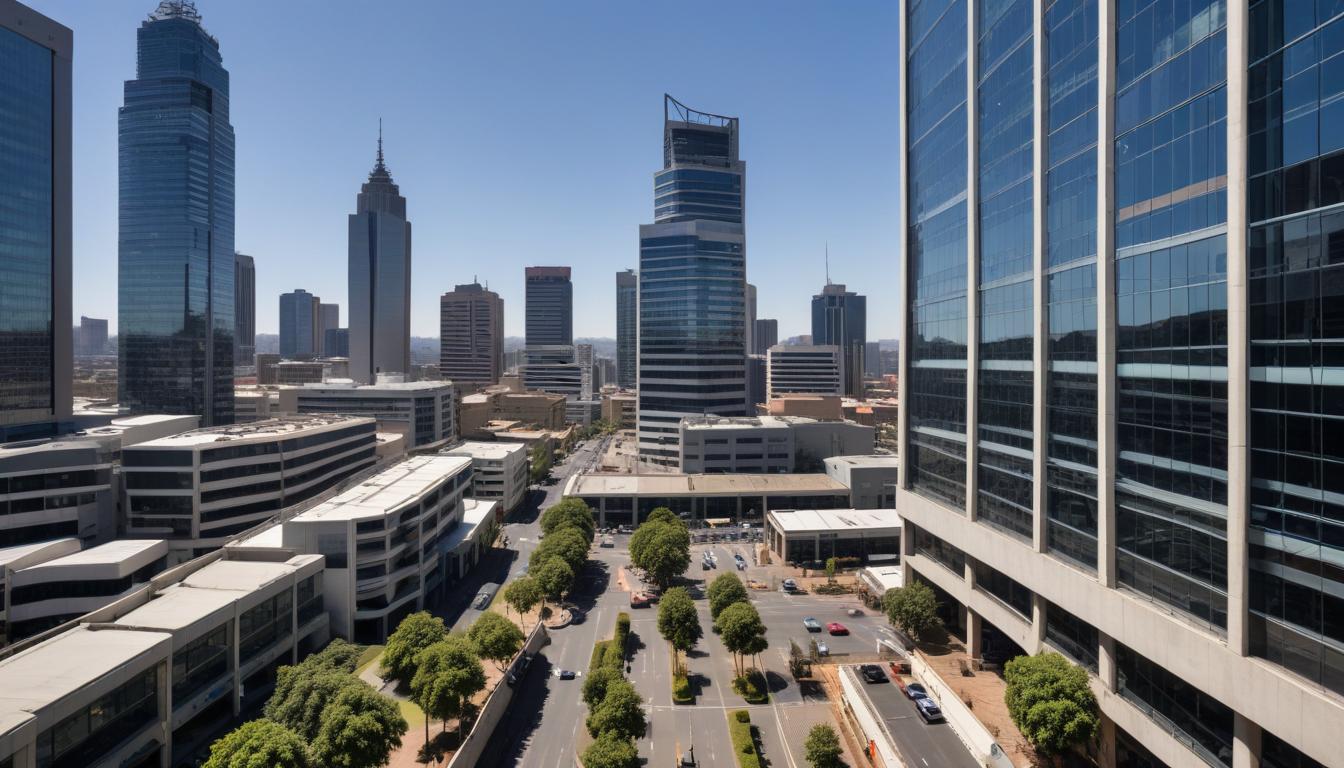
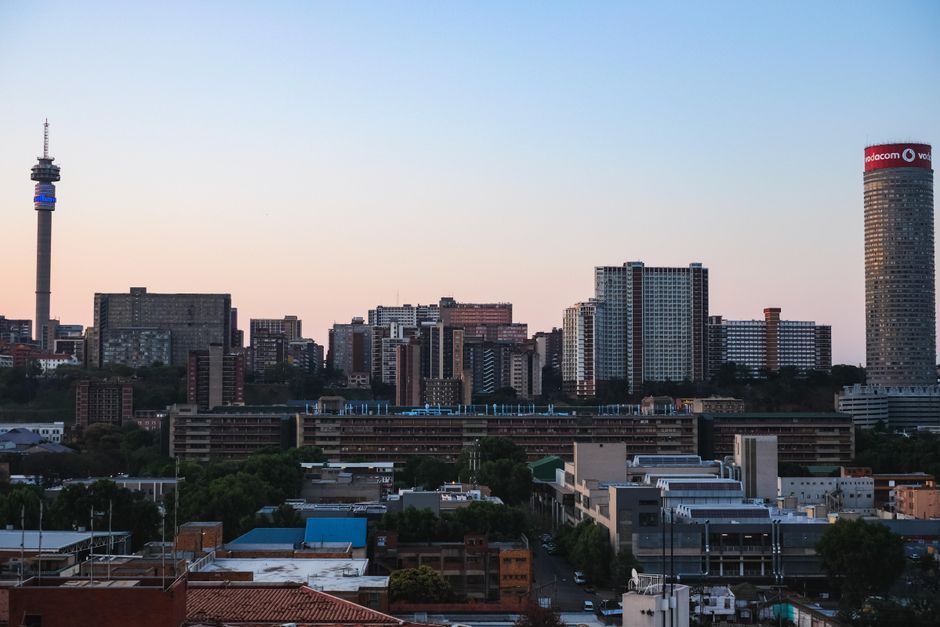
The transformation is neither sudden nor flashy, but it is undeniable. Over the past eighteen months, Johannesburg's startup ecosystem has begun clustering around Sandton's northern corridors and the revitalised precinct near the Inanda business quarter, drawing investment that three years ago would have headed directly to Cape Town or overseas. For those paying attention, the opportunity window is already open—and some are already inside.
Commercial property data suggests office leasing in the Sandton innovation belt has grown by roughly 23 percent year-on-year, with technology and fintech companies accounting for nearly 40 percent of new tenancies. Rental rates in purpose-built innovation spaces along Rivonia Road and near Grayston Drive remain significantly lower than comparable Johannesburg CBD locations, yet offer proximity to both corporate headquarters and the talent pools concentrated in northern suburbs.
The beneficiaries are already visible. Established fintech firms have expanded their engineering teams by relocating into shared co-working environments across Sandton, reducing overhead while tapping into a growing freelancer ecosystem. Meanwhile, startups focused on supply-chain optimisation and enterprise software—sectors where South African companies hold genuine competitive advantage—have begun anchoring themselves in purpose-built innovation spaces offering mentorship and corporate partnership pipelines.
What distinguishes Johannesburg's current moment from previous false starts is institutional backing. Major corporates headquartered in Sandton and Midrand are actively integrating startup partnerships into their innovation strategies, rather than merely sponsoring competition seasons. Simultaneously, venture capital firms have begun establishing satellite operations in the city, with at least four new fund vehicles focused on Southern African tech having set up regional offices in the past eight months.
The University of the Witwatersrand's Tshimologong precinct, positioned as a bridge between academia and commercialisation, has expanded its programming and secured additional corporate funding that signals sustained confidence in the city's trajectory. Real estate developers have taken note: new mixed-use properties now routinely include dedicated innovation flooring with fibre infrastructure.
Yet questions linger about sustainability. Johannesburg's notorious skills drain—particularly of software engineers and product designers—remains a headwind. Crime and load-shedding continue deterring some potential relocations. And whether this moment represents genuine momentum or merely corporate capital rebalancing away from traditional hubs remains uncertain.
What seems clear is that for startups and investors positioned to move within the next twelve months, the arbitrage opportunity is real. Johannesburg has stopped being a secondary choice.
This article was compiled by AI from the sources linked above and screened before publishing. See our editorial standards.