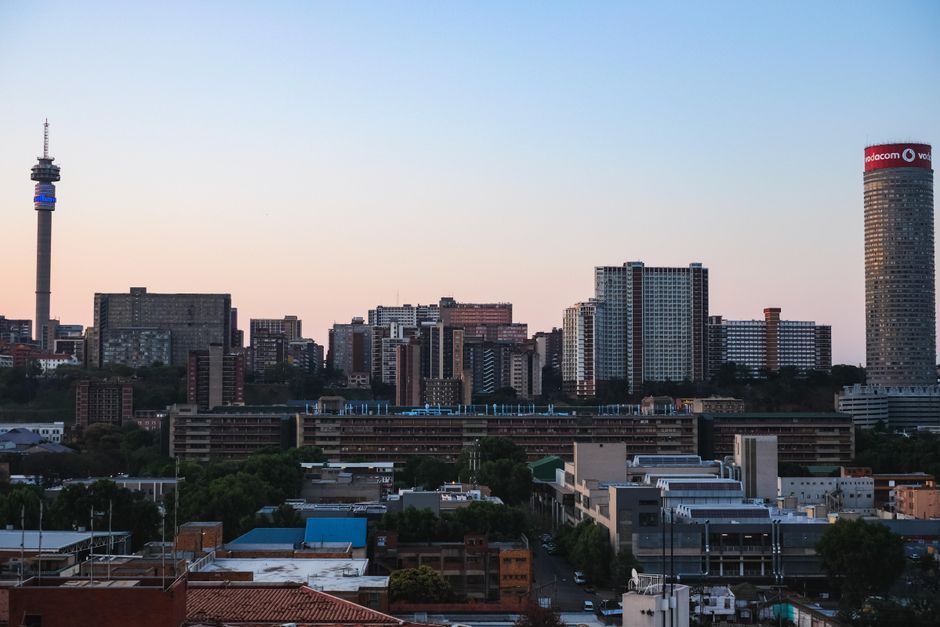
The neon glow along Sandton's restaurant row and the bustling corridors of Rosebank's retail precincts mask a sector in distress. Johannesburg's retail, hospitality and food industry—traditionally a cornerstone of the city's economic vitality—is navigating one of its most challenging years on record, buffeted by a confluence of pressures that threaten both established venues and newcomers alike.
Rising operational costs top the list of headwinds. Electricity tariffs have surged by approximately 18% year-on-year, a particularly acute problem for temperature-controlled retail spaces and kitchen-heavy food establishments. Load-shedding, which persists despite marginal grid improvements, continues to disrupt trading hours and inventory management. Restaurant owners in the Bryanston and Illovo corridor report unexpected spoilage costs and the need for backup power systems that can consume 15-20% of monthly overheads.
Labour costs have similarly escalated. The hospitality sector, already operating on notoriously thin margins of 3-5%, faces wage pressures and increased compliance burdens. A server in a mid-range Fourways establishment now commands roughly R18,000-R22,000 monthly, up from R15,000 two years ago. Simultaneously, consumer spending patterns have weakened. June's retail sales figures suggest foot traffic in malls like Eastgate and Sandton City has declined marginally, with discretionary spending—dining, entertainment, non-essential shopping—bearing the brunt.
The sector's pricing power remains limited. While some establishments have cautiously raised prices, aggressive increases risk alienating price-sensitive consumers. A cappuccino in Johannesburg's CBD now averages R35-R45, while a restaurant meal for two in accessible venues ranges from R400-R800. Venue operators walk a tightrope between sustainability and competitiveness.
Supply chain volatility compounds these challenges. Import-dependent segments—wine and spirits retail, certain frozen food lines, premium kitchenware—face currency headwinds and shipping delays that inflate input costs unpredictably.
Despite these headwinds, some resilience persists. Experience-focused venues—craft breweries, speciality coffee roasteries, and unique dining concepts—continue attracting patrons willing to pay premium prices. Delivery and ghost kitchen models have provided alternative revenue streams for food operators.
Industry bodies have called for targeted support: accelerated investment in energy infrastructure, tax relief for labour-intensive businesses, and regulatory streamlining. Without intervention, analysts caution, a wave of closures could reshape Johannesburg's hospitality landscape, particularly in secondary precincts, before year-end.
This article was compiled by AI from the sources linked above and screened before publishing. See our editorial standards.