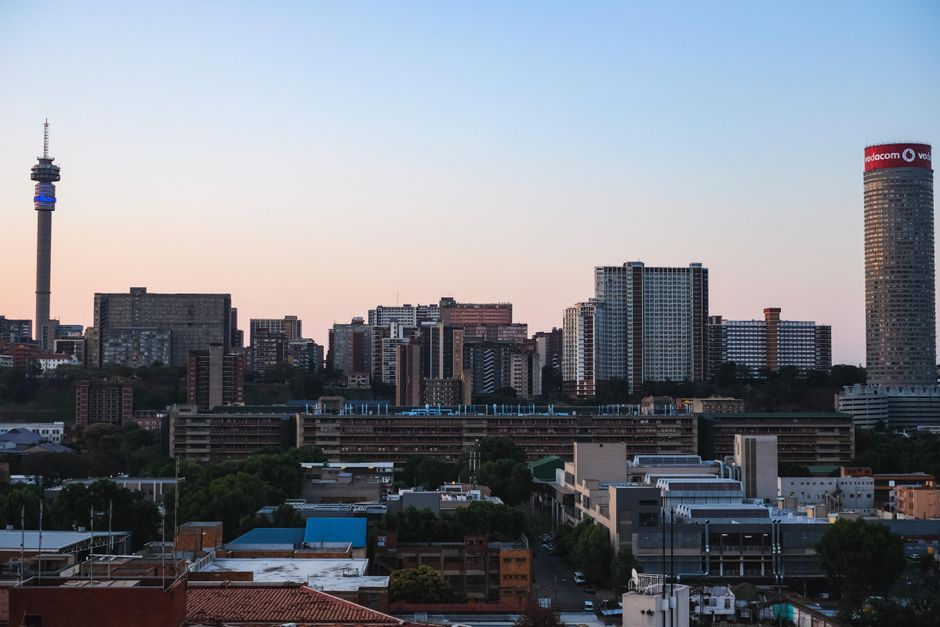
Johannesburg's commercial property market is signalling a decisive shift. After years of uncertainty about post-pandemic office demand, the city is experiencing a bifurcated recovery that's creating distinct winners and losers—and those paying attention are positioning themselves accordingly.
The data tells a compelling story. While traditional office vacancy rates in the CBD hover around 18-20%, prime real estate in Sandton's commercial core—particularly along Grayston Drive and within the Katherine Street precinct—is commanding R250-280 per square metre annually for Grade A space. That's a premium that reflects genuine scarcity. Institutional investors who locked in 10-15 year leases two years ago are now sitting on positions that have appreciated significantly as supply constraints bite.
The opportunity emerging centres on three interconnected trends. First, multinational corporations—particularly in financial services, technology, and professional services—are consolidating their Johannesburg operations into premium-grade facilities. The days of sprawling, multi-location footprints are ending. Second, the CBD's quiet renaissance is attracting speculative capital. Independent developers are converting aging office stock on Commissioner Street and nearby into mixed-use properties combining office, co-working, and residential elements. Third, companies seeking arbitrage between premium and secondary markets are increasingly eyeing Rosebank and Parkhurst, where rents sit 30-40% below Sandton but accessibility and amenities are improving.
Who's benefiting? Major players like Redefine International and Hyprop Investments have already repositioned their portfolios, reducing exposure to struggling suburban nodes whilst doubling down on Sandton's flight-to-quality dynamics. Smaller, nimble operators are capturing value differently—acquiring underperforming buildings in transitional areas like Braamfontein, undertaking targeted refurbishment, and leasing to creative industries and tech startups at competitive rates.
The numbers reflect realistic market conditions. A recent transaction saw a 7,500 square metre office block in Sandton trade at R72 million—approximately R9,600 per square metre. Similar space in the CBD shifted at R5,200-5,800 per square metre, reflecting the risk premium buyers apply to older infrastructure and perceived safety concerns.
Critically, this isn't a speculative bubble. Underlying demand from corporates seeking fit-for-purpose, secure facilities with reliable power and connectivity is genuine. As South Africa's energy crisis stabilises and business confidence gradually improves, the window for acquiring well-positioned secondary assets before secondary markets fully recover remains open—but it's closing.
For property professionals in Johannesburg, the message is clear: the opportunity isn't in chasing yesterday's trophy assets. It's in identifying where capital flight consolidation meets infrastructure improvement, and moving decisively before market pricing equilibrates.
This article was compiled by AI from the sources linked above and screened before publishing. See our editorial standards.