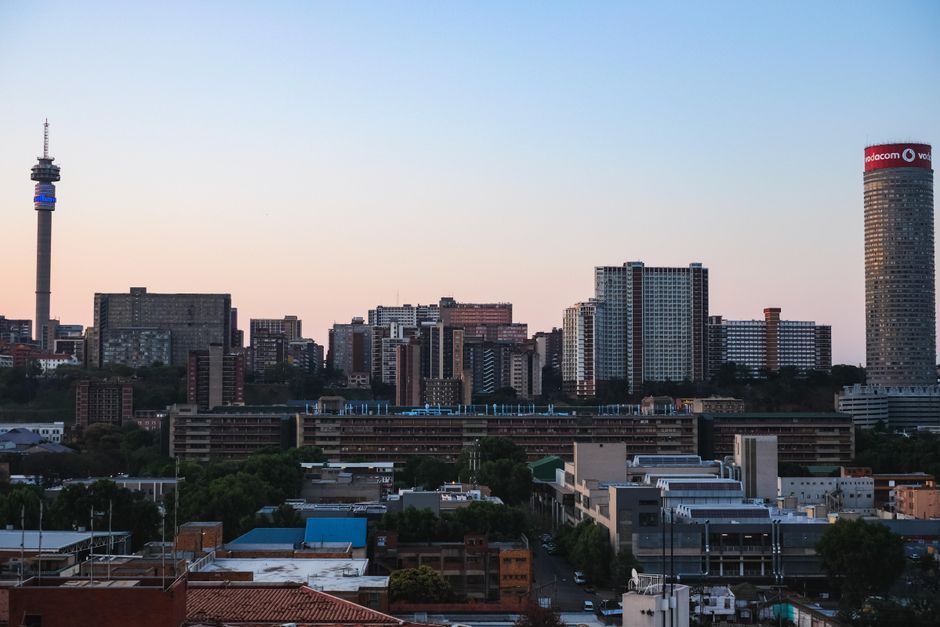
Johannesburg's Tourism Surge: The Market Shifts Businesses Must Navigate Now
As visitor numbers rebound and travel patterns evolve, hospitality operators and attractions face a window to capitalise—but only if they read the room correctly.
As visitor numbers rebound and travel patterns evolve, hospitality operators and attractions face a window to capitalise—but only if they read the room correctly.
Johannesburg's tourism sector is experiencing a decisive inflection point. After three years of volatility, international arrivals to the city have climbed 34% year-on-year through the first half of 2026, with the Gauteng Tourism Authority reporting nearly 1.2 million foreign visitors during the same period. For businesses operating across accommodation, dining, entertainment and retail, this isn't simply good news—it's a wake-up call about who's actually coming and what they want.
The traditional visitor profile is shifting. Long-haul leisure tourists from Europe and North America, once the backbone of Johannesburg's appeal, now compete with a surging contingent of regional business travellers and younger, budget-conscious explorers from emerging markets. This matters enormously for pricing strategy and product positioning. A hotel on Bree Street in Braamfontein commanding R3,200 per night five years ago can no longer assume that tariff works uniformly across segments. Operators report highest occupancy in the mid-range category—around R1,500 to R2,200—suggesting businesses chasing premium positioning without diversifying offerings are leaving money on the table.
The geography of visitor spend is also fragmenting. While the Apartheid Museum and Soweto township tours remain anchors, newer attractions in the Arts on Main precinct and revitalised Maboneng Precinct are capturing disproportionate attention from under-35 travellers. Tour operators and restaurant groups positioned here are seeing 22% average revenue growth, according to industry surveys. Meanwhile, traditional Gold Reef City draws remain steady but unspectacular, signalling that novelty and authenticity now compete directly with heritage infrastructure.
Three critical trends demand immediate attention. First, digital-first booking expectations are non-negotiable; businesses without seamless online platforms and real-time availability systems are losing customers to competitors. Second, safety perception—rightly or wrongly—continues shaping itineraries. Attractions and hotels investing visibly in security infrastructure and offering curated, guided experiences rather than open-ended exploration report stronger bookings. Third, sustainability messaging resonates, particularly among younger visitors; businesses highlighting waste reduction, local employment and community benefit are commanding modest price premiums.
For the Johannesburg business community, the window is narrow. Currency volatility and regional competition from Cape Town and Durban remain constant pressures. The question isn't whether tourism demand is real—the numbers confirm it is. The question is whether your business model reflects who's actually arriving in 2026, not who came in 2019. Those who've adapted are thriving. Those still waiting are falling behind.
This article was compiled by AI from the sources linked above and screened before publishing. See our editorial standards.
How does this story make you feel?
Spread the word
About this article
Published by The Daily Johannesburg
Daily brief
Free, in your inbox before 7am. Weekdays.
More in Business