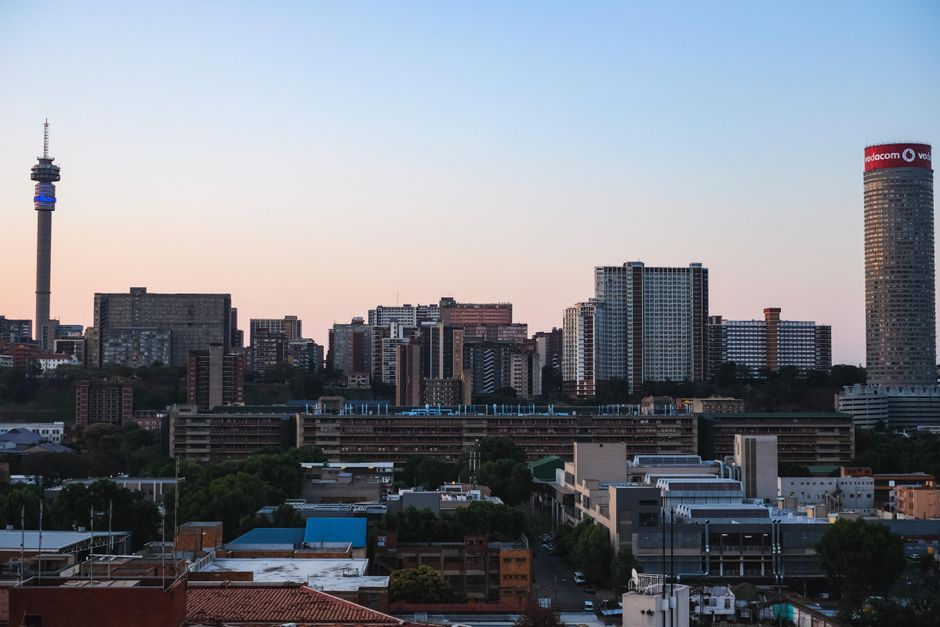
Johannesburg's startup ecosystem is experiencing a seismic shift that extends far beyond venture capital rounds and unicorn valuations. The emergence of densely clustered innovation districts—particularly in Braamfontein, the Sandton Corridor, and around the Johannesburg Development Agency's Joburg City Improvement District—is fundamentally reshaping how talent flows through the city's job market.
The numbers tell a compelling story. According to recent analysis by the Johannesburg Chamber of Commerce and Industry, tech and innovation-focused companies have grown their headcount by approximately 34% over the past two years, while traditional corporate sectors contracted by 2%. More significantly, nearly 62% of these new hires are under 35, with roughly half relocating to Johannesburg specifically for startup opportunities—a reversal of the brain drain that characterized the city a decade ago.
"What's happened is that startups have become a credible alternative to corporate careers," explains the logic behind why professionals are making this shift. Companies clustering around areas like The Pivot in Braamfontein and Sable International's innovation hub in Rosebank are offering something corporate Johannesburg traditionally hasn't: rapid skill development, equity participation, and the visibility that comes from being part of a high-growth venture.
The impact ripples across the entire employment ecosystem. Salary expectations have shifted upward—a mid-level product manager in the startup space now commands 15-20% more than their corporate counterpart, according to local recruitment firms. Office space dynamics have transformed too. Braamfontein's average commercial rent has climbed to approximately R180 per square metre annually, up 28% in three years, as startups absorb former warehouse and light industrial properties. This gentrification effect has created spillover competition for talent right across the inner city.
Perhaps most significantly, these innovation districts are functioning as talent incubators that feed the broader African economy. Companies like 22 on Sloane in Braamfontein and various entities in the Corridor are increasingly recruiting from across the continent—Ghana, Kenya, Nigeria—creating what amounts to a Pan-African talent market centred in Johannesburg. This is shifting the city's global positioning from a domestic business hub to a continental innovation centre.
For Johannesburg's struggling unemployment crisis, the impact remains modest but promising. The startup sector now accounts for roughly 8,000-10,000 direct jobs and an estimated 4,000 indirect positions in supporting services. More importantly, it's created a new category of aspirational career path that's drawing ambitious young people back to the city rather than abroad—a psychological shift that may prove more valuable than the immediate job numbers suggest.
This article was compiled by AI from the sources linked above and screened before publishing. See our editorial standards.