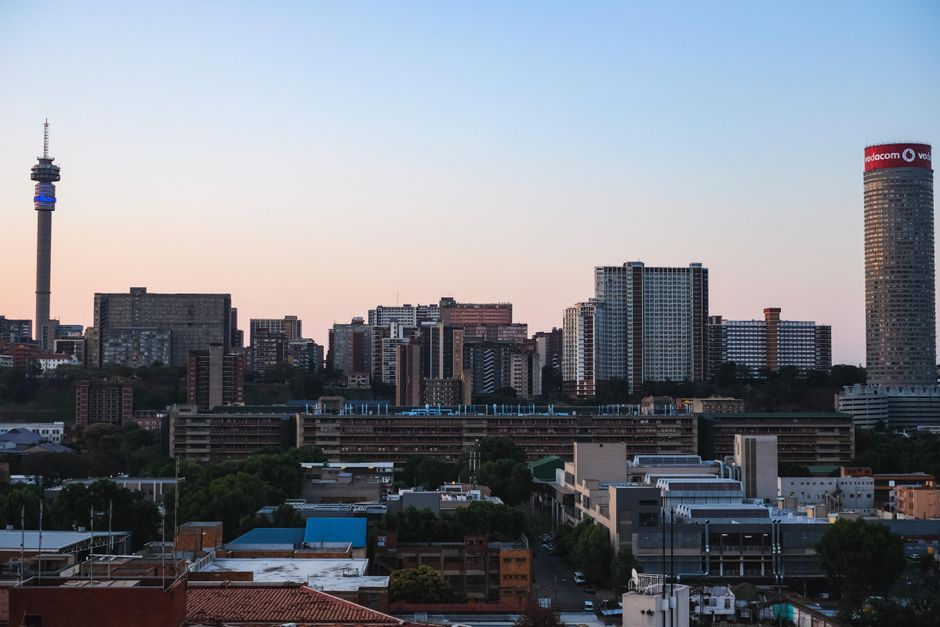
The gleaming office parks along the Sandton strip and the converted warehouses of Braamfontein that once symbolised Johannesburg's digital ambitions are facing their sternest test yet. While the city's startup ecosystem attracted global attention over the past three years, founders and venture capitalists now confront a harsh new reality: capital is drying up, talent is departing, and the geopolitical headwinds buffeting emerging markets are making investment decisions increasingly cautious.
The numbers tell a sobering story. Early-stage funding in South Africa dropped 34% in the first quarter of 2026 compared to the same period last year, according to recent venture capital tracking data. For Johannesburg—home to roughly 60% of the country's active startups—the implications are profound. Office vacancy rates in the Maboneng Precinct, once a beacon for tech entrepreneurs, have climbed to 18%, while co-working spaces that charged premium rates two years ago now offer aggressive discounts to retain members.
"The optimism that characterised 2024 and 2025 has evaporated," says the investment community operating from nodes like the Bandwidth Barn and the Joburg Start-Up Hub. Rising interest rates—currently at 8.25%—have made venture capital more expensive to deploy, while global investors are retreating to markets perceived as lower-risk. The rand's recent volatility has compounded concerns about currency exposure.
The brain drain accelerates the challenge. Several founding teams have relocated to Austin, Lagos, and Singapore, citing both capital accessibility and regulatory clarity. One Rosebank-based fintech founder recently departed for Dubai, citing tax incentives and proximity to Middle Eastern investors. This exodus undermines the ecosystem's critical mass—the clustering effect that made Johannesburg attractive in the first place.
Corporate partnerships, which previously cushioned startups through tough periods, are also tightening. Major financial institutions that once ran innovation labs are consolidating programmes and tightening evaluation criteria. Uncertainty around regulatory frameworks, particularly regarding cryptocurrency and digital assets, has created additional friction for blockchain-focused ventures that once thrived in the city's entrepreneurial quarters.
Some ecosystem players remain undeterred. Mentorship networks centred on Johannesburg's traditionally strong financial services expertise continue operating, and government incentive programmes persist. Yet the consensus among founders is unmistakable: 2026 demands ruthless focus on path to profitability rather than growth-at-all-costs strategies. The startup boom that characterised the mid-2020s is giving way to a tougher, more disciplined phase—one that will test whether Johannesburg's innovation credentials can survive a genuine market correction.
This article was compiled by AI from the sources linked above and screened before publishing. See our editorial standards.