Johannesburg's tourism industry, once positioned as a continental gateway and cultural beacon, faces a perfect storm of challenges in 2026. From slumping international arrivals to weakening consumer confidence, the sector that typically contributes billions to the local economy is navigating treacherous terrain.
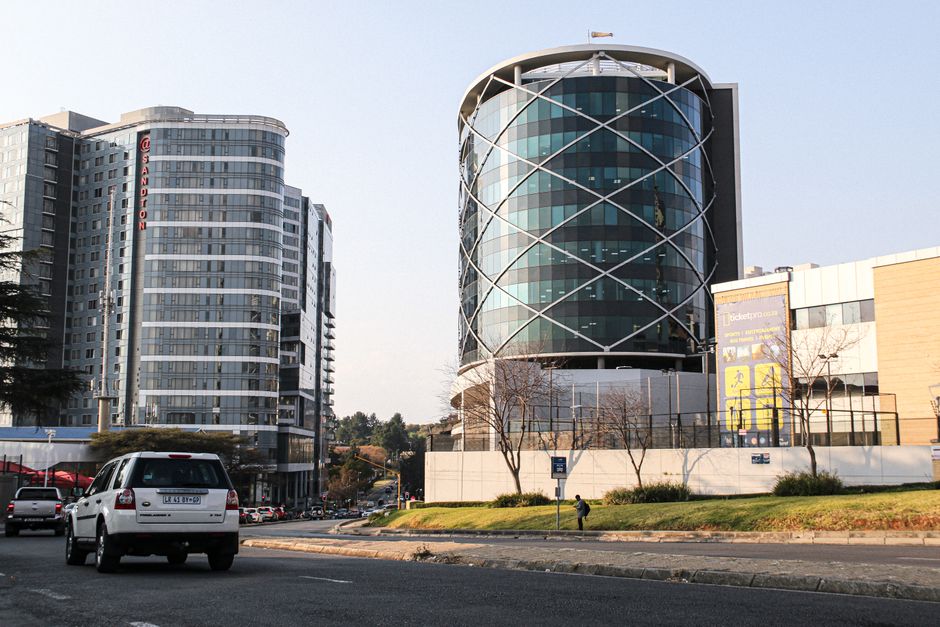
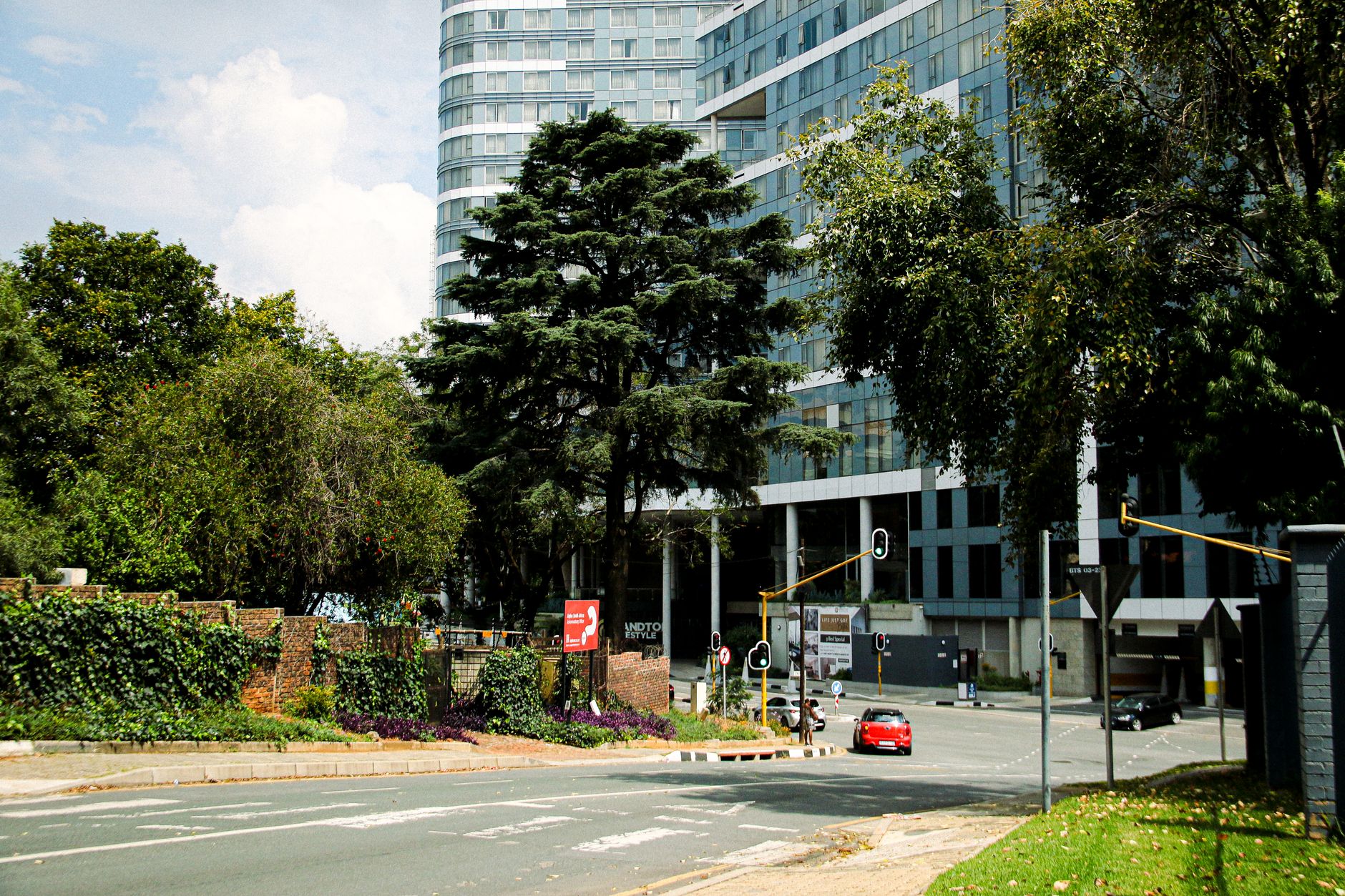
The numbers tell a sobering story. Year-to-date figures show international visitor arrivals to South Africa down roughly 12% compared to the same period last year, with Johannesburg absorbing much of the impact. Hotels along Sandton's business corridor and boutique guesthouses in the leafy enclaves of Melville and Parkhurst are reporting occupancy rates hovering near 55%—significantly below the 70% threshold considered healthy for the sector.
Currency volatility has compounded the problem. The rand's weakness, while theoretically making South Africa cheaper for foreign tourists, has deterred long-haul travellers from America and Europe, who face elevated flight costs. Conversely, regional visitors from the African continent are increasingly price-sensitive, curtailing spending on premium experiences at venues like the Apartheid Museum or the Maropeng Visitor Centre in the Cradle of Humankind, just outside the city.
The geopolitical backdrop cannot be ignored. Escalating regional conflicts, uncertainty in global markets, and travel advisories issued by several Western governments have created a chilling effect on leisure tourism. Business travel, traditionally Johannesburg's reliable anchor, has also softened as multinational corporations tighten discretionary spending and accelerate remote-work policies.
Small and medium tourism operators have been hit hardest. Tour guides, shuttle operators, and independent restaurant owners—particularly those concentrated in the Maboneng Precinct and around Braamfontein—report that margins have compressed by as much as 20% this year. Operating costs, from fuel to staff wages, have climbed, but pricing power remains limited in a buyer's market.
The Johannesburg Tourism Company and the city's hospitality associations have called for government support, including tax relief and marketing investment to stimulate domestic tourism. There is also renewed focus on positioning Johannesburg as a business events destination, capitalizing on its convention infrastructure and role as Africa's economic powerhouse.
Industry insiders acknowledge that recovery will require patience. However, they point to underlying strengths: the city's cultural institutions, emerging food and craft scenes, and accessibility to natural attractions remain compelling. The challenge is converting awareness into bookings in an environment where global uncertainty continues to dampen travel appetite.
This article was compiled by AI from the sources linked above and screened before publishing. See our editorial standards.