Remote Work Revolution Is Reshaping Johannesburg's Job Market and Talent Wars
As companies embrace hybrid and fully distributed teams, Johannesburg's employment landscape is fracturing into winners and losers—with implications far beyond the CBD.
As companies embrace hybrid and fully distributed teams, Johannesburg's employment landscape is fracturing into winners and losers—with implications far beyond the CBD.
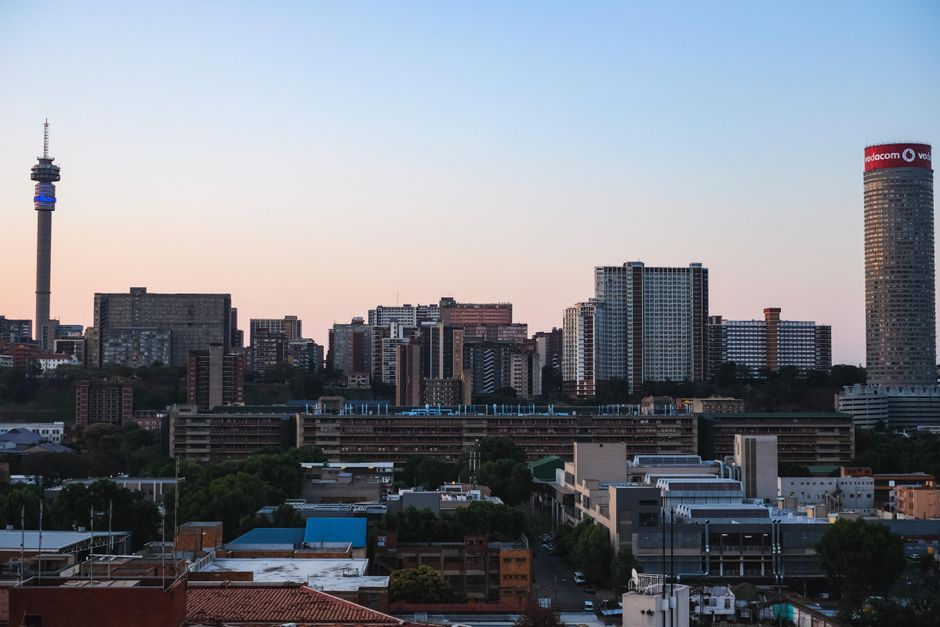
The office towers lining Sandton's skyline once symbolised corporate permanence. Today, they represent a job market in flux. Six months into 2026, Johannesburg's employment landscape has undergone a seismic shift as remote and hybrid work arrangements fundamentally reshape where talent settles, how companies compete for workers, and which neighbourhoods thrive.
Data from the Johannesburg Chamber of Commerce suggests that fully remote positions have grown 43% year-on-year, while hybrid roles account for over 55% of new professional placements. The implications are profound. Traditional office clusters in the Sandton CBD and along the Grayston Drive corridor are seeing reduced occupancy pressures, even as demand for commercial real estate pivots dramatically toward flexible office spaces and co-working hubs in accessible suburbs.
This shift is particularly visible in northern Johannesburg. Areas like Rosebank and Bryanston, historically commuter zones, are experiencing a renaissance as workers seek to live closer to home. Commercial property valuations in these precincts have climbed 8-12% as companies establish satellite offices and smaller working nodes. Conversely, the traditional talent pipeline—young professionals accepting entry-level positions in exchange for CBD location prestige—has dried considerably. Junior salaries have compressed by 15-18% in some sectors, reflecting reduced geographic scarcity.
The talent market itself has become genuinely national. Companies no longer recruit exclusively from greater Johannesburg; they're now competing with Cape Town, Durban, and even international hubs for skilled professionals willing to work remotely for Johannesburg-based firms. This has accelerated wage polarisation. Senior technical roles—software engineers, data scientists, digital strategists—command premium salaries as competition extends across borders. Meanwhile, support and administrative positions face downward pressure as employers source talent from lower-cost regions.
Unemployment remains stubbornly high in South Africa, yet Johannesburg's employment crisis has paradoxically deepened for certain demographics. Workers without advanced technical skills or professional credentials find themselves competing against a vastly expanded talent pool. Traditional stepping stones—junior roles in corporate environments—have vanished as companies flatten hierarchies and hire remotely only for specialist positions.
What's emerging is a bifurcated local job market: a thriving ecosystem for highly skilled remote workers commanding international-standard compensation, and a contracting opportunity set for those seeking conventional office-based career progression. For Johannesburg's broader business community, the implications are stark. The city must urgently reskill its workforce while managing the spatial and social disruption of a workplace revolution happening faster than policy can adapt.
The question now isn't whether remote work has arrived in Johannesburg. It has. The urgent question is who gets left behind.
This article was compiled by AI from the sources linked above and screened before publishing. See our editorial standards.
How does this story make you feel?
Spread the word
About this article
Published by The Daily Johannesburg
Daily brief
Free, in your inbox before 7am. Weekdays.
More in Business