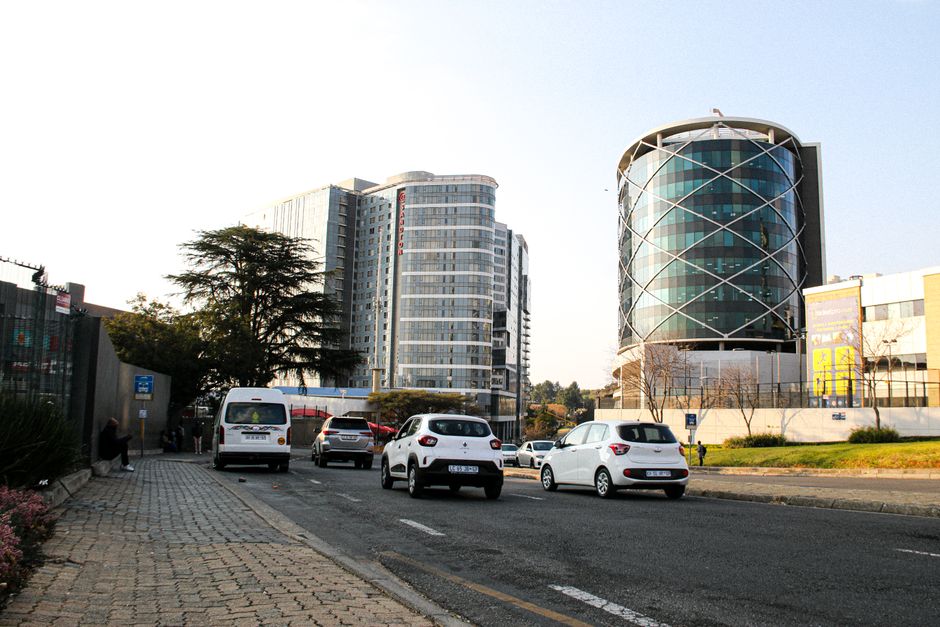
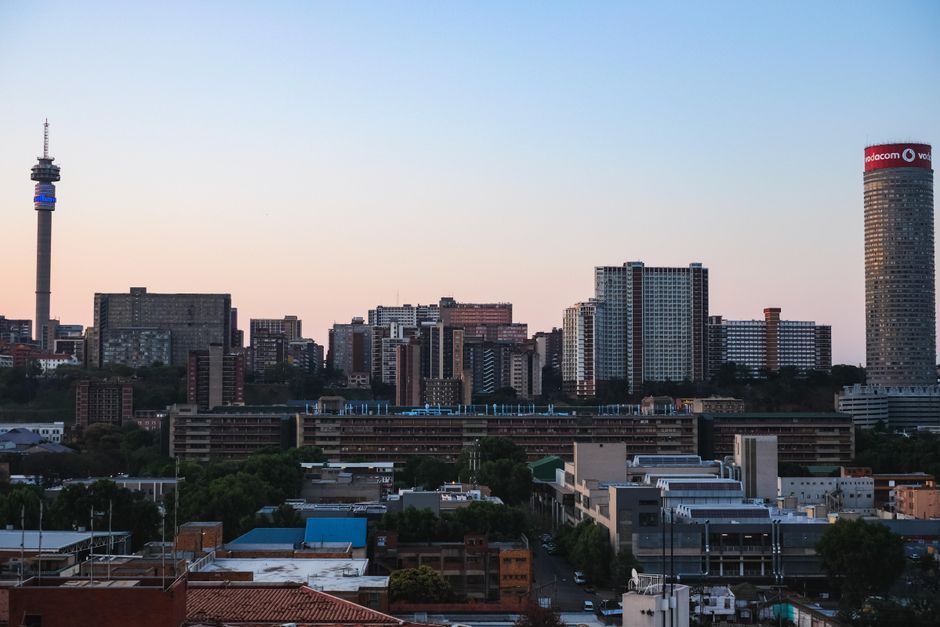
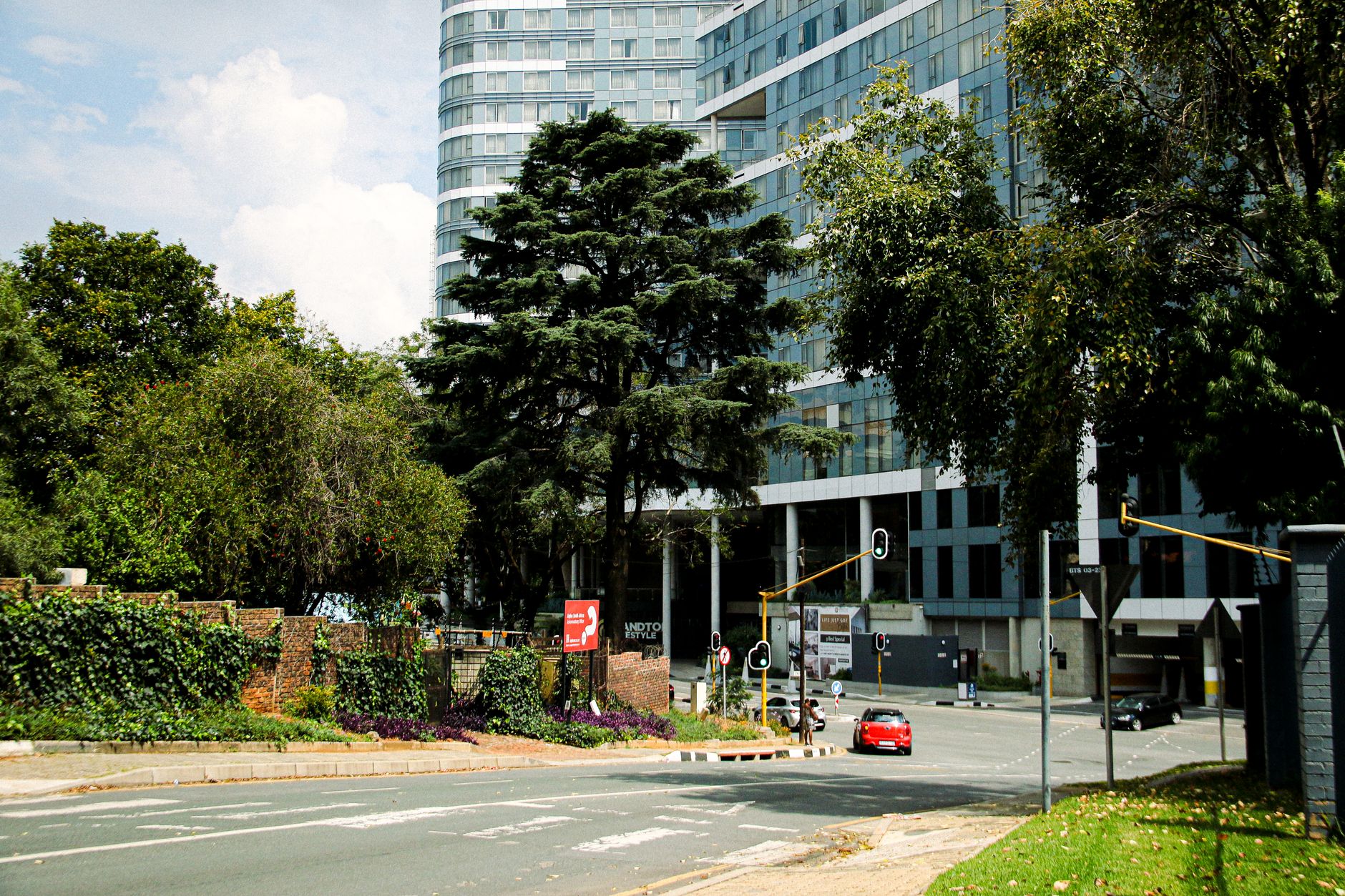
Walk through Sandton City or Rosebank and you'll notice the cranes, the new developments, the foreign accents in espresso bars. Investment capital is pouring into Johannesburg at levels not seen in years, and while the skyline gleams brighter, residents living in surrounding areas are grappling with a harder truth: their cost of living is climbing faster than their wages.
The paradox is real. Over the past 18 months, foreign direct investment into Johannesburg's financial and technology sectors has grown by approximately 23%, according to the Johannesburg Development Agency. Yet rental prices in accessible neighbourhoods like Braamfontein, Maboneng, and even Soweto have surged by 15-18% annually. A one-bedroom apartment that rented for R8,500 in 2024 now commands R10,000 or more.
So what's actually happening? International investors are buying commercial properties and funding tech startups in the CBD and northern suburbs, which drives employment and tax revenue—undeniably good for the city's economic health. But that same investment triggers gentrification ripples that touch grocery bills, transport costs, and school fees across greater Johannesburg.
Consider the Fourways-Midrand corridor. As logistics hubs and corporate campuses expand there, land values have tripled in five years. Landlords respond by raising rents. Retailers follow, pushing up retail prices. A basket of groceries at Pick n Pay in Fourways costs approximately 12% more than at locations further south. For a family earning a middle-income salary—roughly R25,000 to R40,000 monthly—that creep matters enormously.
What should everyday residents understand? First, investment flows create real jobs, but not always for everyone. Tech sector boom hiring requires specific qualifications many locals lack. Second, benefiting from economic growth requires financial literacy that schools don't always teach. Opening a tax-free savings account, understanding bond interest rates, or investing modest amounts in unit trusts can help ordinary people ride the wave rather than be swept aside by it.
The Johannesburg Stock Exchange's retail investor segment has grown, but participation remains concentrated among wealthier demographics. Financial advisors in the northern suburbs report increasing demand for wealth management, yet residents in Soweto, Alexandra, and Ekurhuleni struggle to access basic financial planning services.
The takeaway: Johannesburg is genuinely booming. But that boom is geography-dependent and skill-dependent. Understanding where investment is flowing, learning basic financial tools, and asking hard questions about how economic growth reaches your neighbourhood isn't cynicism—it's self-defence in a rapidly reshaping city.
This article was compiled by AI from the sources linked above and screened before publishing. See our editorial standards.